

Cabernet Franc: Earthy Chinon Pours, Structured Saumur Reds and Bold Single-Vineyard Expressions from the Loire Valley and Beyond
89 products
89 products


Great wine deserves a great journey. From selection to your doorstep, we obsess over the details that matter because a bottle is only as good as how it's treated before you open it.

Tasted and approved by experts who love wine. Not a wall of labels. Just a selection built around styles, pairings, and the moments you actually buy wine for.

We handle bottles gently and keep them stored carefully. Simple goal: keep your wine in great shape until delivery day.

Your bottles are protected for transit, and you can follow the shipment end to end, with responsive support if you need anything.
Author

Founder & Curator
Wine entrepreneur with 25+ years of global industry experience.
This Buyer's Guide is curated by MR.D Wine based on decades of tasting, sourcing, and importing experience across leading wine regions. Content reflects verified standards for labeling, alcohol levels, and serving practices.
Information checked against official resources from U.S. Alcohol and Tobacco Tax and Trade Bureau (TTB);Wine Institute (USA);International Organisation of Vine and Wine (OIV)

|
Feature |
Details |
|---|---|
|
Grape |
Cabernet Franc (often shortened to Cab Franc) |
|
Pronunciation |
KAB-er-nay FRAHNK (the "c" in Franc is silent) |
|
Also known as |
Bouchet, Bouchy, Breton (Loire Valley), Bordo (northeast Italy) |
|
Primary style |
Dry red, medium-bodied; also rosé and ice wine in select regions |
|
Body |
Medium (lighter than Cabernet Sauvignon, slightly fuller than Pinot Noir) |
|
Acidity |
Medium-High |
|
Tannins |
Medium, smooth rather than grippy |
|
Sweetness |
Dry (exception: Canadian ice wine) |
|
Key flavors |
Raspberry, red currant, sour cherry; bell pepper, fresh herbs; violet, tobacco; dark cherry and plum in warmer climates |
|
Aging tiers |
Loire Valley AOC system; Bordeaux Right Bank classification; no formal classification in New World regions |
|
Serving temperature |
60-65°F (reds); 50-55°F (rosé) |
|
Glass type |
Standard red wine glass or Bordeaux glass |
|
Decanting |
Lighter Loire styles straight from the bottle; fuller Bordeaux or Napa styles benefit from 30 minutes |
|
Aging potential |
Everyday 2-5 years; quality Loire and Right Bank 5-15 years; top Saint-Emilion 20+ years |
|
Classic pairings |
Roasted pork loin, lamb gyros, Loire Valley goat cheese, tomato-based pasta, grilled vegetables |
|
Top regions |
Loire Valley, Bordeaux Right Bank, California, Argentina (Mendoza), Italy, Virginia, Finger Lakes, Washington |
Cabernet Franc is a red grape variety originally from southwest France that produces medium-bodied dry red wines with bright red fruit, fresh herbs and a distinctive peppery character. It is the genetic parent of both Cabernet Sauvignon (crossed with Sauvignon Blanc) and Merlot (crossed with Magdeleine Noire des Charentes), making it one of the most historically important grapes in the world. Most famous as a single-varietal wine in the Loire Valley appellations of Chinon and Bourgueil, and as the aromatic lift inside Bordeaux Right Bank blends.
The grape's origins trace to the Basque country and the Libournais region of southwest France. By the 1600s it was established in the Loire Valley, where it became known as "Breton" after the abbot who planted it at Bourgueil Abbey under Cardinal Richelieu's patronage. That Loire identity has lasted four centuries, and the best Chinon and Bourgueil wines today are still made the way they were made then: light extraction, minimal oak, fruit and herb forward.
Cabernet Franc spread to Bordeaux in the 18th century and became a key blending grape on the Right Bank, where it adds aromatic lift and acidity to Merlot's plush dark fruit. The grape's most consequential moment came in 1997, when DNA analysis at the UC Davis Department of Viticulture and Enology confirmed Cabernet Franc as the parent of both Cabernet Sauvignon and Merlot, and as one of the parents of Carmenere. The grape is now expanding as a single-varietal focus across Argentina, Virginia, the Finger Lakes and the natural wine circles of the Loire.
The herbaceous character of Cabernet Franc is deeply tied to its terroir. In regions like Chinon, the wild oregano, thyme, and chalky tufa soils directly translate into the aromatic register of the finished wine, defining its sense of place.
Cabernet Franc is a thin-skinned black grape, which is why the wines run lighter in color and lower in tannin than Cabernet Sauvignon. It ripens one to two weeks earlier than Cabernet Sauvignon, which is the technical reason it works in regions with shorter growing seasons like the Loire's marginal climate, the Finger Lakes, and Virginia. The grape is also more cold-hardy and tolerates more moisture, with smaller, looser clusters than its more famous offspring.
The signature herbal note comes from a chemical compound called methoxypyrazine, specifically IBMP, the same compound that gives Sauvignon Blanc its grassy edge. Sun exposure in the canopy reduces it; cooler vintages and underripe fruit increase it. That single fact explains most of the climate-driven differences in how Cabernet Franc tastes from one region to the next.
Cabernet Franc tastes like raspberry, red currant and sour cherry up front, with bell pepper, violet and fresh herbs (oregano, thyme, sage) developing on the palate. Cool-climate versions push the tart red fruit and green pepper notes forward; warm-climate versions show riper black cherry, plum and softer herbal edges. It is medium-bodied, dry and built around medium-high acidity rather than power, which makes it highly versatile at the dinner table.
Primary fruit aromas range from raspberry, red currant and strawberry in cooler sites to black cherry, blackberry and plum in warmer ones. Secondary aromas include bell pepper in green and roasted-red registers, fresh herbs, violet and pencil shavings. With age, the wine develops tobacco, leather, dried herbs, cedar, graphite and a savory forest-floor note.
The bell-pepper aroma is the most identifiable Cabernet Franc signature and serves as a natural culinary bridge. In a balanced wine, this compound reads as savory complexity, not vegetal greenness. Aged Chinons pair exceptionally well with morel mushrooms and lamb, where the bell-pepper note directly connects the wine to the savory elements of the dish.
The single most useful structural concept for understanding Cabernet Franc is the cool-climate versus warm-climate split. Cool-climate wines (Loire Valley, Finger Lakes, parts of Virginia, parts of Friuli) lean lighter in body, brighter in acidity, with tart red fruit, pronounced green pepper and leafy herbs, and a wet-gravel minerality. Warm-climate wines (California, Argentina, Bordeaux Right Bank in good years, Tuscan Maremma) push toward riper dark fruit, smoother tannins, vanilla and spice from oak, and softer herbal notes that read more dried than fresh.
Body is medium, lighter than Cabernet Sauvignon and slightly fuller than Pinot Noir. The wine feels bright and energetic in the glass, not heavy. Acidity is medium-high, which is the technical reason Cabernet Franc is one of the most food-friendly red wines in the world. Tannins are medium and silky rather than grippy. The standard dry expression has no residual sugar; the only sweet exception is Canadian ice wine from the Niagara Peninsula.
Cabernet Franc is built on two pillars in the cellar: a vineyard practice that controls how much green-pepper character ends up in the fruit, and a winemaking philosophy that ranges from minimal-intervention Loire stainless steel to fully oaked Bordeaux and Napa expressions.
Cabernet Franc ripens one to two weeks ahead of Cabernet Sauvignon, which is its single biggest advantage in cool and marginal climates. It thrives on limestone, chalk and clay; the Loire Valley's tufa limestone is the textbook substrate, providing a wet-stone signature in good Chinon. Canopy management is critical because more sun on the fruit reduces methoxypyrazines, which is why warmer-site Cabernet Franc tastes less green than cool-climate versions made the same way. Many producers also pick at lower Brix than Cabernet Sauvignon, which keeps alcohol levels in check and preserves the wine's lift.
Loire Valley winemakers favor stainless steel or concrete with little or no new oak, prioritizing fruit purity and freshness. Bordeaux producers age in French oak for 12 to 18 months and blend Cabernet Franc with Merlot and sometimes Cabernet Sauvignon. New World producers in California and Argentina use more oak, often new French barrels, for a fuller-bodied style that competes with Cabernet Sauvignon on weight. Cabernet Franc has also become one of the most popular grapes in natural wine circles, especially for pétillant naturel sparkling reds and unfined, unfiltered rosé.
The winemaking style changes the wine more than the vintage does. A Loire Chinon raised in concrete will taste completely different from a Napa Cabernet Franc aged in new French oak, even though both are 100% Cabernet Franc. Knowing this helps you select the right bottle for the occasion. The early-ripening profile is also why this grape is the smart bet for emerging cool-climate US regions like the Finger Lakes and Virginia.
Cabernet Franc rewards regional exploration more than almost any other red grape. The same vine planted in the Loire Valley, on the Bordeaux Right Bank, and in Napa produces three distinctly different wines. Below are the regions that matter for a US buyer.
The Loire Valley is the global benchmark for single-varietal Cabernet Franc. Regulated and promoted by regional bodies like Vins de Val de Loire, wines from Chinon, Bourgueil and Saumur-Champigny are light to medium-bodied, aromatic and herbal, built on tufa limestone soils that show up in the glass as wet-stone minerality. Chinon tends toward roasted red pepper, raspberry and wet gravel. Bourgueil leans slightly more structured and savory, with darker fruit. Saumur-Champigny runs lighter and more floral.
The Loire is also where Cabernet Franc has become the natural-wine movement's flagship red. Pétillant naturel (pet-nat) Cabernet Franc, made with a single fermentation that finishes in the bottle, has grown into a highly sought-after sparkling red style in recent years.
Quality bottlings start around $15 and rarely climb past $35 outside of single-vineyard estate releases. You can browse our Loire Valley collection, or look across all our French wines for context.
On the Bordeaux Right Bank, Cabernet Franc plays a different role: it is the aromatic backbone inside Merlot-led blends, contributing acidity, lift and spicy aromatic complexity that Merlot alone cannot produce. Most Saint-Emilion and Pomerol wines are 30 to 70% Cabernet Franc by composition. When tasting the individual components of a Right Bank blend, the Merlot provides plush dark fruit, while the Cabernet Franc contributes structural lift and aromatic spice. The resulting wines run richer than Loire bottlings: more dark fruit, more oak, fuller body, and longer aging potential.
Entry-level Right Bank Bordeaux starts in the $20-$40 range, and classified Saint-Emilion can climb significantly higher. Shop Bordeaux wines to find the right entry point.
California Cabernet Franc tilts fuller-bodied, fruit-forward and oak-influenced compared to the Loire. Napa Valley produces polished examples with ripe black cherry, plum, chocolate and vanilla from new oak; Paso Robles makes warmer, jammier versions; Sonoma sits between the two. A single-vineyard Napa Cabernet Franc often displays such distinct ripeness and oak influence that it contrasts sharply with the leaner profile of a Chinon. Sierra Foothills is where the value lives for a New World expression without Napa pricing. Browse California wines for the full picture.
Argentine Cabernet Franc is the value sleeper in this category. Supported by agricultural initiatives from Wines of Argentina, Mendoza's high-altitude vineyards produce lighter and more fragrant wines than buyers expect from the country, with bright red fruit and floral notes. High-altitude sites in the Uco Valley produce wines with notably more aromatic lift and red fruit character compared to bottlings from the warmer valley floor. Producers like Tomero Cabernet Franc showcase exactly what the high-elevation Mendoza terroir can achieve with this varietal.
Neighboring countries are also seeing success with the grape; for example, Uruguay is gaining international recognition for structured, oceanic-influenced expressions such as Alto de la Ballena Cabernet Franc.
You can browse our Argentine wines to see what is currently available.
Italy makes two completely different styles. In the northeast, Friuli Venezia Giulia produces single-varietal bottlings that lean herbaceous, spicy and lighter, with the green pepper note dialed up close to Loire intensity. In Tuscany, especially in Bolgheri and the Maremma, Cabernet Franc plays a supporting role in Super Tuscan blends, adding finesse and aromatic lift to Sangiovese, Cabernet Sauvignon and Merlot. Shop Friuli wines for the single-varietal style, or browse our Tuscan collection for the Super Tuscan side.
The two emerging cool-climate US regions for Cabernet Franc are Virginia and New York's Finger Lakes. Both regions produce bright, food-friendly bottlings with red fruit and herbal lift; Virginia tends slightly riper and rounder than the Finger Lakes thanks to a longer growing season. Washington's Columbia Valley is a third US region worth knowing, where the style runs fruit-forward, closer to California than to the cooler East Coast regions.
Choose Cabernet Franc by matching price tier to occasion. Under $20 buys clean, fresh, food-friendly bottles for everyday dinners. $20 to $50 buys named-estate Loire Valley bottlings, entry-level Right Bank Bordeaux and quality California single-varietals. $50 and up buys top Right Bank Saint-Emilion, prestigious Napa Cabernet Franc and age-worthy Loire from legendary producers.
At this price you get bright, fresh, unoaked or lightly oaked reds that drink well young and pair with weeknight food. The best regions at this price are the Loire Valley (entry-level Chinon and Saumur-Champigny), Argentina and Chile. This is the right tier for a Tuesday pasta dinner, summer grilling, or your first time with the grape.
This is where Cabernet Franc gets genuinely interesting. You move into single-vineyard Chinon and Bourgueil from named estates, entry-level Saint-Emilion and Pomerol, quality California single-varietals from Napa and Sonoma, and the better Argentine and Friuli bottlings. This is the right tier for a dinner party with herb-forward food or an intentional exploration of regional differences.
The top tier is where Cabernet Franc competes with the world's best reds on quality. You find top Right Bank Bordeaux with classified Saint-Emilion and Pomerol pricing, rare Cabernet Franc-dominant flagships like Chateau Cheval Blanc, prestige Napa single-vineyard bottlings, and age-worthy Loire releases. These are wines built for cellaring 10 to 20 years or more.
Cabernet Franc is one of the most food-friendly red wines you can buy. The combination of medium body, medium-high acidity and herbal aromatics means the wine cuts through richness without overwhelming lighter dishes. The single rule worth following is that this grape rewards real herbs in the cooking. If your dish has thyme, rosemary, oregano, sage or bay leaf, Cabernet Franc is almost always the right pour.
Red meat: Herb-crusted roasted pork loin with rosemary and thyme, lamb gyros with tzatziki, beef burgers with caramelized onions and aged cheddar. Pair with a Bourgueil or step-up Right Bank Bordeaux at 60-65°F.
Poultry: Roast chicken with sage and root vegetables, turkey with cranberry sauce, chicken tomato curry. The medium tannins handle the protein without flattening it.
Vegetarian: Grilled red bell peppers and eggplant, mushroom and lentil stew, spinach and ricotta-stuffed quiche, tomato-based pasta. The bell pepper note in the wine and the bell pepper or tomato in the food reinforce each other.
Cheese: Loire Valley goat cheese (chevre) is the textbook regional pairing. Also Feta, Camembert, Fontina and aged Gouda.
International dishes: Margherita pizza, Middle Eastern kebabs with herbs and yogurt sauces, herb-forward tandoori chicken. The acid handles tomato better than most reds.
What to skip: Very heavy, fatty cuts with no acidity to balance them, where Cabernet Franc's lighter body gets overwhelmed. Extremely spicy dishes, where the heat clashes with the herbal character. For both, reach for a Cabernet Sauvignon or a Syrah instead.
Reds at 60-65°F, slightly cooler than typical American room temperature. Loire Valley styles drink especially well with a 15-minute chill in the fridge if your room is warm. Rosés at 50-55°F. Use a standard red wine glass or a Bordeaux glass; the larger bowl helps the aromatic complexity unfold without flattening the freshness.
Lighter Loire styles can be served straight from the bottle with no decanting. Fuller-bodied Bordeaux Right Bank and Napa Cabernet Franc benefit from 30 minutes in a decanter to soften the tannins and let the oak integrate. After opening, drink within two to three days, re-corked and stored upright in a cool dark place.
Our Cabernet Franc selection is defined by strict provenance and a curation process that highlights the grape as a primary focus, rather than just a blending component.
Cabernet Franc, especially Loire Valley Chinon and Bourgueil, is a grape that rewards careful handling and punishes neglect. The bright fruit and delicate aromatic herbs that define the Loire style start fading the moment a bottle sits in a hot warehouse. Our temperature-controlled storage is built around protecting exactly this: the freshness, lift and aromatic precision that make Cabernet Franc worth opening in the first place.
The Mr D Wine Cabernet Franc collection is built around producers who treat the grape as the main event. That means a deliberate emphasis on Loire Valley estates working in Chinon, Bourgueil and Saumur-Champigny, alongside Right Bank Bordeaux properties where Cabernet Franc carries real weight in the blend, and a smaller selection of New World single-varietal bottlings from California, Argentina and Italy. Cabernet Franc as a category remains undervalued compared to wines of equivalent quality from other classic varieties, making it highly rewarding for serious buyers.
Cabernet Franc is the parent of Cabernet Sauvignon. The two grapes share genetics, but the wines they produce are different in body, tannin, flavor profile and food behavior. The short version: Cabernet Franc is lighter, more aromatic and more food-flexible; Cabernet Sauvignon is fuller, more tannic and built for richer dishes and longer cellaring.
Choose Cabernet Franc when you want elegance, fresh herbs and a wine that complements food with high acidity. Choose Cabernet Sauvignon when you want power, dark fruit and a wine built to age. You can shop our Cabernet Sauvignon collection if the bigger style is what you are after.
Cabernet Franc wine is a medium-bodied dry red wine made from a black grape variety originally from southwest France. The grape is the genetic parent of both Cabernet Sauvignon and Merlot, and it produces wines with bright red fruit, fresh herbs, bell pepper, violet and a savory edge. It is most famous as a single-varietal wine in the Loire Valley appellations of Chinon, Bourgueil and Saumur-Champigny, and as a key blending grape on the Bordeaux Right Bank in Saint-Emilion and Pomerol.
Cabernet Franc tastes like raspberry, red currant and sour cherry up front, with bell pepper, fresh herbs (oregano, thyme, sage), violet and tobacco developing on the palate. Cool-climate versions from the Loire Valley and the Finger Lakes lean lighter, herbier and more mineral; warm-climate versions from California, Argentina and the Bordeaux Right Bank push toward riper dark fruit, smoother tannins and more vanilla-spice notes from oak aging. The signature bell-pepper note is the grape's most identifiable feature.
Cabernet Franc is almost always dry. The standard still red wine has no residual sugar, with bright red fruit and herbal notes that can read as fruity but are not sweet. The one exception is Cabernet Franc ice wine made in Canada's Niagara Peninsula, where the grapes are harvested frozen and produce a sweet dessert wine.
Yes, Cabernet Franc is a red grape that produces red wine. It is also made into rosé, especially in the Loire Valley, where Cabernet Franc rosé is a popular summer style with bright red fruit and herbal lift. It is never made into white wine; the black skins are what give the still red and rosé wines their color.
Cabernet Franc is pronounced KAB-er-nay FRAHNK. The "c" at the end of "Franc" is silent.
Cabernet Franc pairs especially well with herb-crusted roasted pork loin, lamb gyros, Loire Valley goat cheese, tomato-based pasta, herb-forward grilled vegetables, Margherita pizza and herb-tandoori chicken. The medium body and medium-high acidity make it one of the most food-flexible red wines available, and the herbal aromatic profile means it shines with dishes that put real herbs (rosemary, thyme, sage, oregano) at the center of the flavor.
Cabernet Franc is lighter and more aromatic than Cabernet Sauvignon, with red fruit, fresh herbs and bell pepper notes; Cabernet Sauvignon is fuller-bodied with darker fruit, firmer tannins and more cedar and tobacco. Cabernet Franc is the parent grape (Cabernet Sauvignon was created by a natural cross of Cabernet Franc and Sauvignon Blanc in 17th-century Bordeaux). Cab Franc generally pairs with a broader range of food and offers better value at equivalent quality; Cabernet Sauvignon ages longer on average.
Cabernet Franc has higher acidity, more herbal and peppery notes and a lighter body; Merlot is softer, plushier and rounder with more plum, chocolate and ripe red fruit. Both are key Right Bank Bordeaux grapes and are often blended together in Saint-Emilion and Pomerol, where Cab Franc adds aromatic lift and structure to Merlot's plush body. Drink Cabernet Franc when you want energy and herbs; drink Merlot when you want richness and softness.
Cabernet Franc and Pinot Noir share several traits: medium body, bright acidity, red fruit character and food-flexibility. The differences are that Cabernet Franc has more herbal and peppery aromatics, slightly firmer tannins and a fuller mid-palate. If you love Pinot Noir, Loire Valley Cabernet Franc is a natural next step; the acid and freshness will feel familiar, and the herbal and floral aromatics give you something new to explore. You can compare directly by browsing our Pinot Noir collection alongside the Cabernet Franc selection.
Everyday Cabernet Franc is best within two to five years of the vintage. Quality Loire Valley Chinon and Bourgueil from named estates can age 5 to 15 years and develop tertiary leather, tobacco and forest-floor notes that justify the wait. Top Bordeaux Right Bank wines with significant Cabernet Franc content, especially Cabernet Franc-dominant Saint-Emilion like Chateau Cheval Blanc, can age 20 years or more. The indicators of age-worthiness are high acidity and structured tannins, both of which Cabernet Franc delivers when the producer is serious about the wine.
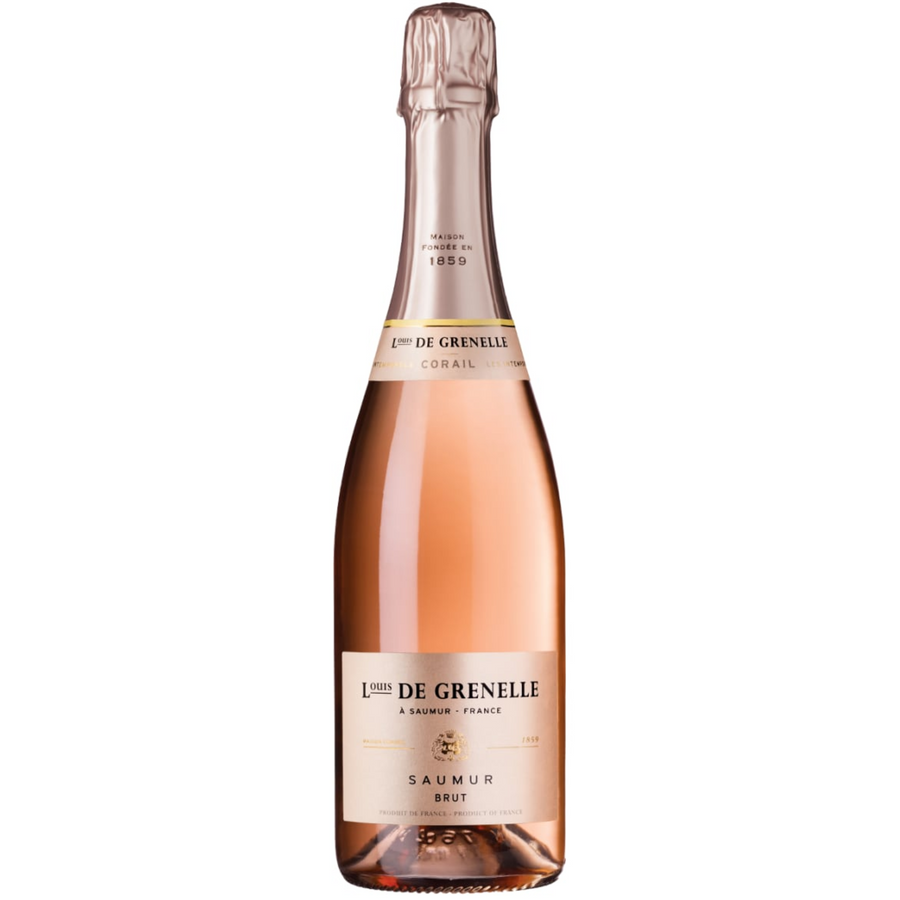

 Half Case (6)
 750ml
750ml

 Half Bottle



What Our Customers Say