

Best Merlot Wines Online: Shop, Taste & Compare the World’s Favorite Red
109 products
109 products


Great wine deserves a great journey. From selection to your doorstep, we obsess over the details that matter because a bottle is only as good as how it's treated before you open it.

Tasted and approved by experts who love wine. Not a wall of labels. Just a selection built around styles, pairings, and the moments you actually buy wine for.

We handle bottles gently and keep them stored carefully. Simple goal: keep your wine in great shape until delivery day.

Your bottles are protected for transit, and you can follow the shipment end to end, with responsive support if you need anything.
Author

Founder & Curator
Wine entrepreneur with 25+ years of global industry experience.
This Buyer's Guide is curated by MR.D Wine based on decades of tasting, sourcing, and importing experience across leading wine regions. Content reflects verified standards for labeling, alcohol levels, and serving practices.
Information checked against official resources from U.S. Alcohol and Tobacco Tax and Trade Bureau (TTB);Wine Institute (USA);International Organisation of Vine and Wine (OIV)

Not sure what red wine to buy? Try Merlot. It's one of those wines that doesn’t ask much of you, easy to sip, smooth on the tongue, and always a good match for food (or just a quiet night in).
Some bottles feel round and plush, others a bit more savory and structured. California’s got the juicy, bold style down; Bordeaux leans a bit earthier. Depends on what you're into.
Merlot is a dry red wine: ripe plum and cherry fruit, soft tannins and little to no residual sugar, which is why so many people call it the easiest red to love. Start with a classic Bordeaux Merlot wine from Saint-Émilion or Pomerol, or go richer with Napa and Sonoma Merlot.
We’ve laid out a few favorite picks, some pairing ideas, and tips to help you find the kind of Merlot you’ll actually enjoy, without needing a degree in wine-speak.
Want a quick, confident way to choose a bottle? Here are the top-moving picks our customers keep re-ordering: smooth, versatile reds you can open tonight or stash for a special dinner. If you’re browsing for the best Merlot wine, use this table to compare region, vintage, grape, and price at a glance.
|
Merlot Wines |
Region |
Grape |
Vintage |
Price |
|
Sonoma Valley, USA |
Merlot |
2021 |
$42.00 |
|
|
Napa Valley, USA |
Merlot |
2021 |
$119.99 |
|
|
Howell Mountain (Napa), USA |
Merlot |
2019 |
$115.00 |
|
|
Toscana IGT, Italy |
Merlot |
2020 |
$53.73 |
|
|
Friuli-Venezia Giulia, Italy |
Merlot |
2015 |
$45.00 |
|
|
Napa Valley, USA |
Merlot |
2022 |
$67.99 |
|
|
Dry Creek Valley, USA |
Merlot |
2022 |
$29.05 (offer) |
Prices and availability can change based on inventory and promos; the list above reflects the collection sorted by best selling at the time of writing. You can also browse the full category to spot additional deals and formats (single bottles, half-cases, full cases).
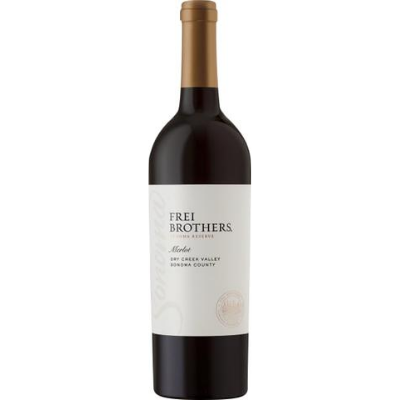
If you want a soft, weeknight-friendly pour, reach for juicy, red-fruited labels like Cannonball (California) or Frei Brothers (Dry Creek). They’re easy to pair with pasta, roast chicken, or pizza - an approachable merlot red wine style that stays bright and smooth.
Looking for layers, polish, and cellar potential? Napa standouts like Duckhorn Three Palms and La Jota bring darker fruit, refined oak, and length - bottles to savor now or hold for a special dinner. Italian icons such as Avignonesi “Desiderio” and Scarbolo “Campo del Viotto” add Old-World finesse with savory complexity.
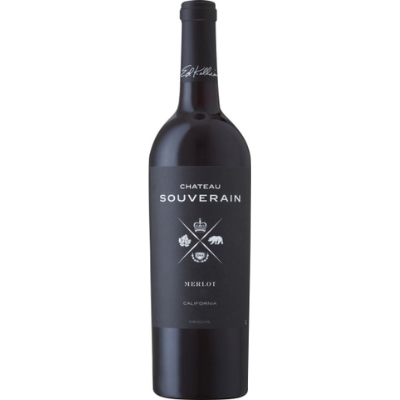
Keep an eye on the Merlot collection for fresh vintages (e.g., Cakebread 2022) and rotating offers on Sonoma/Napa favorites like St. Francis or Chateau Souverain - great chances to buy Merlot online at sharp pricing without sacrificing quality.
Tip: If you’re comparing bottles, glance at vintage (cooler vs. warmer years), appellation (e.g., Alexander Valley vs. Napa Valley), and your budget. For value hunters tracking merlot wine price, the $15–$35 tier (Cannonball, Chateau Souverain, Frei Brothers) is the sweet spot for smooth, fruit-forward styles.
Merlot is a plush, medium-bodied red made from the merlot grape, known for ripe plum and cherry flavors, soft tannins, and a cocoa-tinged finish that’s easy to love on its own or in blends. In Bordeaux, it’s a cornerstone variety; in places like Napa and Chile, it shines as a generous, fruit-forward varietal wine.
If you’re wondering where is merlot wine from, its spiritual home is Bordeaux, France, especially the Right Bank (Saint-Émilion and Pomerol), and from there it spread globally to California, Washington, Chile, Italy, and beyond. Today it ranks among the world’s most planted red grapes thanks to its adaptability and consistent, smooth style.
The merlot grape took root in Bordeaux, where it thrives on cooler, clay-rich soils, especially on the Right Bank (Saint-Émilion and Pomerol), and today it’s the region’s most widely planted variety thanks to its supple texture and earlier ripening. That Bordeaux foundation explains Merlot’s role in many iconic blends alongside Cabernet-family grapes. (see Right Bank Bordeaux Merlot for a quick primer)
From there, producers in California and Chile championed styles that highlight riper fruit, plusher body, and approachable tannin qualities that helped Merlot win over a broad audience and cement its global popularity.
Napa often shows darker cherry, cocoa, and generous oak; Chile leans vibrant fruit and outstanding value. If you’re asking where is merlot wine from, think Bordeaux as the historic home, with Napa and Chile among the most influential modern expressions.
Quick map of styles (helpful, not exhaustive):
Bordeaux (Right Bank): medium body, red/black plum, fresher acidity, moderate oak.
Napa/California: fuller body, black-cherry and cocoa tones, richer oak signatures.
Chile: vibrant fruit, smooth texture, strong value across key valleys.
In a nutshell, what is merlot stylistically? A medium- to full-bodied red with supple tannins, generous fruit (plum, cherry, blackberry), and a smooth finish - often described as “velvety.” Winemakers prize it for approachability and food-friendliness, whether bottled solo or blended.
Climate nudges the profile: cooler zones bring brighter acidity and red-fruit notes; warmer sites deliver riper fruit and more body. If you like sleek and lifted, go cooler; if you prefer lush and plush, go warmer.
Yes, is merlot a red wine? It is. Merlot is a dark-skinned (red) grape that produces red wines; occasionally you’ll see rosé or even “blanc de noirs” styles made by limiting skin contact, but the classic expression is undeniably red.
A quick visual cue: young Merlot often shows deep ruby color with a subtle brick/orange rim; it lightens to garnet as it ages. That’s normal pigmentation evolution in red wines.
Here’s the fast answer on merlot alcohol content: most bottles sit around 13–14.5% ABV, trending lower in cooler regions and higher in warmer climates where grapes reach greater ripeness. That ripeness also boosts body and softens the feel of tannins.
Tannin/texture decoder: Merlot generally brings medium tannins that feel “round” or “silky,” especially compared to Cabernet Sauvignon. In cooler years/places, you’ll notice firmer structure and brighter acidity; in warmer sites, expect plusher fruit and a fuller mid-palate.
Handy reference (typical ranges):
|
Aspect |
Typical Range / Note |
|
ABV |
~13–14.5% (cooler climates on the lower end; warmer on the higher end) |
|
Body |
Medium to medium-plus; fuller in warm regions |
|
Tannins |
Medium, soft/velvety; gentler than many Cabernet-dominant reds |
|
Acidity |
Medium; fresher in cooler climates |
Sommelier tip: If you enjoy a smooth, plush pour, lean toward warmer-climate labels; if you crave lift and food-pairing versatility, try Bordeaux Right Bank or other cooler sites.
Here’s the quick version: merlot wine starts in the vineyard with ripeness decisions (sugar, acid, tannin), then moves through fermentation where color and structure are extracted from skins, and finally rests in vessels like stainless steel, concrete, or oak to shape texture and flavor.
Winemakers manage yeast, temperature, oxygen, and time to keep fermentations healthy and achieve the style they want.
Style shifts with choices. Warmer fermentations extract deeper color and more tannin; cooler, shorter macerations yield a softer profile. Vessel matters too: stainless preserves fresh fruit; oak adds spice, toast, and roundness; time in bottle polishes aromas further.
That’s why merlot red wine from different regions can feel plush and cocoa-tinged or bright and red-fruited.
Common Vessels & What They Do (high-level guide):
|
Primary Vessel |
What it preserves/creates |
Typical impact on Merlot |
|
Stainless steel |
Neutral, temperature-controlled |
Emphasizes fresh fruit, crispness; minimal added texture. |
|
French/American oak barrels or chips |
Oak lactones, vanillin, spice; micro-oxygenation |
Adds vanilla/spice, rounds mouthfeel, integrates tannins with time. |
|
Concrete (tanks/eggs) |
Thermal stability, gentle oxygen ingress |
Maintains fruit purity with a subtle textural lift (neutral flavor). |
These choices explain why tasting a few styles side-by-side makes it easier to buy merlot online with confidence your preferred vessel and texture become a reliable compass.
Winemakers pick the merlot grape when sugars, acids, and seed ripeness align. During fermentation, warm temperatures (commonly ~70–89°F / 21–32°C for reds —learn more about red-wine fermentation temperatures) and cap management (pump-overs/punch-downs) control how much color and tannin dissolve from grape skins. Higher heat and longer skin contact increase intensity; cooler/shorter extractions make gentler styles.
Quick decoder: warmer ferments = deeper color/structure; cooler ferments = softer, juicier feel. Healthy fermentations depend on sanitation, nutrients, and monitoring (Brix, temp, oxygen).
After pressing, many producers age merlot wine in French or American oak to layer in spice/vanilla notes and gently soften tannins through slow oxygen exchange; fresh barrels contribute more flavor than neutral ones, and oak influence declines after several fills. Some cellars also use oak alternatives (staves/chips) in tanks to fine-tune aroma and texture.
Blending is another key tool, especially in Bordeaux where Merlot partners with Cabernet Franc/Cabernet Sauvignon for lift, structure, and complexity. The Right Bank (Saint-Émilion/Pomerol) is famously Merlot-based, with Cab Franc adding freshness - one reason those wines feel supple yet ageworthy.
Choices after fermentation shape merlot wine just as much as the vineyard, stainless steel preserves freshness, oak layers in spice and roundness, and climate steers the final weight and fruit profile.
Sommelier tip: Love lift and purity? Seek stainless or lightly oaked labels. Crave mocha, vanilla, and velvet? Choose French-oak-aged styles from warmer sites as an easy way to buy merlot online that matches your palate.
If you’re after the quick take on merlot taste, think ripe plum and cherry, a cocoa hint, and a round, supple texture that’s easier-going than many structured reds. Climate and winemaking nudge it brighter or plusher, but the core remains smooth and fruit-forward.
Here’s what most drinkers mean by merlot tasting notes: red-to-black fruit (plum, cherry, blackberry), gentle herbs, chocolate/cocoa, and often a touch of vanilla from oak. The finish is typically velvety rather than grippy, which is why Merlot works so well by the glass or with comfort foods.
Fruit: plum, cherry, blackberry; sometimes blueberry.
Savory/herbal: bay leaf, mint, subtle earth (common in Bordeaux).
Oak accents (when used): vanilla, mocha, mild toast.
Prefer a richer, dessert-adjacent vibe without actual sweetness? Look for generous oak and warmer sites that amplify merlot flavor toward darker fruit and mocha tones while staying technically dry.
A handy way to predict merlot characteristics is to map climate: cooler places (e.g., Bordeaux’s Right Bank) keep acidity brighter and fruit redder; warmer areas (e.g., parts of Napa) lean fuller, darker, and silkier.
|
Climate |
Fruit & Structure |
Typical Feel |
|
Cool (e.g., Right-Bank Bordeaux) |
red cherry/plum, herbal edges, fresher acidity |
sleeker frame, food-friendly lift |
|
Warm (e.g., Napa/California) |
black cherry/plum, cocoa/mocha, higher ABV |
plusher body, softer tannins |
The straight answer to is merlot sweet or dry: it’s usually made dry (little to no residual sugar). Fruitiness can feel “sweet,” but chemically the wine is dry—especially in classic styles.
Perception can still vary. Alcohol, ripe fruit, and oak can read as sweetness even when sugars are near zero; that’s why label ABV and region are helpful cues when you’re shopping.
Compared with Cabernet Sauvignon, Merlot’s tannins are typically rounder and less astringent, creating that signature silky end-note and approachable texture hallmark merlot characteristics confirmed across expert guides.
Sommelier tip: Prefer lift and red fruit? Seek cooler-climate Right-Bank styles; love darker fruit and mocha? Try warmer-climate Napa bottlings with some oak, both deliver classic merlot tasting notes while staying dry.
Shopping by region is the fastest way to match a bottle to your palate: French Merlot tends to be sleeker and more mineral-driven, California shows darker fruit and oak spice, Washington balances ripe flavors with brightness, while Chile and Argentina deliver generous fruit at standout values.
These patterns come from climate and soil differences that shape Merlot’s structure and flavor.
|
Region |
Fruit Profile |
Structure & Oak |
What to Expect |
|
Bordeaux (Right Bank) |
red/black plum, subtle herb |
medium body, refined tannins, measured oak |
elegant, food-friendly, ageworthy blends. |
|
Napa/Sonoma |
black cherry/plum, cocoa/mocha |
fuller body, noticeable oak spice |
plush texture, crowd-pleasing richness. |
|
Washington State |
ripe dark fruit with lift |
balanced body, lively acidity |
“richness and brightness” in tandem. |
|
Chile & Argentina |
juicy plum/berry, vibrant |
medium body, moderate oak |
strong value, approachable style. |
|
Friuli & Veneto (Italy) |
red cherry/plum, savory notes |
lighter oak or stainless |
fresh, food-friendly reds. |
If you gravitate to classic elegance, French Merlot from Bordeaux’s Right Bank (Saint-Émilion, Pomerol) leads with red/black plum, polished tannins, and restraint often in blends with Cabernet Franc. Clay-limestone soils and a Merlot-dominant approach give these wines their supple, ageworthy profile. Browse our Bordeaux red wine collection for more Right Bank bottles.
Sommelier cue: Look to Right-Bank appellations for finesse and food pairing versatility; these wines typically show freshness over sheer power, a hallmark of the region’s Merlot style.
For richness and a velvet feel, California Merlot (especially Napa and Sonoma) delivers darker cherry/plum, cocoa or mocha edges, and a rounder palate shaped by thoughtful oak aging. Warmer sunshine and cellar choices (barrel time, toast levels) contribute to the plush, crowd-pleasing style.
Tip: If you enjoy a bigger frame with spice and vanilla accents, many Napa/Sonoma bottlings will hit the spot—compare a few producers to dial in your preferred oak signature.
Looking for ripe fruit with lift? Washington Merlot is known for combining generous cherry/plum flavors with fresh acidity and polished structure, thanks to sunny days, cool nights, and high-desert AVAs like Columbia Valley (Columbia Valley AVA overview), Yakima, and Red Mountain. Expect purity of fruit, vivid color, and approachable tannins that keep the wine lively at the table.
Hunting value without losing character? Chile Merlot and Argentina Merlot tend to be juicy, approachable, and well-priced, making them smart weeknight choices. In Chile, note the history of Carménère once being confused with Merlot; today, labeling is clearer, and you’ll find vibrant, fruit-forward Merlot across key valleys. In Argentina, expect smooth, plush profiles alongside the country’s famed reds.
Shopping cue: Use region and producer as guides, look for straightforward, fruit-driven styles when you want easy pairing and price-to-pleasure wins.
Craving purity and versatility? Italian Merlot from Friuli and Veneto often leans toward red-cherry fruit, moderate alcohol, and a savory edge, with many bottlings aged in stainless or neutral oak for clarity—while Veneto also crafts Bordeaux-style reds (Merlot/Cabernet) with a little extra spice and structure.
Here’s the quick path to the best merlot wine: match style to occasion (weeknight vs. special bottle), pick a climate/region you like (cool = fresher, warm = plusher), and skim producer notes for oak use and ABV. When in doubt, compare one California, one Bordeaux-inspired, and one value pick side by side to lock in your preferences.
A good merlot wine looks deep ruby (garnet with age), smells of ripe plum/cherry with possible cocoa or gentle herb, and finishes with smooth tannins that should feel round, not harsh. Check for balance: fruit, acidity, and tannin in harmony usually signal quality.
Fast checklist: bright fruit (not jammy), clean aromas (no vinegar/mousy notes), integrated oak, and a finish that lingers without bitterness.
Want a shortlist of best merlot wine brands available now at Mr D Wine? Start here and branch out as you refine your taste.
If you’re hunting a wallet-friendly bottle, this is where popular merlot shines fruit-forward, smooth, and weeknight-ready.
|
Wine |
Region |
Vintage |
Typical Price |
|
California, USA |
2021 |
~$16.10 |
|
|
Balduzzi Reserva Merlot |
Maule Valley, Chile |
2019 |
~$10.70 |
|
Humberto Canale Estate Merlot |
Río Negro, Argentina |
2020 |
~$15.46 |
Prices and availability may change with promos/stock, but these labels are reliable value plays at Mr D Wine.
For cellars and gifting, look for top-reviewed bottles from best merlot wine brands with a track record of critical acclaim and aging potential, think Duckhorn’s iconic Three Palms (multiple high scores across vintages) or mountain-grown standouts like La Jota. Current listings include Duckhorn Three Palms 2021 and La Jota Merlot 2019. Compare ABV, vineyard elevation, and oak regimen to tailor structure and longevity to your taste.
Sommelier tip: Build a trio value (Cannonball), mid-tier (Stags’ Leap or Frei Brothers), and collector (Duckhorn/La Jota) to dial in your style before you stock up.
If you’re scanning for quick merlot food pairing ideas, think savory comfort: roast chicken, herbed pork, steak, tomato-based pastas, and mushroom dishes. Merlot sits in the middle of the red spectrum (medium body, medium tannin), so it plays nicely with many weeknight favorites.
Serving matters as much as the dish. Aim for a sensible merlot serving temperature slightly below “room”, about 60–65°F (15–18°C,) so aromas shine without the alcohol feeling hot. A brief decant (≈30 minutes) helps most Merlot open up.
Pour Merlot just cool of room temperature (roughly 60–65°F) in a generous red-wine glass; this keeps fruit vivid and texture smooth. For young or more structured bottles, a short decant (around 30–60 minutes) softens edges and lifts the nose.
If summer heat creeps in and you’re wondering should merlot be chilled, give the bottle a brief 10–20 minute fridge rest to nudge it back into the ideal zone, too warm tastes flat and “alcoholic,” while a light chill sharpens fruit.
For a fast answer to what pairs with merlot, match intensity: leaner cuts (flank, sirloin) and roast chicken love Merlot’s medium body, while mushroom risotto and tomato-sauced pasta echo its savory, cocoa-tinged profile. Cooler-climate Merlot is great with roasted veggies (even tomatoes), thanks to its brighter acidity.
Smooth tannins and ripe fruit are key merlot characteristics that welcome semi-soft, creamy cheeses (think mild cow’s-milk styles) and cocoa-leaning desserts; the goal is harmony, not a tannin–salt clash. Keep chocolate in the dark-to-milk range and avoid very sweet, sugary sauces so the wine still reads dry and balanced.
Short answer: yes - gently. For warm days or crowded rooms, should merlot be chilled translates to “give it a light chill,” targeting ~60–62°F (≈15–17°C). Ten to twenty minutes in the fridge (or an ice bucket with a splash of water) is usually enough; you’re correcting temperature, not turning it into a cold wine. If it drops too low, let the glass warm in hand.
Sommelier tip: If a sip feels hot or boozy, it’s too warm - chill briefly and try again. If flavors seem muted, let the glass warm a couple of minutes and swirl. Either tweak is faster than opening a second bottle.
Here’s the fast way to frame merlot characteristics against other classics: Merlot usually shows medium body, plush fruit, and softer tannins; Cabernet Sauvignon is firmer and more structured; Malbec is darker and spicier; Pinot Noir is lighter with brighter acidity. Each style overlaps, but climate and winemaking push them apart.
If you’re weighing best merlot wine versus Cabernet, think texture first: Merlot tends to feel rounder and less astringent, while Cabernet skews more tannic and angular qualities that often make Cabernet feel “bigger” and more obviously cellar-worthy. Notably, well-made Merlot from top regions (e.g., Right-Bank Bordeaux) can age beautifully too.
Quick contrast (useful, not absolute):
|
Point of Difference |
Merlot |
Cabernet Sauvignon |
|
Tannins |
Medium, softer/rounder |
Medium-high to high, firmer grip |
|
Body |
Medium to medium-plus |
Medium-plus to full |
|
Fruit Profile |
Plum/cherry, cocoa/mocha |
Blackcurrant/black cherry, cedar |
|
Aging Outlook |
Can age well in top examples (e.g., Right Bank) |
Frequently aimed at long aging |
Sommelier cue: For a smooth, ready-sooner pour, reach Merlot; for structure and long horizons, pick Cabernet, then adjust by region and producer for nuance.
Choosing between Merlot and Malbec? Expect popular merlot to read smoother and more fruit-forward, while Malbec brings bolder color, darker fruit, and a spicier edge, especially in Argentina and high-sun sites. Both are dry styles, but Malbec typically feels more robust on the palate.
Fast read:
Tip: If you want smooth, weeknight ease, try Merlot; if you crave darker fruit and a little swagger, go Malbec.
Against Pinot Noir, merlot flavor comes across richer and fuller, with darker fruit and plusher texture; Pinot sits lighter, with lower tannins and brighter acidity that makes it feel sleeker and more transparent. Aging is possible for both, but Pinot’s charm often lies in nuance and lift.
Snapshot table:
|
Trait |
Merlot |
Pinot Noir |
|
Body |
Medium → medium-plus |
Light → medium |
|
Acidity |
Moderate |
Higher/bright |
|
Tannins |
Medium, soft |
Low → medium-low |
|
Flavor Tones |
Plum/cherry, cocoa/mocha |
Red berries, floral/earth (mushroom) |
Shopping hint: If you love silk and freshness, Pinot sings; if you want a cushier mid-palate with darker tones, Merlot is your move.
If you’re scanning for a quick sense of merlot wine price, think of three main tiers: everyday (often under $15), smart value ($15–$30), and premium ($30–$60+). Each step up usually buys you better site selection, tighter winemaking, and more nuance in the glass.
When you’re ready to compare labels and buy merlot online, use the tiers below to jump straight to bottles that fit your budget then scan ABV and oak notes to match the style you like.
A snapshot of real bottles at Mr D Wine so you can benchmark red merlot wine price by tier.
|
Tier |
What you’ll typically get |
Example bottles (live pricing) |
|
Under $15 |
Juicy, weeknight-friendly, stainless or light oak |
Balduzzi Merlot 2022 – $9.35; Balduzzi Reserva Merlot 2019 – $10.70. |
|
$15–$30 |
Clear step up in balance and definition |
Cannonball Merlot 2021 – $16.10; Humberto Canale Estate 2020 – $15.46; |
|
$30–$60+ |
Single-vineyard cues, serious oak, cellar-worthy picks |
Stags’ Leap 2019 – $35.00; Avignonesi “Desiderio” 2020 – $53.73; Cakebread 2022 – $67.99; |
If you’re hunting cheap merlot for pizza night or pasta, look for fruit-forward Chilean bottlings with modest oak: Balduzzi Merlot 2022 ($9.35) delivers lively red fruit, while Balduzzi Reserva 2019 ($10.70) adds a touch of French-oak polish without losing freshness.
Good signs at this tier: simple, clean aromas; moderate alcohol; labels mentioning stainless steel or “fresh/juicy.” These bottles are built for easy sipping rather than long aging.
This band is a sweet spot when you want a dependable “house red” and still keep merlot wine price friendly. Cannonball 2021 ($16.10) is a crowd-pleaser; Humberto Canale Estate 2020 ($15.46) brings cool-climate lift; Chateau Souverain 2021 ($24.50) and Frei Brothers 2022 ($29.05) add Sonoma dimension and oak integration.
How to choose here: pick cooler sites for brightness (e.g., Patagonia/Argentina), warmer California AVAs for plushness, and watch discount badges on the collection page for extra value.
Stepping up unlocks deeper texture, finer oak, and better aging curves—ideal when you want to buy merlot online for a special dinner. Stags’ Leap 2019 ($35.00) is a polished Napa gateway; Avignonesi “Desiderio” 2020 ($53.73) shows Tuscan pedigree; Cakebread 2022 ($67.99) brings Napa richness; collectors reach for La Jota 2019 ($115.00) or Duckhorn Three Palms 2021 ($119.99).
Buying note: in this tier, scan for named vineyards, mountain sites (e.g., Howell Mountain), and critic notes referencing texture and length. Those cues often justify the premium.
As prices rise, you typically see lower yields, stricter fruit selection, and costlier élevage (barrels, time). That translates to more layered aromas, a silkier mid-palate, and a longer finish, hallmarks you’ll notice even in blind tasting when comparing tiers of the same producer. Use the live examples above as a reference ladder when assessing merlot wine price versus what’s in the glass.
Sommelier tip: Build a mini-flight across tiers (e.g., Balduzzi → Cannonball → Stags’ Leap) to calibrate your palate, then stock up in the range that hits your preferred fruit/texture/price balance.
When you want to buy merlot online with confidence, Mr D Wine makes it simple: a sommelier-curated catalog, careful storage and packing, and clear, customer-first policies from checkout to delivery. That combination means your bottle arrives in peak condition and backed by real people you can reach.
We handpick producers and vintages rather than listing everything under the sun—think relationship-driven sourcing, tasting before we list, and a focus on quality-to-price standouts and benchmark houses. That’s how we surface best merlot wine brands you’ll actually want to drink, from value favorites to cellar-worthy names.
From cellar to doorstep, bottles are kept under temperature-minded protocols and packed for safe transit, with adult-signature delivery to protect your purchase. This is especially important for merlot red wine, where heat spikes can flatten fruit and mute finesse.
Policies are plain-English and easy to find—shipping timelines, returns windows, and international options are spelled out so there are no surprises on merlot wine price or delivery. And if you need help choosing, tracking, or gifting, our team is one click away at MR D Wine Support.
With curation, careful handling, and responsive support in place, you can focus on the fun part—exploring styles and finding your next Merlot favorite.
Typical merlot taste is ripe plum and cherry with a cocoa or mocha hint, medium body, and a smooth, velvety finish.
No. Most merlot wine is made dry, with little to no residual sugar. Ripe fruit and oak can make it taste sweet, but it is not a sweet wine.
Yes. Merlot is a dry red wine in almost every style, from Bordeaux to Napa. Its soft tannins and plush fruit make it feel smoother and rounder than drier-tasting reds like Cabernet Sauvignon.
The merlot grape makes medium to medium-full red wines with moderate acidity and tannins, prized for their approachable texture.
Typical merlot alcohol content falls around 13–14.5% ABV, trending higher in warmer regions and styles.
Historically, where is merlot wine from points to Bordeaux’s Right Bank (Saint-Émilion/Pomerol), from which it spread worldwide.
Classic merlot food pairing includes roast chicken, steak, tomato-based pasta, and mushroom dishes that match its mid-weight structure.
Yes—its soft tannins and round fruit make merlot red wine an easy, confidence-building starting point for new red-wine drinkers.
Absolutely; well-made bottles balance fruit, acidity, and supple tannins, hallmark merlot characteristics that suit many palates and meals.
Core merlot characteristics: medium body, medium tannins, moderate acidity, and flavors of plum/cherry with chocolate or dried-herb notes.
“Best” depends on style and budget; benchmark regions include Right-Bank Bordeaux and Napa. Compare a few to buy merlot online that fits your taste.
Documented in 18th-century Bordeaux, the merlot grape likely originated there and became central to Right-Bank blends.
Like other reds, merlot wine is fermented on skins for color and tannin, then aged in stainless or oak to shape texture and flavor.


 Bottle
 750ml
750ml




 Half Case (6)



What Our Customers Say