

Sardinian Wine: Crisp Vermentino Whites, Bold Cannonau Reds and Rare Carignano Blends from Italy's Island Terroir
21 products
21 products


Great wine deserves a great journey. From selection to your doorstep, we obsess over the details that matter because a bottle is only as good as how it's treated before you open it.

Tasted and approved by experts who love wine. Not a wall of labels. Just a selection built around styles, pairings, and the moments you actually buy wine for.

We handle bottles gently and keep them stored carefully. Simple goal: keep your wine in great shape until delivery day.

Your bottles are protected for transit, and you can follow the shipment end to end, with responsive support if you need anything.
Author

Founder & Curator
Wine entrepreneur with 25+ years of global industry experience.
This Buyer's Guide is curated by MR.D Wine based on decades of tasting, sourcing, and importing experience across leading wine regions. Content reflects verified standards for labeling, alcohol levels, and serving practices.
Information checked against official resources from U.S. Alcohol and Tobacco Tax and Trade Bureau (TTB);Wine Institute (USA);International Organisation of Vine and Wine (OIV)

|
Feature |
Details |
|---|---|
|
Region |
Sardinia (Sardegna), Italy |
|
Island position |
Second largest island in the Mediterranean, 150 miles west of mainland Italy |
|
Primary style |
Dry red (Cannonau-led) and dry white (Vermentino-led); also rosato, oxidative, and dessert styles |
|
Key red grapes |
Cannonau (Grenache), Carignano (Carignan), Monica, Bovale |
|
Key white grapes |
Vermentino, Nuragus, Torbato, Malvasia, Nasco, Semidano |
|
Body |
Reds: Medium to Full | Whites: Light to Medium |
|
Acidity |
Reds: Medium | Whites: Medium-High |
|
Tannins |
Medium for Cannonau, Medium-High for Carignano |
|
Sweetness |
Mostly dry; sweet examples in Moscato and Vernaccia di Oristano styles |
|
Key flavors |
Reds: ripe strawberry, raspberry, plum, Mediterranean herbs (rosemary, myrtle), white pepper, tobacco | Whites: lemon, green apple, almond, sea-breeze minerality |
|
Serving temperature |
Reds 60-65°F; Whites 45-50°F |
|
Glass type |
Standard red wine glass for Cannonau and Carignano; white wine glass for Vermentino |
|
Decanting |
Aged Cannonau Riserva benefits from 30-60 minutes; everyday Cannonau and Vermentino serve directly |
|
Aging potential |
Cannonau 3-8 years (Riserva 10+); Carignano 5-10 years; Vermentino best within 2-3 years |
|
Classic pairings |
Porceddu (Sardinian roast suckling pig), fregola con arselle (clam pasta), aged pecorino sardo, bottarga, malloreddus alla campidanese |
|
Key appellations |
Vermentino di Gallura DOCG (Sardinia's only DOCG), Cannonau di Sardegna DOC, Carignano del Sulcis DOC, Vernaccia di Oristano DOC, Vermentino di Sardegna DOC, Isola dei Nuraghi IGT |
Sardinian wine is produced on Sardinia (Sardegna), Italy's second largest island, located 150 miles west of the Italian mainland in the Mediterranean. The grapes that grow here bear little resemblance to those of mainland Italian regions: no Sangiovese, no Nebbiolo, no Trebbiano. Sardinia grows Cannonau (the local name for Grenache), Carignano (Carignan), Vermentino, and a deep bench of indigenous varieties rarely found anywhere else in the world. The island is best known for bold, fruity Cannonau reds and crisp, mineral Vermentino whites, both shaped by constant coastal winds and an old-vine vineyard culture that mainland Italy has largely lost.
Sardinian winemaking is older than most countries. Archaeological evidence has placed Cannonau grape seeds on the island around 1200 BC, which has prompted a serious academic argument that Sardinia, not Spain, is the original birthplace of Grenache and Garnacha. Phoenician traders are credited with introducing Vernaccia roughly three thousand years ago, around the time the Temple of Bacchus-era viticulture took hold across the Mediterranean. The island has been making wine continuously ever since.
The grapes Americans now associate with Sardinia mostly arrived during four centuries of Aragonese rule beginning in the 14th century. Spanish influence brought or popularized Cannonau, Carignano, Monica, and Bovale; the French connection through Corsica gave Vermentino its second life as Rolle in southern France and the Côte d'Azur. By the modern era, Sardinia had developed a strong cooperative tradition that filled US shelves with cheap bulk wine for most of the 20th century. Over the past two decades that has shifted decisively, and the island now holds 1 DOCG and 17 DOCs as the cooperative-to-estate transition continues across the region.
According to data from the Italian National Institute of Statistics (ISTAT), Sardinia ranks as Italy's 16th wine-producing region by volume, with annual production around 690,000 hectoliters and a near-even split between red (about 52 percent) and white (about 48 percent) wines. That is a small footprint by mainland Italian standards, which is part of why Sardinian wine remains under-explored in the US market relative to the depth of what the island produces.
The cultural detail most American buyers know first is that Sardinia is one of the world's five Blue Zones, regions documented for exceptionally long life expectancy. Cannonau is unusually high in polyphenols and antioxidants, which has made it a feature of the popular Blue Zone diet conversation. The wine is part of a way of eating, not a health supplement, and Sardinians have always treated it that way: a glass with lunch, another with dinner, food on the table the entire time.
Sardinia's wine geography is shaped by three forces: a Mediterranean climate of hot dry summers and mild winters, constant coastal winds (the mistral that arrives from the northwest is a defining presence in the northern half of the island), and a soil patchwork that changes dramatically over short distances. Granite dominates the Gallura region in the northeast and gives Vermentino di Gallura DOCG its mineral signature. Sandy soils in the Sulcis southwest are where ungrafted, pre-phylloxera Carignano vines still grow. Limestone runs through the Alghero northwest. Clay and mineral-rich interior soils carry the heart of Cannonau country.
In areas like the Mamoiada hills, old Cannonau vines are cultivated using the traditional alberello (bush-trained) system. These low-yielding, freestanding bushes lack trellising wires and are shaped to allow their leaves to shade the fruit from intense heat. With many plants exceeding a century in age, this method produces the concentrated, deeply flavored fruit that defines the region's best wines.
Sardinian wine tastes like the Mediterranean condensed into a glass. Reds (mostly Cannonau, with Carignano as the structured alternative) show ripe red fruit, garrigue herbs, warm spice and 13 to 15 percent alcohol; whites (mostly Vermentino) show lemon, green apple, almond and sea-breeze minerality. The unifying signature is the wind: aromatic lift in the whites, herbal complexity in the reds, neither of them tame.
Cannonau, the dominant Sardinian red wine, is full-bodied and round with ripe strawberry, raspberry, plum and cherry up front. Behind the fruit you get rosemary, thyme, the local myrtle bush, white pepper and a faint cinnamon note that cool-climate Grenache rarely produces. Tannins are medium and approachable; acidity is medium; alcohol commonly runs 13.5 to 15 percent. Aged Riserva versions develop chocolate, coffee, leather and dried herbs over five to ten years.
Carignano, especially Carignano del Sulcis from old ungrafted vines, runs a different track. The color is deeper, the tannins are firmer, the structure is more imposing. Notes of licorice, plum, marasca cherry and warm clove-cinnamon spice replace Cannonau's lighter strawberry register. Critics regularly compare top Carignano del Sulcis bottles to premium Châteauneuf-du-Pape at half the price.
Well-crafted Cannonau from old vines demonstrates a specific Mediterranean warmth-fruit character shaped by a full season of sun, supported by vibrant herbal notes, without feeling heavy on the palate. Monica di Sardegna, the third red worth knowing, is lighter and softer than either Cannonau or Carignano, with juicy red fruit and gentle tannins built for weeknight pasta rather than special occasions.
Vermentino is the headliner of Sardinian white wine. The basic Vermentino di Sardegna DOC, made island-wide, leans light and fresh, with green apple, lemon, white flowers and a clean almond bitterness on the finish that is the variety's calling card. The DOCG version from Gallura, made on granite soils in the northeast, is a different animal: more concentrated, more mineral, with sea-salt and Mediterranean macchia notes that read almost as a saline quality on the tongue.
Tasting the two side-by-side illustrates the impact of terroir: the Sardegna DOC provides bright, easy drinking, while the Gallura DOCG delivers texture, depth, and a long mineral finish driven by its granitic soils. Beyond Vermentino, Nuragus is the lighter, zesty alternative: a high-volume white from southern Sardinia that drinks as the perfect aperitif, all citrus and green apple with no oak in sight.
Beyond the two flagships, Sardinia produces a small number of wines that have no real equivalent elsewhere. Vernaccia di Oristano is an oxidative white aged for three to four years under flor in partially-filled casks, producing a nutty, dried-fruit, amber-colored wine with obvious parallels to Fino Sherry. Malvasia di Bosa runs off-dry to sweet, with apricot, rosewood and dried fig notes that work as the romantic sunset wine the island is famous for. Cannonau rosato (rosé) is fresh, fruity and dry, made in serious quantities and almost completely unknown outside Italy.
Sardinian wine is built on two pillars in the cellar: a vineyard culture rooted in old vines and bush training, and a winemaking philosophy that has shifted in two decades from cooperative bulk production to estate-bottled quality. The same grape, vinified by a serious estate versus a high-volume cooperative, produces wines that share family resemblance but live in different price tiers.
The Mediterranean climate gives Sardinian vineyards a long, hot growing season tempered by constant sea winds. Bush-trained alberello vines remain the dominant training system for old plantings, especially Cannonau and Carignano. The sandy soils of Sulcis are unique in European viticulture because phylloxera never reached them, which means some Carignano vines there are still ungrafted, growing on their own roots, with some plantings over a hundred years old. Yields are low by mainland Italian standards, which produces concentrated fruit even at entry-level prices, and the organic and sustainable movement has grown faster on Sardinia than in most of Italy.
Cannonau is made two ways. The lighter, fresher style ferments in stainless steel and bottles young, prioritizing fruit purity. The Riserva style ages for at least 24 months with a minimum of 12 in barrel, usually French oak (new for top estates, used for value-tier wines), producing a fuller, more structured wine. Vermentino is almost always made in stainless steel only, with the focus squarely on freshness; a small group of producers experiment with concrete and amphora for textural complexity but the default style is unoaked. Vernaccia di Oristano follows a unique flor-aging process for three to four years that has more in common with Sherry than with mainstream Italian winemaking.
The combination of old vines, maritime climate and diverse soils means Sardinian wines punch well above their price point. A $15 to $20 Cannonau or Vermentino regularly competes with mainland Italian wines costing twice as much, and the gap widens as you move up the tiers. Sardinia's ungrafted Carignano vines in Sulcis are also among the rarest in Europe; almost every other major wine region is grafted onto American rootstock as a phylloxera defense, which means the unfiltered varietal expression of own-root old vines is something the island has more of than anywhere else outside Chile.
Sardinian wine is best understood grape by grape, since each major variety lives in a specific corner of the island. Cannonau is everywhere but reaches its peak in the central interior around Oliena and Mamoiada; Vermentino is at its best on the granite of Gallura in the northeast; Carignano is anchored in the sandy Sulcis southwest; and a deep bench of indigenous varieties fill in the corners. Below are the four grape stories that matter for a US buyer.
Cannonau wine is Sardinia's most planted grape, accounting for more than 30 percent of the island's vineyards, and is produced under the island-wide Cannonau di Sardegna DOC. Genetically, the variety is identical to Grenache in France and Garnacha in Spain. The recent archaeological evidence of 1200 BC grape seeds in Sardinia has reopened the question of where the variety actually originated, with a growing case that the island, not Iberia, may be the source. If you have enjoyed a Châteauneuf-du-Pape, a Priorat, or any serious Spanish Garnacha, Sardinian Cannonau wine is the natural next bottle to open. You can compare directly by browsing our Grenache wines alongside the Sardinian selection.
The best Cannonau sub-zones are in the central interior. Oliena and the historic Nepente di Oliena designation produce the most famous and structured expression of Cannonau di Sardegna; Jerzu, Mamoiada and Capo Ferrato each have their own profiles, with Mamoiada in particular drawing critical attention for old-vine bottlings from a new generation of small producers. Riserva versions, requiring two years of aging with at least twelve months in barrel, are where the grape's serious side comes out. Quality Cannonau di Sardegna wine runs $15 to $30 for everyday bottles, $30 to $60 for serious Riserva, and well past that for benchmark old-vine Oliena from named estates.
When tasted blindly alongside Spanish Garnacha, Sardinian Cannonau consistently distinguishes itself through its pronounced herbal Mediterranean profile, offering an alternative expression that often surprises drinkers familiar only with Iberian or French interpretations of the grape.
Vermentino is Sardinia's most important white grape and the only variety on the island with DOCG status. The two appellations to know are Vermentino di Gallura DOCG (the granite soils of the northeast) and Vermentino di Sardegna DOC (made island-wide in a lighter, more straightforward style). Gallura is the premium expression: more mineral, more concentrated, more complex, with a sea-salt and Mediterranean herb signature that no mainland Italian Vermentino quite matches. The basic Vermentino di Sardegna wine is the workhorse, fresh and bright and built for Tuesday-night seafood.
If you drink Sauvignon Blanc, Sardinian Vermentino wine is a logical alternative. The acidity and citrus signature are similar, but the almond bitterness on the finish and the saline note are entirely the variety's own. Top producers worth knowing include Sella & Mosca, Capichera, Siddura, Surrau and Pala. Sella & Mosca, the largest of these and one of the historic anchors of Sardinian winemaking, was named Italy's Winery of the Year by Gambero Rosso in 2013, a recognition that helped establish Sardinian wine as a serious category in the international press.
Browse our Italian white wines to see how Vermentino sits alongside other Italian whites in the same price range, and note that Vermentino is also grown in Tuscany, especially along the coast in Bolgheri, though the Sardinian version remains the global benchmark.
Carignano is grown across the southwestern coast and on the Sant'Antioco island that sits just off it. The defining detail is the soil: the sandy beaches of Sulcis are one of the few places in Europe where phylloxera never established, which means some Carignano vines here are ungrafted and over a hundred years old. The wines that come off these old vines are deep garnet in color, full-bodied, intense, and built around licorice, plum, marasca cherry and a warm cinnamon-clove spice register. Tannins are firmer than Cannonau but still gentle compared to a serious Tuscan or Piemontese red.
Aged examples of Carignano del Sulcis, such as the benchmark Cantina Santadi Terre Brune, develop a mature profile that often draws comparisons to an aged southern Rhône or a serious Châteauneuf-du-Pape. At the prices Sardinian wine still commands, the value of these age-worthy bottles is exceptional.
Beyond the three flagships, Sardinia maintains an indigenous-grape inventory that is one of the deepest in Europe. Monica di Sardegna is a lighter, crowd-pleasing red with fruity character and soft tannins, and the natural pairing for malloreddus alla campidanese (Sardinian gnocchi-shaped pasta with sausage ragu); Monica wine is the everyday red of choice for many Sardinians who save Cannonau for guests. Nuragus di Cagliari is a light, dry, zesty white from the southern interior, perfect as an aperitif or alongside fritto misto. Isola dei Nuraghi IGT is the catch-all designation for innovative blends that fall outside DOC rules, often including international varieties or unconventional grape mixes.
Vernaccia di Oristano (no relation to Tuscany's Vernaccia di San Gimignano) is the Sherry-like flor-aged white described above, traditional with almond pastries and aged pecorino. Malvasia di Bosa runs off-dry to sweet with apricot and rosewood notes. Torbato is a rare grape with only about 200 acres planted globally, all near Alghero, and Sella & Mosca is the producer that has kept it alive. Nasco di Cagliari is another rare southern white, characterized by intense honey and overripe fruit notes that read closer to a dessert wine in spirit even when the bottle is dry.
Semidano is the elegant white of medium-aged pecorino sardo. That deep bench is what makes Sardinia genuinely different from any other Italian wine region: an entire wine world living on a single island.
Choose Sardinian wine by matching price tier to occasion. Under $18 buys reliable everyday Cannonau and Vermentino from the better cooperatives and larger estates; $18 to $40 buys single-vineyard or sub-zone bottlings, Vermentino di Gallura DOCG, Cannonau Riserva and Carignano del Sulcis DOC; $40 and up buys benchmark old-vine bottlings, aged Riserva, and the rare indigenous wines that are drawing serious attention from collectors.
At this price you get bright, well-made Cannonau wine and Vermentino designed for weeknight food, pizza nights, casual pasta and summer aperitivo. The best regions at this price are entry-level Cannonau di Sardegna DOC, Vermentino di Sardegna DOC, and Nuragus di Cagliari for the white-wine adventurous. This is the right tier for first-time exploration of the grape: the fingerprint of Sardinian terroir is fully present even in inexpensive bottles.
This tier is where Sardinian wine gets genuinely interesting. You move into named-producer Cannonau Riserva, the granite-driven Vermentino di Gallura DOCG, sub-zone Cannonau wine from Oliena and Mamoiada, and entry-level Carignano del Sulcis DOC. This is the right tier for a dinner party, a thoughtful gift to a wine-curious friend, or a deliberate exploration of how a single grape changes between the granite of Gallura and the sandstone of Sulcis.
The top tier is where Sardinian wine quietly outperforms its reputation. You find the benchmark Carignano del Sulcis bottlings, top Vermentino di Gallura DOCG from prestige estates, aged Cannonau wine from Oliena and Mamoiada producers, and the rare Vernaccia di Oristano Riserva that drinks like a serious Sherry collector's pour. These are wines for special occasions, for cellaring five to fifteen years, or for handing to the collector who thinks they have already tried everything Italian.
Sardinian wine and Sardinian food evolved together on an island whose nearest mainland is 150 miles away. The pairings are some of the most natural in the wine world because the cuisine and the wine share the same Mediterranean palette: roasted meats, sheep's-milk cheeses, briny seafood, fresh herbs, and almond-rich pastries. The single rule worth following is to cook in the Sardinian register and pour Sardinian wine alongside; the pairing happens by itself.
Cannonau (red) pairings: Porceddu (Sardinian roast suckling pig); lamb chops with rosemary; aged pecorino sardo; wild boar stew; malloreddus alla campidanese (Sardinian pasta with sausage ragu); grilled meats with herb rubs. The smoky fat and rosemary of traditional roasts align perfectly with the wine's herbal warmth.
Vermentino (white) pairings: Fregola con arselle (Sardinian clam pasta); bottarga (cured fish roe shaved over pasta or eggs); grilled fish and seafood; pane carasau with olive oil and salt; fresh Sardinian cheeses; spaghetti con le vongole. The almond bitterness on Vermentino's finish is what makes it work with bottarga specifically; the fish-roe salinity and the wine's saline note recognize each other.
Carignano pairings: Wild game (boar, hare); aged hard cheeses; hearty bean stews; roasted pork shoulder. The structure handles richer protein than Cannonau can manage.
Vernaccia di Oristano: Almond pastries (sebadas, papassinos); aged pecorino sardo; as an aperitif in place of dry Fino Sherry. The flor-aged signature does the same work as Sherry on a tapas table.
Avoid: Very delicate sashimi (Cannonau is too powerful, Vermentino is the right pour); extremely sweet desserts unless you are pouring Moscato or Malvasia di Bosa.
Cannonau and Carignano serve at 60-65°F, slightly cooler than typical American room temperature; if your dining room is warm, ten to fifteen minutes in the fridge before opening makes a real difference. Vermentino and rosato serve at 45-50°F. Use a standard red wine glass for Cannonau and Carignano (the larger bowl helps the herbs unfold), and a white wine glass for Vermentino (the narrower shape preserves the saline-citrus brightness). Aged Cannonau Riserva benefits from 30 to 60 minutes in a decanter; everyday Cannonau and any Vermentino can be poured straight from the bottle. After opening, refrigerate Vermentino and drink within one to two days; reds hold up two to three days re-corked in a cool dark place.
Sardinian wine is still relatively rare in the US market. Most bottles travel by sea from an island that is itself separated from mainland Italy, which means the journey is longer, hotter and more storage-sensitive than the typical mainland Italian shipment. Our temperature-controlled storage is built around protecting exactly what makes Sardinian wine worth opening: the herbal lift of an old-vine Cannonau, the saline mineral signature of a Gallura Vermentino, the warm spice of a Sulcis Carignano.
The Mr D Wine Sardinian wine collection is built around the small group of estate-bottled producers who represent the island's quality story today, not the cooperative bulk that filled US shelves a decade ago. That means a deliberate emphasis on Cannonau di Sardegna from named estates in Oliena and Mamoiada, Vermentino di Gallura DOCG from the granite producers of the northeast, Carignano del Sulcis from the old-vine south, and a handful of indigenous-grape bottles that are simply not available at most American retailers.
Sardinian wine and Sicilian wine are the two great island wine cultures of Italy, and American buyers regularly confuse them. The short version: Sardinia produces more Spanish and French-influenced grape varieties (Cannonau is Grenache, Carignano is Carignan, Vermentino is shared with southern France), full and round reds, and crisp maritime whites; Sicily leans on uniquely Italian indigenous grapes (Nero d'Avola, Nerello Mascalese, Frappato, Grillo, Catarratto), produces darker and more structured reds especially on volcanic Etna, and covers a broader range of styles from light and aromatic to deeply tannic.
The terroir explains most of the stylistic differences. Sardinia is granite, limestone, sand and constant Mediterranean wind; Sicily is volcanic soil (Mount Etna's slopes are some of the most distinctive in Europe), clay and limestone. Sardinian cuisine is more pastoral, centered on sheep, pork and roasted meats; Sicilian cuisine leans toward fish, citrus and North African-influenced spices. Market-wise, Sicilian wines (especially Etna) have already had their American moment over the past decade, while Sardinian wine remains undervalued and under-explored. That gap is the buying opportunity: Sardinia generally offers better value at equivalent quality.
Choose Sardinian wine when you want bold Mediterranean warmth, generous fruit, and the satisfaction of pouring something most American wine drinkers have never tried. Choose Sicilian wine when you want volcanic intensity, darker structure, and wines with an already-established critical reputation. You can shop our Sicilian reds if the volcanic side is what you are after.
Sardinia is best known for Cannonau, a full-bodied red related to Grenache, and Vermentino, a crisp refreshing white. Other notable Sardinian wines include Carignano del Sulcis (a structured red from old ungrafted vines), Monica di Sardegna (a lighter everyday red), and Vernaccia di Oristano (a Sherry-like flor-aged white). The island holds one DOCG (Vermentino di Gallura) and 17 DOCs.
Cannonau wine is genetically related to Grenache (France) and Garnacha (Spain). Recent archaeological evidence of grape seeds dating to approximately 1200 BC has prompted a serious case that Cannonau may have originated in Sardinia, predating Grenache's presence in Spain. The wines share family traits (ripe red fruit, warmth, medium tannins) but Sardinian Cannonau has its own character shaped by the island's old-vine alberello vineyards, Mediterranean winds and varied granite-sand-clay soils.
Sardinian red wine (Cannonau) is full-bodied with ripe strawberry, raspberry, plum, Mediterranean herbs and warm spice. Sardinian white wine (Vermentino) is crisp and refreshing, with citrus, green apple, almond and a sea-breeze minerality that comes from the granite soils and constant coastal winds. The unifying signature of all Sardinian wine is an aromatic herbal lift that no mainland Italian region produces in quite the same way.
Yes. Sardinian wine is increasingly recognized internationally. Vermentino di Gallura holds DOCG status (Italy's highest classification), and Cannonau di Sardegna DOC wines regularly earn high scores from major critics. The island also offers exceptional value compared to better-known Italian regions; a $20 Cannonau Riserva from a serious estate frequently outperforms a mainland Italian red costing twice as much.
Cannonau pairs naturally with roasted meats (especially Sardinian porceddu suckling pig), aged pecorino sardo, lamb chops with rosemary, and hearty pasta dishes like malloreddus alla campidanese. Vermentino is a textbook match for seafood, grilled fish, bottarga (cured fish roe), pane carasau with olive oil, and fresh Sardinian cheeses. Sardinian food and wine evolved together on an isolated island; the pairings are among the most natural in the wine world.
Sardinia is one of the world's five Blue Zones, regions documented for exceptional life expectancy. Cannonau is unusually high in polyphenols and antioxidants, which has drawn interest in its role within the traditional Sardinian diet. The connection should be read as cultural, not medical: Sardinians drink Cannonau as part of a way of eating that emphasizes shared meals, plant-rich food and physical activity, and the wine is one element among many in that pattern.
Vermentino di Gallura is Sardinia's only DOCG wine (Italy's highest quality designation). It is produced in the Gallura region of northeast Sardinia, where granite soils and constant coastal winds produce a more concentrated, mineral-driven expression of Vermentino than the lighter, island-wide Vermentino di Sardegna DOC. The DOCG version is the premium tier and the one to seek out when Vermentino is the centerpiece of the meal.
Sardinian wine is available at specialty wine retailers and online stores, with online shopping being the most reliable option since US distribution is more limited than for mainland Italian wines. Mr D Wine carries a focused Sardinian wine collection built around estate-bottled producers, with shipping across the United States. For Cannonau wine specifically, online specialists are the most consistent way to find serious Riserva bottlings and old-vine Oliena releases that rarely make it to local shelves.


 Half Case (6)
 750ml
750ml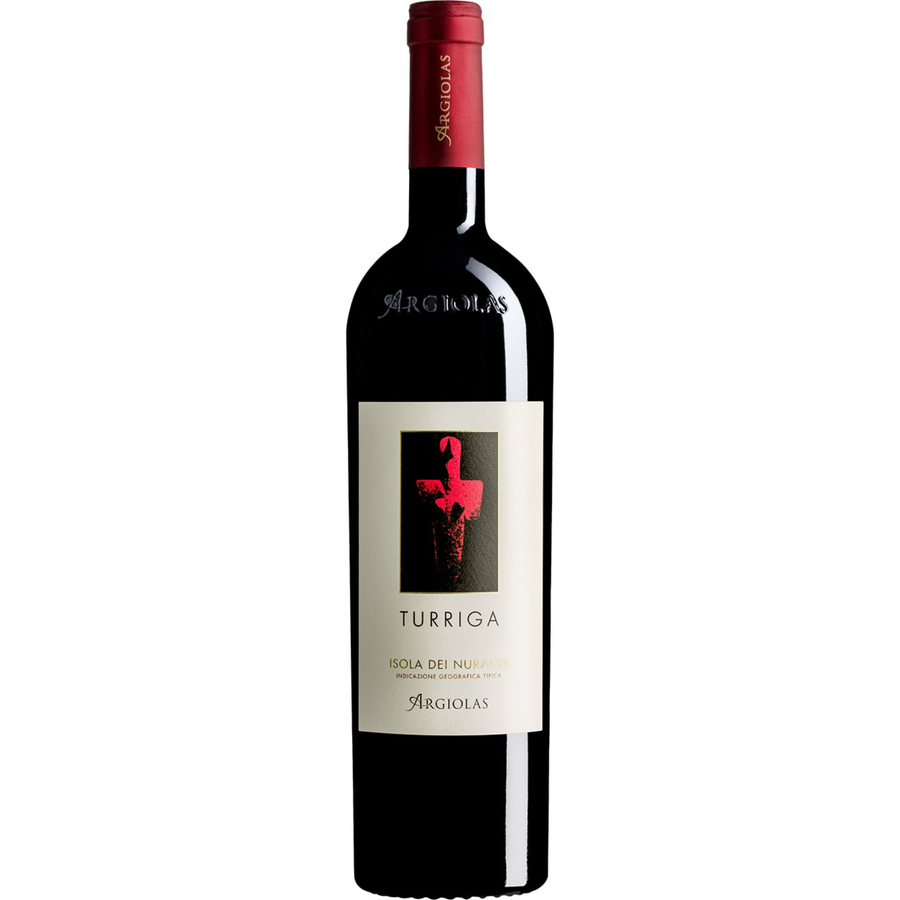

 Bottle


What Our Customers Say