

Shop 1 Liter Wine Bottles Online: Grüner, Whites & Reds
37 products
37 products


Great wine deserves a great journey. From selection to your doorstep, we obsess over the details that matter because a bottle is only as good as how it's treated before you open it.

Tasted and approved by experts who love wine. Not a wall of labels. Just a selection built around styles, pairings, and the moments you actually buy wine for.

We handle bottles gently and keep them stored carefully. Simple goal: keep your wine in great shape until delivery day.

Your bottles are protected for transit, and you can follow the shipment end to end, with responsive support if you need anything.
Author

Founder & Curator
Wine entrepreneur with 25+ years of global industry experience.
This Buyer's Guide is curated by MR.D Wine based on decades of tasting, sourcing, and importing experience across leading wine regions. Content reflects verified standards for labeling, alcohol levels, and serving practices.
Information checked against official resources from U.S. Alcohol and Tobacco Tax and Trade Bureau (TTB);Wine Institute (USA);International Organisation of Vine and Wine (OIV)

|
Feature |
Details |
|---|---|
|
Format |
1 Liter (1L / 1,000ml) |
|
Also known as |
Liter bottle, litre bottle, 1L format |
|
vs. Standard bottle |
33% more wine than a standard 750ml bottle |
|
Glasses per bottle |
Approximately 6 to 7 standard pours (at 5oz / 150ml each) |
|
Fluid ounces |
33.8 oz (vs. 25.4 oz in a standard 750ml) |
|
Typical closure |
Screw cap (most common), crown cap (some natural wines), occasionally cork |
|
Typical price range |
$10 to $25 (positioned as everyday value table wine) |
|
Common wines |
Grüner Veltliner, Riesling, Gamay, Cinsault, Viura, rosé blends, natural wine cuvées |
|
Common regions |
Austria, Germany (Pfalz, Rheinhessen), Italy (Tuscany, Apulia), Southern France (Languedoc), Spain |
|
Best for |
Everyday drinking, casual entertaining, picnics, BYOB restaurants, weeknight meals, refrigerator door storage |
The 1-liter format provides an accessible, high-volume alternative to standard packaging that reduces the per-glass cost of everyday table wine.
A 1-liter wine bottle holds 1,000ml of wine, which is one-third more volume than the standard 750ml bottle. That extra third yields roughly one and a half more glasses per bottle, accompanied by a retail price premium that typically runs only 15% to 25% higher than the exact same wine in a 750ml format. The 1L format has deep historical roots in European wine culture, particularly across Austria, Germany, and Italy, where it serves as the traditional packaging for house wines and local tavern pours meant to remain on the table throughout a casual meal.
In recent years, minimal-intervention winemakers and dedicated specialty importers have adopted the liter bottle for unpretentious, high-quality everyday drinking. The standard use of a screw cap closure highlights the format's functional design: it opens without specialized tools and reseals securely for standard refrigerator storage.
Austrian winemakers, particularly Weingut Berger in the Kremstal region, modernized the packaging in the 1990s by releasing organic Grüner Veltliner under crown caps in 1L bottles. Selection Massale launched their "La Boutanche" line around 2012, partnering with European estates to build a dedicated portfolio of accessible natural wines in the liter format. Concurrently, the Italian winemaking collaborative Ampeleia released "Unlitro," a Tuscan red blend in 1L packaging.
The format gained traction because it aligns directly with informal home consumption patterns. A 1-liter bottle of Grüner Veltliner stores securely on a standard domestic refrigerator door shelf, providing a reliable, chilled white wine intended for regular weeknight dining rather than formal occasions.
Most 1-liter wine bottles contain fresh, fruit-forward, lighter-bodied wines vinified for immediate consumption rather than extended cellar aging.
White wines represent the largest share of the 1L market. Grüner Veltliner from Austria serves as the category's benchmark, offering a crisp, herbaceous, and highly food-friendly profile. German Riesling sourced from the Pfalz and Rheinhessen regions also appears regularly in 1L bottlings, particularly in Halbtrocken (off-dry) styles. Spanish Viura, Italian Vermentino, and Trebbiano blends complete the white category with clean, high-acid profiles. You can explore our white wine catalog to view available liter-format options alongside standard regional bottlings.
Red wines packaged in 1L lean heavily toward lighter, low-tannin varieties. Examples include Gamay from the Loire Valley or Beaujolais, Cinsault from Southern France, Zweigelt from Austria, Trollinger from Germany, and unoaked Tempranillo from Spain. Tuscan blends utilizing Sangiovese and local indigenous grapes represent the core Italian production. These lighter red selections are built for slight chilling, showing better aromatic balance and fruit expression at 58°F than at standard room temperature. Italian reds in the 1L format from Tuscany consistently provide excellent varietal character for casual drinking.
Rosé in 1L packaging includes dry Provence-style blends, Languedoc cuvées, and Spanish rosado. The format suits rosé production due to its reliance on screw caps and a high-volume capacity built for cold storage. Unfiltered whites, pét-nat sparkling wines, and skin-contact orange wines are also frequently bottled in liters. Across all of these diverse styles, the primary winemaking objective remains immediate table readiness.
Most 1L wines fall between $10 and $25, reliably delivering a superior cost-per-glass value compared to equivalent releases in standard 750ml bottles. Because the consumer receives 33% more liquid volume for a modest 15% to 25% price increase, the economic efficiency strongly favors the larger format.
At this entry tier, selections consist of simple, clean table wines, including regional Italian reds, basic Grüner Veltliner, and Southern French country blends focused entirely on volume and primary fruit freshness. The per-glass cost runs approximately $1.20 to $1.80. These bottles function well as kitchen cooking wines, simple weeknight meal pairings, and high-volume options for large casual gatherings.
This price range represents the optimal intersection of quality and volume for the 1-liter format. Certified organic Grüner Veltliner, estate-grown Riesling, Tuscan red blends, and specialty minimal-intervention labels operate within this category. The per-glass cost averages $1.80 to $2.70. You can browse our Riesling inventory to find single-producer liter bottlings at this price point. These selections offer clear varietal definition and fruit concentration suitable for dinner parties, picnics, and BYOB dining.
The upper tier features single-producer natural wines, old-vine field blends, and complex regional cuvées. The winemaking quality here matches many standard 750ml bottles priced between $20 and $30, while maintaining a per-glass cost of $2.70 to $3.75. This tier provides exceptional viticultural quality in a generous format without requiring a formal dining structure.
A 1-liter wine bottle is the practical choice for social gatherings, outdoor dining, and multi-day home dining where extra liquid volume prevents the need to open a second bottle.
Weeknight dinners for two represent an ideal application for the format: a single bottle yields three full 5-ounce glasses per person with a small remaining pour, eliminating the waste or temptation associated with uncorking a second 750ml bottle. Dinner parties also benefit from the additional volume per bottle. For outdoor dining events such as picnics and barbecues, the standard screw cap closure removes the necessity of packing a corkscrew. Furthermore, solo drinkers will find that the airtight, resealable screw cap preserves freshness in the refrigerator for three to five days, while the generous total volume allows home cooks to pour liberally for pan deglazing and braising liquids.
Most 1L bottlings, including lighter red varieties, are vinified to be served chilled or lightly chilled. Serving a low-tannin red like Gamay or Cinsault at 58°F preserves its crisp acidity and primary fruit focus. The standard screw cap allows for immediate pouring straight from the refrigerator door shelf without the need for decanting tools or foil cutters. While 1L bottles are slightly taller than standard 750ml glass, their identical base diameter allows them to fit securely inside standard domestic refrigerator door bins.
The liter format spent decades linked to bulk commercial processing and secondary grape must. To protect against this compromise, our catalog focuses exclusively on estates and independent growers who select the 1-liter bottle deliberately because it reflects their philosophy of unpretentious, table-ready accessibility. Every 1L wine in this active inventory represents transparent farming practices and precise vinification rather than anonymous bulk market sourcing.
Our 1L catalog rotates throughout the calendar year to highlight seasonally appropriate styles, transitioning from crisp Austrian white wines during the summer months to robust French wines and chillable Italian reds in the autumn. This dynamic collection is structured around currently expressive vintages that demonstrate the clear economic value inherent to the liter packaging.
The core operational differences between 1-liter and 750ml bottles center on total volume, per-glass value math, expected cellar longevity, and available varietal diversity.
Volume and pour yields: A 1-liter bottle holds 1,000ml (33% more liquid than the 750ml standard), yielding approximately 6 to 7 standard 5-ounce pours compared to 5 pours from a 750ml bottle.
Price and per-glass economy: While 1L wines typically cost 15% to 25% more at retail than the exact same wine in a 750ml format, the 33% expansion in liquid volume reliably reduces the net cost per glass.
Closure technology: Nearly all 1L wine bottles utilize a reliable, resealable screw cap, whereas standard 750ml bottles feature a mix of natural cork, technical cork, and screw caps depending on traditional regional aging requirements.
Cellaring and category depth: The 750ml format spans the entirety of global wine production, accommodating everything from entry table wines to age-worthy investment bottlings. Conversely, the 1L format is utilized almost exclusively for fresh, drink-now wines vinified for immediate consumption.
|
Feature |
1 Liter Bottle |
750ml Standard Bottle |
|---|---|---|
|
Volume |
1,000ml (33.8 oz) |
750ml (25.4 oz) |
|
Standard Pours (5oz) |
~6.5 glasses |
~5 glasses |
|
Primary Closure |
Screw cap |
Cork or screw cap |
|
Cellaring Potential |
Drink immediately (1 to 2 years) |
Drink immediately or cellar |
|
Core Retail Tier |
$10 to $25 |
$10 to $5,000+ |
A 1-liter wine bottle yields approximately 6 to 7 standard 5-ounce (150ml) glasses of wine. This equals roughly one and a half more pours than a standard 750ml bottle, which yields exactly 5 standard glasses. If poured at a more generous 6-ounce volume, a 1-liter bottle yields 5.5 servings.
A 1-liter wine bottle contains 33.8 fluid ounces, compared to 25.4 fluid ounces inside a standard 750ml bottle. This net difference of 8.4 ounces provides the additional liquid volume that makes the liter format highly efficient for regular daily dining.
Yes, a 1-liter wine bottle holds 33% more liquid volume than a standard 750ml bottle. In the standard packaging hierarchy, it represents the immediate step up from the everyday 750ml size, remaining smaller and lighter than a 1.5-liter magnum while fitting easily into domestic storage racks.
Winemakers choose the 1-liter format for fresh, unoaked cuvées intended for casual home dining where immediate value and generous volume take priority over long-term cellaring potential. The packaging honors European tavern traditions and aligns with modern minimal-intervention movements that view wine as an unpretentious daily agricultural product.
Quality 1-liter wines generally cost between $10 and $25 at retail. The packaging delivers a more efficient cost-per-glass ratio than standard 750ml bottles because a 33% increase in liquid volume is typically offset by only a 15% to 25% increase in total retail price.
Yes, contemporary 1-liter bottlings from respected independent producers in Austria, Germany, Italy, and France contain authentic, well-vinified wines that frequently utilize organic or biodynamic fruit. The packaging denotes an informal, casual drinking occasion rather than a reduction in farming or cellar standards.
No, most 1-liter wines are vinified to be consumed within one to two years of their stated vintage date. Because they are structured for primary fruit freshness and bright acidity, they lack the heavy oak extraction and dense tannins necessary to support long-term bottle evolution.
Yes, while 1-liter bottles are slightly taller than standard 750ml bottles, their base diameter is nearly identical. They slide securely into standard domestic wine racks, dual-zone wine refrigerators, and standard kitchen refrigerator door shelves without causing physical obstruction.
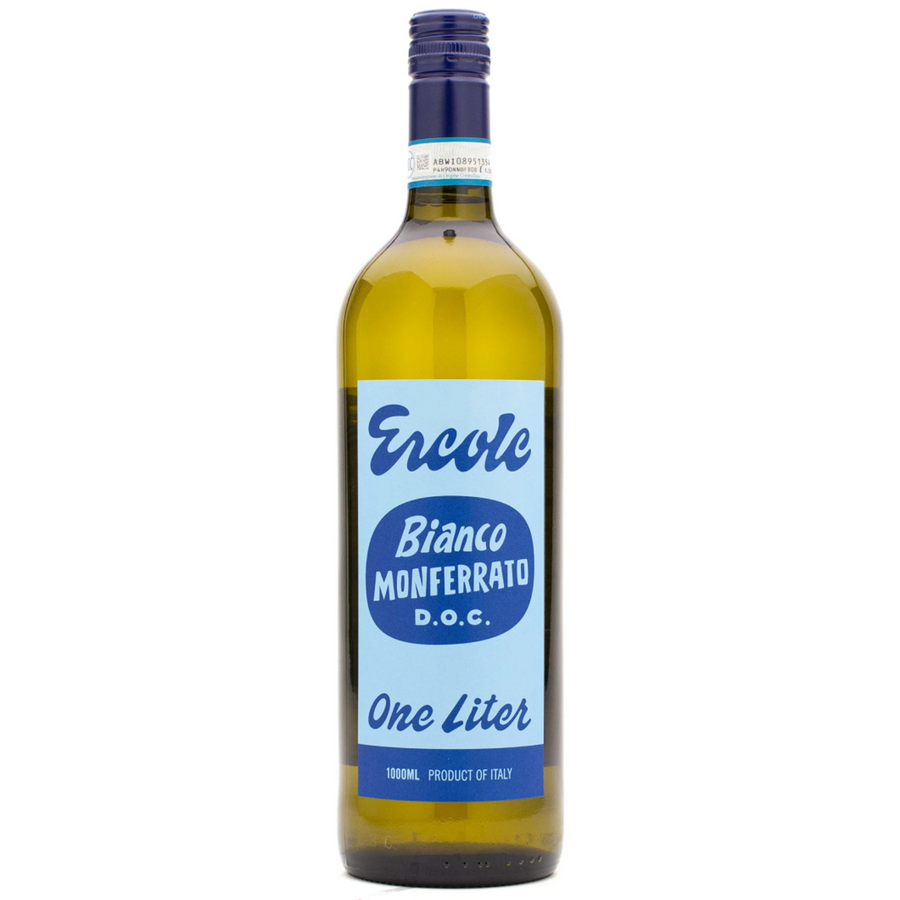

 Half Case (6)
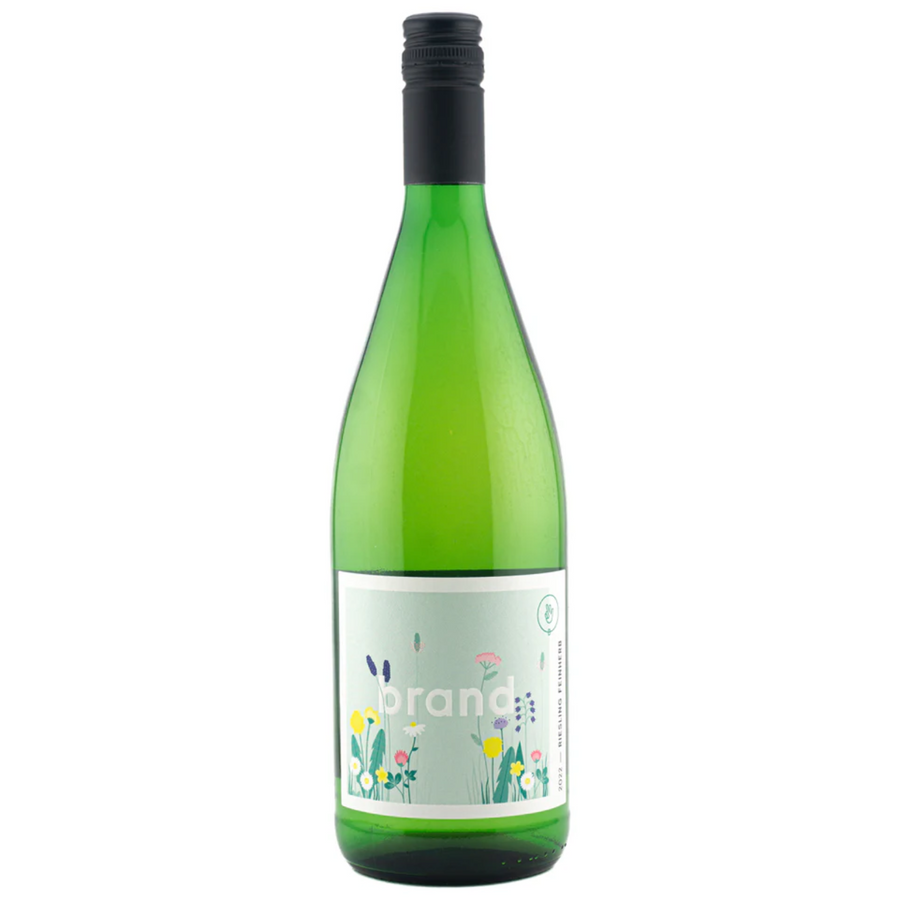

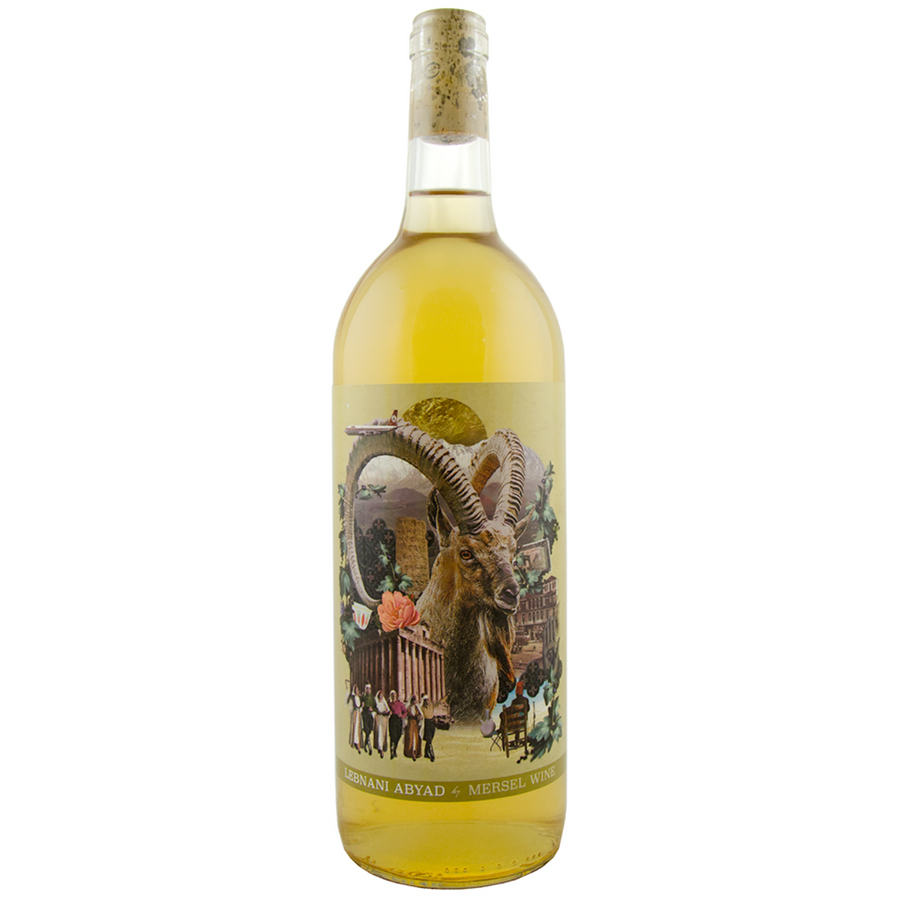

 Bottle
 1L
1L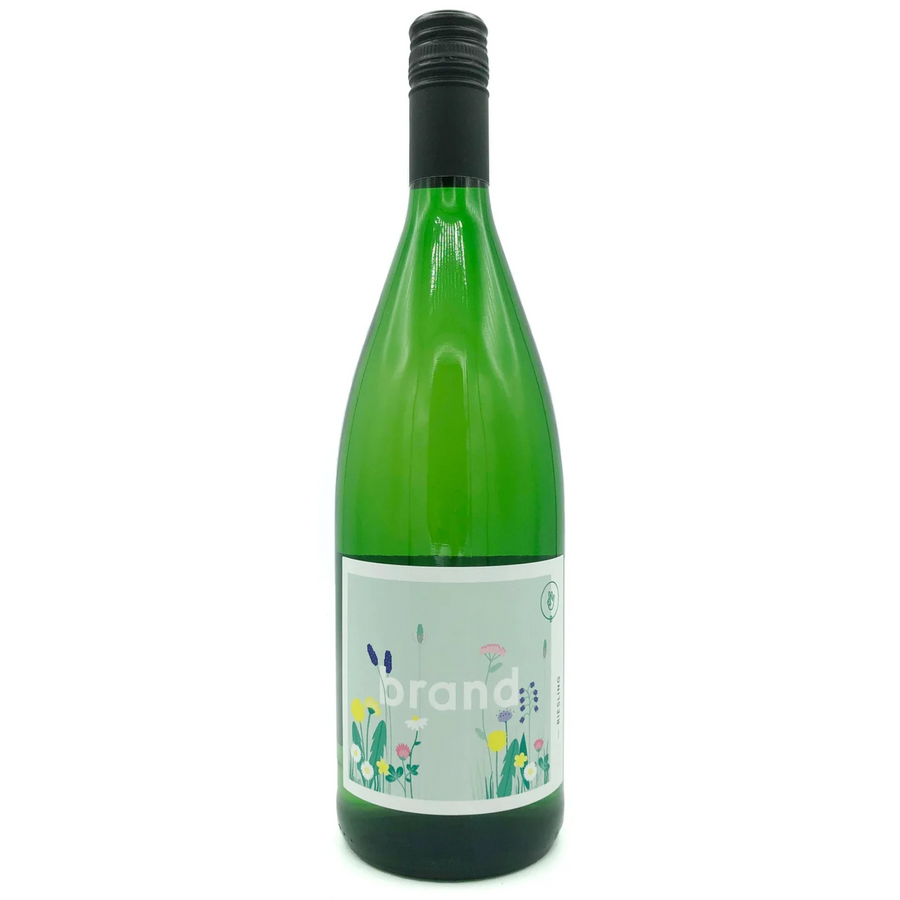





What Our Customers Say