

Buy Gamay Wine: Bright Chiroubles, Perfumed Fleurie and Structured Old-Vine Morgon from the Crus of Beaujolais
86 products
86 products


Great wine deserves a great journey. From selection to your doorstep, we obsess over the details that matter because a bottle is only as good as how it's treated before you open it.

Tasted and approved by experts who love wine. Not a wall of labels. Just a selection built around styles, pairings, and the moments you actually buy wine for.
We handle bottles gently and keep them stored carefully. Simple goal: keep your wine in great shape until delivery day.

Your bottles are protected for transit, and you can follow the shipment end to end, with responsive support if you need anything.
Author

Founder & Curator
Wine entrepreneur with 25+ years of global industry experience.
This Buyer's Guide is curated by MR.D Wine based on decades of tasting, sourcing, and importing experience across leading wine regions. Content reflects verified standards for labeling, alcohol levels, and serving practices.
Information checked against official resources from U.S. Alcohol and Tobacco Tax and Trade Bureau (TTB);Wine Institute (USA);International Organisation of Vine and Wine (OIV)

|
Criterion |
Detail |
|
What it is |
a red grape best known as the grape of Beaujolais, just south of Burgundy, where its top wines come from ten named crus |
|
Three wines in this guide |
Domaine Chapel Chiroubles, Domaine Chapel Fleurie 'Charbonnières' and Olivier Depardon Domaine de la Bêche Morgon Vieilles Vignes |
|
Same grape, different place |
all three are 100% Gamay; what changes is the cru, not the grape |
|
Freshness |
Chiroubles. Perfume: Fleurie. Depth: Morgon |
|
Serving |
Chiroubles slightly chilled; Fleurie and Morgon a little cooler than room temperature |
|
Pairing shorthand |
Chiroubles for charcuterie, Fleurie for roast chicken or duck, Morgon for something more substantial |
|
The biggest mistake |
judging all of Beaujolais by Beaujolais Nouveau |
|
The rule |
"Fruity" and "serious" are not opposites |
When I was about 19, my father took me through Beaujolais. Until then, the only Beaujolais I had tried was the Nouveau. I loved all the crus we tasted, and I came home understanding that I had been judging a whole region by its youngest wine.
That's the trip I want to give you with this guide. Here's how I think about Gamay, and how I help people choose.
Gamay is a thin-skinned red grape, fully named Gamay Noir à Jus Blanc, and it is the red grape of Beaujolais in eastern France. It's a natural cross of Pinot Noir and Gouais Blanc, which is why it shares some of Pinot Noir's lightness and red-fruit character.
Gamay has an unusual history. In July 1395, Philip the Bold, Duke of Burgundy, ordered it pulled out of his vineyards and called it a "disloyal" plant. Wine Spectator's account of that exile is worth reading. The grape moved south, to the granite hills of Beaujolais, and thrived there.
Today the top wines come from ten named villages, the crus of Beaujolais. Below them sit Beaujolais-Villages and simple Beaujolais. Then there's Nouveau, the young wine released every year on the third Thursday of November.
My own first serious Gamay isn't a bottle I can name. I can't point to one cru, vintage or place and say, "That was the bottle that changed everything." I'd rather leave it open than invent a story I don't actually remember.
What I do remember is the realization. Once I started tasting proper cru Beaujolais, I saw how misleading the reputation of Nouveau can be. Gamay could have real structure, perfume, freshness and a very clear sense of place. You can explore the region itself in our Beaujolais collection.
Gamay from the crus ranges from crunchy and bright to floral to savory and structured, depending on where it grows. One note first: the descriptions below are style profiles of each cru, not tasting notes from these exact bottles.
Chiroubles is like biting into a bowl of freshly picked red berries: crunchy, bright, juicy and refreshing. It's the Gamay I think of first when someone wants something lively that doesn't ask for attention.
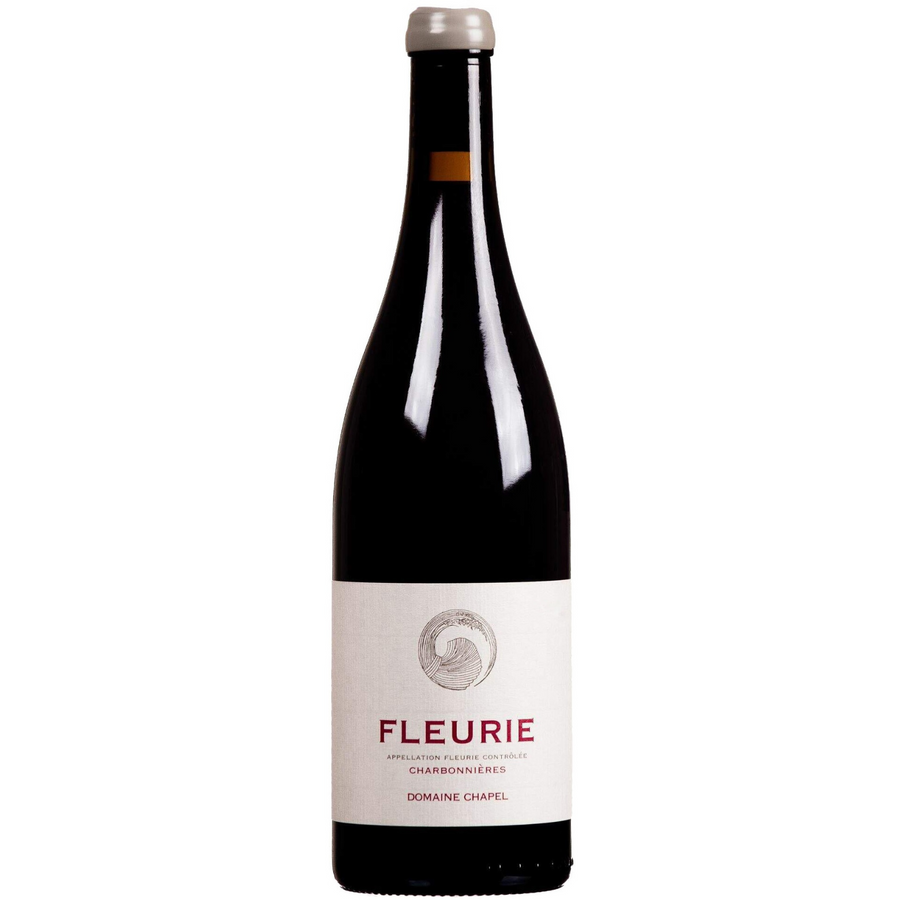
Fleurie is like having those same red berries with a bouquet of violets and roses sitting on the table. The fruit is still there, but the perfume becomes part of the experience. Violets, roses and red cherries are the notes people usually remember.
Morgon takes those berries and moves them into a more savory direction: darker cherries, earth, spice and more structure. It has more presence in the glass, and it's the cru that surprises people who think Beaujolais can't have substance.
The easiest way to understand the grape is to taste those three side by side. Same variety, neighboring villages, three very different personalities. That contrast teaches you more about Gamay than any label.
"Fruity" and "serious" are not opposites. I think that's a big part of the misunderstanding around Gamay. Because it can be delicious and approachable when young, people assume it can't have depth.
The most common mistake I see is judging all of Beaujolais by Beaujolais Nouveau. Nouveau gave the region worldwide recognition. But it also created a reputation that Beaujolais' best wines are still trying to escape.
So my advice is simple: try a good cru before you decide what you think about Gamay. One bottle of Fleurie or Morgon will tell you more than ten years of November Nouveau.
And don't make the opposite mistake either. Gamay isn't just a light red you chill and drink before dinner. Depending on the cru, it can take you surprisingly far through the meal. That's the part people find last, and in my experience it's usually what brings them back.
Gamay's character comes mostly from its soils and from how gently the fruit is handled in the cellar. The crus sit on hillsides of granite and schist, which favor freshness and perfume.
Beaujolais is known for carbonic and semi-carbonic fermentation, where whole grape clusters begin fermenting inside the berry. That approach pulls out bright fruit and soft tannins, and it's part of why young Beaujolais feels so easy to drink.
The serious crus use that tradition with more care, and some producers now destem part or all of the fruit to get more structure. Olivier Depardon, for example, destems his Morgon but keeps the berries whole, which still gives a gentle, semi-carbonic start to fermentation.
His Domaine de la Bêche has been in the family since 1848, and its importer notes that the estate holds vines in all six of Morgon's climats. The Vieilles Vignes cuvée draws on old vines, around 70 to 100 years old, on blue schist and weathered rock.
That weathered rock is what locals call "roche pourrie," rotten rock. It's one reason Morgon is the cru people describe as densest and longest-lived, along with Moulin-à-Vent.
For the lighter crus, altitude matters. Domaine Chapel's Chiroubles vineyards sit around 400 meters on pink granite and sandstone, and their Fleurie parcel, Charbonnières, sits near 460 meters. Higher sites ripen slowly and keep acidity, which is exactly what gives those wines their lift.
The ten crus of Beaujolais run from delicate to structured, and the three in this guide cover that range. I present them as a progression from delicacy to structure. Not from lesser to greater quality, just three different personalities of Gamay.
Chiroubles is among the highest-altitude crus, and it's bright, energetic and very easy on its feet. I'd give it to the Pinot Noir drinker who says, "I want something light, fresh, and not too serious."
Domaine Chapel makes ours. David Chapel and Michele Smith-Chapel founded the estate in 2016 after years around some of Beaujolais' most respected producers, and their own site explains how they farm their slopes by hand.
Fleurie is more about perfume and elegance: violets, roses and red cherries. It's the one I'd give someone who loves elegant Burgundy. If that's you, our red Burgundy collection and a Fleurie make a natural comparison.
The Chapels' Fleurie comes from Charbonnières, a steep, organically farmed parcel surrounded by forest. We carry their full range in our Domaine Chapel collection.
Morgon sits at the more structured end, with darker fruit, earthiness and more presence. The Depardon is the bottle I'd give someone who normally drinks more structured reds and is skeptical that Beaujolais can have substance.
With time, Morgon is said to "morgonne," picking up a savory character that reminds many drinkers of Pinot Noir. That's part of why it's the cru I point to when people ask whether Gamay can age.
For the full range of named villages, including Moulin-à-Vent and Côte de Brouilly, see our Cru Beaujolais collection.
Gamay can travel well, as long as it expresses where it grows instead of copying Beaujolais. That's my standard for any Gamay outside France.
One that stands out for me is Tessier's Barsotti Vineyard Gamay from California. When I tasted it, it didn't feel like someone was simply trying to reproduce Beaujolais in California. It was a little more generous in the fruit, while still keeping enough acidity and restraint.
That's exactly what I want. I don't want it to taste exactly like Fleurie or Morgon. If it's grown in California, I want it to tell me something about California. The same goes for Oregon and anywhere else Gamay is finding a home.
So when I taste a Gamay from outside France, my first question is simple: does it taste like somewhere? Fruit alone isn't enough. I want the acidity and restraint that make Gamay so good at the table, plus something that tells me where it grew.
The label tells you most of what you need: a cru name means the top tier, "Beaujolais-Villages" means the middle, and "Nouveau" means a wine made to be drunk within months of harvest. Once you know those three words, the shelf gets much easier.
Beaujolais Nouveau is released on the third Thursday of November, only weeks after harvest. It's built for immediate, festive drinking: bright, simple and fruity. I have nothing against it for what it is. My problem is only when people let it define the whole grape.
The Nouveau tradition is also more recent than people think. A 1951 rule allowed Beaujolais to be released early, and the date eventually settled on the third Thursday of November. The crus had been making serious wine long before that.
Beaujolais-Villages comes from a group of villages in the north of the region, with more character than basic Beaujolais. It's a useful everyday step up, but it still doesn't show you what a single cru can do.
A cru label usually doesn't even say "Beaujolais" in large letters. It says Fleurie, Morgon, Chiroubles, Moulin-à-Vent. That's your signal that you're looking at wine from a specific village, and that the place is the point.
My advice when you're standing at a shelf: look for the village name first, then the producer. If you see a cru name from a producer you trust, you're already most of the way to a good bottle.
That's also how we built this page. We picked three village names that sit at different points on the scale, and we picked producers who farm those villages with care, so the label and the wine tell you the same story.
Try a good cru before you judge Gamay. If your only reference is Nouveau, you haven't really tasted what this grape can do. Start with one bottle from a named cru, like Fleurie or Morgon, and then decide. Most people who dismiss Beaujolais have simply never had a cru, and one bottle usually changes the conversation.
Use my shorthand: Chiroubles for freshness, Fleurie for perfume, Morgon for depth. If you like light, energetic reds, go to Chiroubles. If you love elegant, floral wines, go to Fleurie. If you usually drink more structured reds, go to Morgon. Same grape, three answers.
Serve Chiroubles slightly chilled. A short time in the refrigerator sharpens its crunchy red fruit and keeps it lively. Fleurie and Morgon also show better a little cooler than a warm room, especially in summer. Warm Gamay loses the freshness that makes it worth buying.
Let Gamay go through the whole meal. Don't just pour it as an aperitif. Chiroubles handles the charcuterie, Fleurie handles roast chicken or duck, and Morgon can take pork, lamb or steak frites. Depending on the cru, it can take you surprisingly far through dinner.
Don't buy Gamay because it's cheap, and don't dismiss it because it's light. Buy it because, at its best, it gives you character and a sense of place without weight or pretension. That's the reason to reach for it, not the price tag.
In this guide, the Depardon Morgon sits in the low $20s, the Chapel Chiroubles around $40 and the Chapel Fleurie around $50. Prices move, so check the product page before you buy.
Beaujolais is undervalued. Because the market still doesn't value the crus the way it values Burgundy, or even many Loire reds, you can often get a remarkable amount of wine for the money.
The Depardon is the clearest example, and my usual first recommendation. Old vines, a family estate going back generations and real Morgon structure, at a price many people spend on a generic bottle. It's the easiest place to start if you're testing whether cru Beaujolais is for you.
The Chapel wines cost more because they come from small, steep, hand-farmed parcels. What you're paying for there is precision and perfume, not more weight.
Here's the honest caveat: Gamay is not for someone looking for a huge, dense, heavily oaked red. Its strength is freshness, energy and transparency. If you want power, I'll point you somewhere else, and I'd rather do that than sell you the wrong bottle.
That's why we built this collection around the crus rather than the cheapest Beaujolais on the market. In my experience, the extra few dollars for a real cru is where Gamay pays you back the most.
My pairing rule follows the cru: Chiroubles for the charcuterie board, Fleurie for roast chicken or duck, and Morgon when there's something more substantial on the table.
With Chiroubles, I'd keep things light and casual: charcuterie, pâté, roast chicken, grilled sausages, even a simple picnic lunch. Serve it slightly chilled.
With Fleurie, I'd go a little more delicate and aromatic: duck, roast chicken with herbs, pork tenderloin, mushrooms, or even salmon. I wouldn't want a very heavy sauce covering up the perfume. Our duck and game pairing collection has more ideas in that direction.
Morgon can handle considerably more: roast pork, duck confit, grilled lamb, steak frites, mushroom dishes or more aged cheeses. It has the structure to stand up to richer cooking without feeling heavy.
If you're setting a table with roast chicken or turkey, Gamay is one of the most flexible reds you can open. Our chicken and turkey pairing collection is a good next step.
Leopoldo Monterrey put these three bottles together as a simple introduction to cru Beaujolais: the same grape, from neighboring places, with three different personalities. Chiroubles, Fleurie and Morgon, side by side, teach you more than a textbook.
We chose wines we keep in stock, so you can actually build that comparison at home. And we picked them for the style of each cru, not for a famous name on the label.
My reasoning comes from the same trip my father gave me years ago, and it shapes my recommendations to this day. I walked into Beaujolais knowing only Nouveau and walked out loving the crus. If this collection does that for you, it's done its job. Explore the whole grape in our Gamay collection.
Choose Chiroubles for freshness, Fleurie for perfume and Morgon for depth. That's my shorthand, and it works because each cru has a clear customer.
Chiroubles is for the Pinot Noir drinker who wants something light and not too serious. Fleurie is for the lover of elegant Burgundy. Morgon is for the drinker of more structured reds who is skeptical of Beaujolais.
People also ask me how Gamay compares with Pinot Noir. They're related, since Gamay is a cross of Pinot Noir and Gouais Blanc, and both lead with red fruit and freshness. Gamay is usually juicier and more immediate. If you like Pinot, our Pinot Noir collection sits right next to this one.
And if you only buy one bottle to start, make it the Morgon. It's the cru most likely to change your mind about Beaujolais, and the easiest on your budget.
No. Nouveau is a young wine released every November. The ten crus of Beaujolais, like Fleurie and Morgon, make Gamay with real perfume, structure and a clear sense of place. Try a good cru before you judge the region.
Gamay is the grape, and Beaujolais is the region where it's most famous. Almost all red Beaujolais is made from Gamay, but Gamay is also grown in other places, including California and Oregon.
A cru is one of the ten named villages that make Beaujolais' top wines, including Chiroubles, Fleurie, Morgon and Moulin-à-Vent. The grape stays the same; the place changes the style.
Lightly chilled, yes. Serve Chiroubles slightly chilled, and Fleurie and Morgon a little cooler than a warm room. Too warm, and Gamay loses the freshness that makes it worth buying.
The structured crus can. Morgon is known as one of the densest and longest-lived crus, and with time it takes on a savory character that reminds many drinkers of Pinot Noir.
Yes. Gamay is a natural cross of Pinot Noir and Gouais Blanc. Both lead with red fruit and freshness, but Gamay is usually juicier and more immediate.
Yes. Tessier's Barsotti Vineyard Gamay from California is one I like, because it expresses California instead of trying to copy Beaujolais. That's the standard I use for any Gamay outside France.
Chiroubles with charcuterie, Fleurie with roast chicken or duck, and Morgon with pork, duck confit, lamb or steak frites. Depending on the cru, Gamay can go through the whole meal.

 Bottle
 750ml




 Half Case (6)


What Our Customers Say