



 Bottle
 750ml


 Case (6)


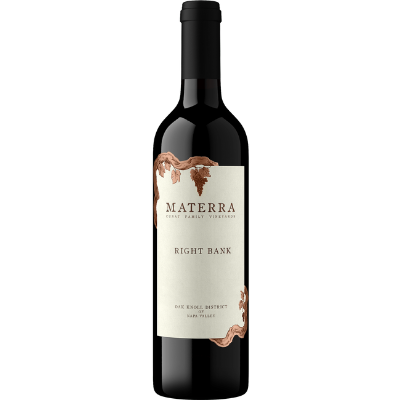


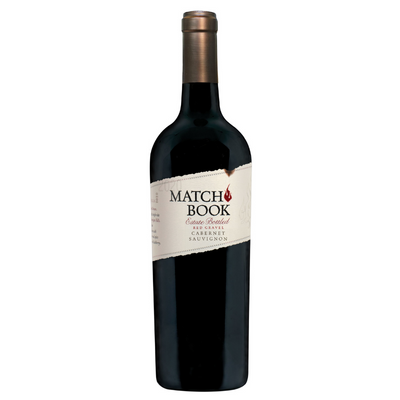
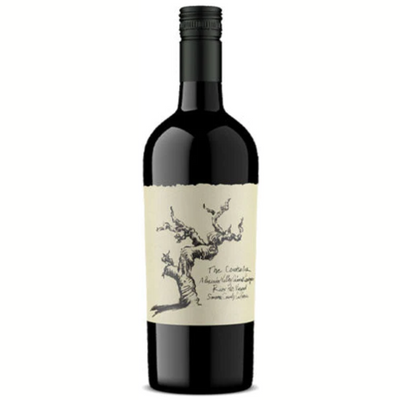


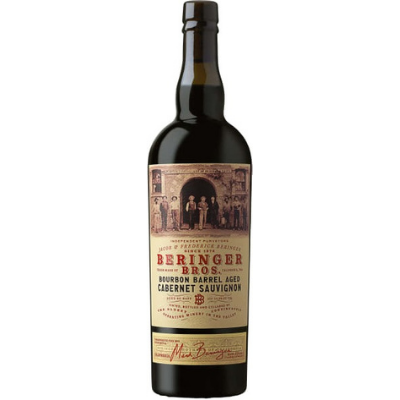


Easy-drinking
California, Chile, other regions
- Ripe blackberry
- Dark cherry
- Soft vanilla
A satisfying glass, no thinking needed
Easy-drinking → Age-worthy: 1/5

923 products
Google reviews
Real reviews from people who ordered from Mr.D Wine Merchant.
From our cellar to your door
Great wine deserves a great journey. From selection to your doorstep, we obsess over the details that matter because a bottle is only as good as how it's treated before you open it.
Selection
Tasted and approved by experts who love wine. Not a wall of labels. Just a selection built around styles, pairings, and the moments you actually buy wine for.
Storage
We handle bottles gently and keep them stored carefully. Simple goal: keep your wine in great shape until delivery day.
Delivery
Your bottles are protected for transit, and you can follow the shipment end to end, with responsive support if you need anything.
Content reflects verified standards for labeling, alcohol levels, and serving practices.
Cabernet Sauvignon · Buyer's guide
How Cabernet Sauvignon wine tastes, where the best bottles come from, what to spend at $50, $100 and $200, and which wines to try if you love Caymus, so you buy the style you enjoy, not the label.
By Leopoldo "Leo" Monterrey15 min read
The short version, before the details.
Cabernet Sauvignon wine is a dry red made from Cabernet Sauvignon, the world's most planted wine grape, with about 340,000 hectares according to the OIV. It comes from Bordeaux, where it anchors the great blends of the Left Bank, and today it is grown in almost every wine country.
In 1997, DNA research at UC Davis, published in Nature Genetics, showed that Cabernet Sauvignon is a cross of Cabernet Franc and Sauvignon Blanc, a red and a white grape that met in Bordeaux vineyards. That makes it a half-sibling of Merlot, which shares Cabernet Franc as a parent.
Cabernet is hardy, keeps its character in very different climates and makes wines that can age. After the 1976 Judgment of Paris, when California Cabernet held its own against classified Bordeaux wine, growers everywhere planted it.
What I learned wasn't that one region makes better Cabernet. It was that the same grape can speak two very different languages depending on where it's grown.
Leo, Founder & Curator
Parents
Cabernet Franc × Sauvignon Blanc
Classic home
Bordeaux Left Bank
Planted
About 340,000 ha worldwide
Ripens
1 to 2 weeks after Merlot
Judgment of Paris
A blind tasting puts California Cabernet on the international stage.
Parents identified
UC Davis publishes the Cabernet Franc × Sauvignon Blanc parentage in Nature Genetics.
Most planted wine grape
OIV data puts Cabernet Sauvignon first in the world, with about 340,000 hectares.
Cabernet Sauvignon tastes of blackcurrant, blackberry and dark cherry, often with cedar, tobacco, graphite or chocolate. It is dry and full-bodied, with more tannin than softer grapes like Merlot. Napa versions lead with ripe fruit; Bordeaux versions lead with structure and savory notes.
I describe it as a red wine with dark fruit, structure and personality. What really defines Cabernet for me is its structure. I explain tannins as that slightly drying sensation you get from strong black tea, and Cabernet often has more of it than Merlot.
Napa often shows more generous, ripe black fruit, a fuller texture and a sense of immediate richness. Bordeaux, particularly on the Left Bank, tends to emphasize structure, freshness and more savory notes like cedar, tobacco, graphite and earth. These are generalizations, and the producer, vintage and age of the wine can change everything.
That green, leafy note comes from pyrazines, compounds that are higher in grapes picked before they are fully ripe.
Price doesn't automatically determine which style a wine belongs to. And Bordeaux isn't necessarily more structured than Napa: both regions can produce elegant wines and powerful wines.
Easy-drinking
California, Chile, other regions
A satisfying glass, no thinking needed
Easy-drinking → Age-worthy: 1/5
Balanced and structured
Good Napa, Bordeaux-style blends
The dinner wine for grilled meats
Easy-drinking → Age-worthy: 3/5
Powerful and age-worthy
Serious Napa, classified Left Bank
Wants food, patience or cellar time
Easy-drinking → Age-worthy: 5/5
Reference style: oaked Napa or Médoc. Young Bordeaux feels fresher and firmer; Napa shows riper fruit and a rounder texture.
Cabernet Sauvignon has firmer tannins and blackcurrant; Merlot is rounder, with plum and cocoa.
Explore Shop Merlot Wine Online: Napa, Pomerol and Everyday Reds
Cabernet is darker, fuller and more tannic; Pinot Noir is lighter, with red cherry and higher acidity.
Malbec is softer in tannin, with violet and plum; Cabernet is firmer, with blackcurrant and cedar.
Explore Shop Malbec Wine Online: Weeknight Bottles to Single Vineyards
Syrah brings black pepper, smoke and meaty notes; Cabernet brings blackcurrant, cedar and a firmer tannic frame.
Leo's insight
Price doesn't automatically determine which category a wine belongs to. A $150 Cabernet isn't automatically a better candidate for aging than a $50 bottle, and spending the entire budget isn't always necessary.
My rule is simple: don't choose Cabernet by how expensive or famous it is. Choose it by how much structure you enjoy in your glass. I don't sell Cabernet by moving customers up the price ladder. I sell it by finding the style they actually enjoy.
Leo, Founder & Curator
Cabernet Sauvignon gets its structure in the vineyard: small, thick-skinned berries give wines high in tannin, and the grape ripens one to two weeks after Merlot and Cabernet Franc. Winemaking then decides how much of that grip you feel.
Most serious Cabernet spends time in oak barrels, which softens the tannins and adds cedar, vanilla or chocolate. In Bordeaux it is blended with Merlot, Cabernet Franc and Petit Verdot, so the label shows the château, not the grape.
In the U.S., a wine labeled Cabernet Sauvignon must contain at least 75% of the grape. If the label names an AVA such as Napa Valley, at least 85% of the grapes must come from that AVA. A Bordeaux label from Margaux or Pauillac tells you the place; on the Left Bank, Cabernet usually leads the blend.
At about 3 years, Cabernet tastes of fresh blackcurrant and blackberry, with firm tannin and visible oak. At about 10, a structured bottle softens: the fruit turns darker and drier, and cedar, tobacco and leather come forward. At 20, only the most structured wines from strong vintages are still improving, with earthy, savory notes, a brick rim and sediment that calls for decanting.
The most important Cabernet Sauvignon regions are Napa Valley, Bordeaux's Left Bank, Paso Robles, Washington State, Chile's Maipo Valley and Australia's Coonawarra. Each gives the grape a different accent, so we go place by place.
Napa is where California Cabernet made its name, with ripe black fruit and a full, rich texture. Caymus and Far Niente sit here, at very different points on the style scale. We cover the valley in depth in our Napa Valley Cabernet Sauvignon collection.
Paso Robles is warmer and more generous, which makes it a source of fruit-forward, easy-drinking Cabernet at friendly prices, like Foxglove. Browse Paso Robles wine.
On the Left Bank, Cabernet thrives in the gravel soils of the Médoc, which drain well and hold heat. Margaux, Pauillac and Saint-Julien make the most structured, cedar-and-graphite versions; BriO de Cantenac Brown is a Margaux way in. See our Bordeaux wine.
Cabernet Sauvignon is Washington's most widely planted red grape, and the Columbia Valley gives it dark fruit with fresh acidity. Explore Washington wine.
Maipo, south of Santiago, is Chile's classic Cabernet valley, with blackcurrant, a minty edge and firm structure for the price. Pérez Cruz Piedra Seca comes from here. Start with our Chilean wine.
In Coonawarra, a strip of red terra rossa soil marks where the best Cabernet is planted; Margaret River, in Western Australia, makes a more Bordeaux-like version. Find them in Australian wine.
U.S.
Napa Valley
Ripe black fruit and a full texture; the 1976 Judgment of Paris made its name.
U.S.
Paso Robles
Warm and generous: fruit-forward, easy-drinking Cabernet at friendly prices.
France
Médoc
Gravel soils that drain well and hold heat; home of Margaux and Pauillac.
U.S.
Washington
The state's most widely planted red grape, with dark fruit and fresh acidity.
Chile
Maipo
Chile's classic Cabernet valley: blackcurrant, a minty edge and firm structure.
Australia
Coonawarra
Red terra rossa soil marks where the region's best Cabernet is planted.
| Region | Style | Body | Typical level | For you if |
|---|---|---|---|---|
| Napa Valley | Ripe black fruit, rich texture | Full | $50 to $150+ | You want generous fruit |
| Paso Robles | Ripe, warm, fruit-forward | Full, soft | $20 to $60 | You want an easy-drinking style |
| Bordeaux Left Bank | Cedar, tobacco, graphite | Medium-full, firm | $50 to $100+ | You like structure and freshness |
| Washington | Dark fruit with fresh acidity | Medium-full | $20 to $60 | You want balance at a fair price |
| Chile (Maipo) | Blackcurrant, mint, firm frame | Medium-full | $20 to $50 | You want structure for less |
Related collections
LM
A well-made $25 Cabernet might be delicious today. Keeping it another decade won't necessarily make it better; you might lose the fruit and freshness.
Are you buying this to drink tonight, or are you planning to put it away?
If the room is 75 or 80 degrees, the wine is too warm. The alcohol shows more and the fruit feels heavy.
It can help a young, tight Cabernet open up, but it can't replace years of bottle development or fix an unbalanced wine.
As a bottle gets older, I become more careful with oxygen, not less.
Some producers make excellent wines in challenging years, and those bottles can offer very good value.
Tips by Leo, Founder & Curator
A good Cabernet Sauvignon starts around $20, structured bottles from Bordeaux and Napa start near $50, and above $100 you are choosing between styles more than buying quality. This collection runs from under $20 to large formats for the cellar.
Look for fruit-forward Cabernet from Paso Robles or Washington. Foxglove from Paso Robles and Powers from the Columbia Valley are easy, honest bottles for a weeknight.
With $50, I'd probably recommend BriO de Cantenac Brown from Margaux at $48. It's a great opportunity to meet the Bordeaux side of Cabernet. If you prefer ripe fruit and something more approachable, I'd point you toward Pérez Cruz from Chile at $26 instead. Spending the entire budget isn't always necessary.
If you love Caymus because it's ripe, smooth and easy to enjoy, I'd start by showing you a more affordable, fruit-forward Cabernet like Foxglove or Powers. They're not exact substitutes, and I wouldn't promise the same richness, but they're interesting alternatives at a much lower price. If you want to stay with that generous Napa personality, I'd recommend Caymus itself at $70.
With $200, Caymus Special Selection at $180 is the next step. But if you're looking for a more structured and restrained Napa Cabernet, I'd introduce you to Far Niente at $150: not necessarily an upgrade in quality, but another interpretation of Napa Cabernet. Far Niente also comes in magnum, a strong gift.
Fruit-forward and approachable; delicious today, not built to wait.
More freshness, definition and tannin: the versatile dinner wines for grilled meats.
Concentration and firmer tannins; may benefit from food, patience or cellar time.
A different direction, not automatically a better candidate for aging.
Drink tonightWorth the wait
Caymus Napa Valley 2023: rich and bold, with soft tannins. Also in 1L, magnum and 3L.
From$ 69.99
Pérez Cruz Piedra Seca 2022 from Maipo, Chile. Balanced and structured at a weeknight price.
$ 25.88
Far Niente Napa Valley 2023, balanced and structured, bordering on age-worthy. Also in magnum.
From$ 150.00
Caymus Special Selection 2020: powerful and age-worthy, plush rather than firmly tannic.
$ 179.99
BriO, the second wine of Château Cantenac Brown in Margaux, 2018. Balanced and structured.
$ 48.10
Foxglove Paso Robles 2023: fruit-forward and easy, an alternative to Caymus at a much lower price.
$ 19.60
Powers Columbia Valley 2021: dark fruit with Washington freshness at an everyday price.
$ 24.50
Are you buying this to drink tonight, or to put it away?
You enjoy generous fruit and a smooth, luxurious texture
You prefer ripe fruit and something approachable
You want a more structured and restrained Napa Cabernet
You want to go a step higher on generous Napa
| Crowd-pleaser Caymus Vineyards Cabernet Sauvignon Napa Valley | Best value Perez Cruz Piedra Seca Cabernet Sauvignon | Gift bottle Far Niente Cabernet Sauvignon Napa Valley | For the cellar Caymus Vineyards Cabernet Sauvignon Special Selection California | |
|---|---|---|---|---|
| Style | Easy-drinking, rich Napa | Balanced, Chilean value | Structured, restrained Napa | Powerful and plush |
| Choose it if | You enjoy generous fruit and a smooth, luxurious texture | You prefer ripe fruit and something approachable | You want a more structured and restrained Napa Cabernet | You want to go a step higher on generous Napa |
| Add to cart | From$ 69.99 | $ 25.88 | From$ 150.00 | $ 179.99 |
Cabernet Sauvignon pairs best with grilled red meat, lamb and hard aged cheese, because fat and protein soften its tannins. Balanced and structured bottles are excellent dinner wines, especially with grilled meats.
Match richness to richness: a ribeye or a strip steak from the grill takes a ripe Napa or Paso Robles Cabernet, while leaner cuts and lamb show off the cedar and freshness of a Left Bank Bordeaux.
I like to serve Cabernet Sauvignon slightly cool, around 61 to 64°F, or 16 to 18°C. I prefer a generous Bordeaux-style glass, with enough room to swirl the wine and appreciate its aromas.
Only when it needs it. Take a young Caymus Napa: I would taste it first. If it seems a little closed, I might give it 20 to 45 minutes in a decanter. With an older bottle like a Special Selection, I'd pay closer attention to the vintage and the wine's condition. I make an important distinction between aging potential and the need to age a wine.
Grilled ribeye
Napa Cabernet
Ripe black fruit matches the char; the fat softens the tannins.
Rack of lamb
Left Bank Bordeaux
Cedar and herbs in the wine echo the crust; fresh acidity cuts the fat.
Blue cheese burger
Paso Robles Cabernet
Soft, generous fruit stands up to salty, rich toppings.
Roasted mushrooms
Washington Cabernet
Fresh acidity and dark fruit lift earthy, savory flavors.
Temperature
61–64°F (16–18°C)
Glass
Generous Bordeaux-style glass
Decant
20 to 45 min for young, closed Napa; taste first
Cellar
Everyday bottles young; serious ones 10+ years
We store our wines under temperature control and verify the provenance of older vintages, which matters most with Cabernet you plan to keep. The collection covers every style, from easy weeknight bottles to powerful Napa and classified Left Bank Bordeaux, plus magnums and larger formats for the cellar and for gifts, so you can compare regions and levels in one place.
Storage
Bottles are kept under temperature control until they ship.
Provenance
We check where older bottles come from before we list them.
Every region
Compare regions and price levels side by side, from weeknight to magnum.
Yes. Cabernet Sauvignon is a dry red wine. Ripe Napa and Paso Robles bottles can taste a little sweet because of their ripe black fruit and vanilla from oak, but there is no noticeable sugar. The firm, drying tannins, like strong black tea, are what you feel most.
Cabernet Sauvignon is a red grape born in Bordeaux as a cross of Cabernet Franc and Sauvignon Blanc, confirmed by UC Davis DNA research in 1997. According to the OIV, it is the world's most planted wine grape, with about 340,000 hectares.
Cabernet Sauvignon tastes of blackcurrant, blackberry and dark cherry, often with cedar, tobacco, graphite or chocolate. It is full-bodied, with more tannin than Merlot. Napa versions feel riper and richer; Left Bank Bordeaux feels fresher and more savory.
Only when the bottle needs it. Taste first: if a young Cabernet seems closed, 20 to 45 minutes in a decanter helps it open. Decanting can't replace years of bottle development or fix an unbalanced wine, and older bottles need more care with oxygen, not less.
For the same ripe, smooth style at a lower price, try a fruit-forward Cabernet such as Foxglove from Paso Robles or Powers from Washington. They are not exact substitutes. To stay with generous Napa, buy Caymus itself; to go higher, compare Caymus Special Selection with Far Niente.
No. Not every Cabernet is built to age. A well-made $25 bottle can be delicious today and lose its fruit and freshness if kept for a decade, and a $150 bottle isn't automatically a better candidate for aging than a $50 one. Age a bottle only if it has something to gain.
Shop the guide
Caymus Vineyards Cabernet Sauvignon Napa Valley
From$ 69.99
Far Niente Cabernet Sauvignon Napa Valley
From$ 150.00


