

Buy Chardonnay Wine Online - Premium Chardonnay White Wines at Mr D Wine
550 products
550 products


Great wine deserves a great journey. From selection to your doorstep, we obsess over the details that matter because a bottle is only as good as how it's treated before you open it.

Tasted and approved by experts who love wine. Not a wall of labels. Just a selection built around styles, pairings, and the moments you actually buy wine for.

We handle bottles gently and keep them stored carefully. Simple goal: keep your wine in great shape until delivery day.

Your bottles are protected for transit, and you can follow the shipment end to end, with responsive support if you need anything.
Author

Founder & Curator
Wine entrepreneur with 25+ years of global industry experience.
This Buyer's Guide is curated by MR.D Wine based on decades of tasting, sourcing, and importing experience across leading wine regions. Content reflects verified standards for labeling, alcohol levels, and serving practices.
Information checked against official resources from U.S. Alcohol and Tobacco Tax and Trade Bureau (TTB);Wine Institute (USA);International Organisation of Vine and Wine (OIV)
Reviewed & Curated by MR D Wine

This Buyer’s Guide is curated by MR D Wine based on decades of tasting, sourcing, and importing experience across leading wine regions. Content reflects verified standards for labeling, alcohol levels, and serving practices.
Information checked against official resources from Bourgogne Wines and UC Davis Viticulture & Enology.
Last reviewed: October 2025
Buying Chardonnay wines shouldn’t feel complicated. This quick buyer’s guide keeps things simple: what the styles mean, how to read labels in seconds, and how to pick bottles you’ll actually enjoy whether it’s an easy weeknight pour or something special to tuck away.
Think of style by place. Californian Chardonnay often leans riper, with oak-driven notes and a rounder feel, while Burgundy Chardonnay (from places like Chablis and the Côte de Beaune) skews more mineral and taut, with brightness that comes from cooler sites and limestone soils. These are the cues that make labels feel intuitive and shopping more confident.
Prefer a richer, creamier profile? We’ll flag options in the best buttery Chardonnay camp and explain how choices like malolactic fermentation and oak influence translate into that silky texture and baking-spice warmth. No jargon just the “why it tastes that way” in plain English.
And if you’re chasing critics’ favorites, we’ll highlight a top-rated Chardonnay wine alongside food-pairing and serving tips so you can explore confidently and enjoy every pour.
Chardonnay is still king at Mr D Wine. What makes it exciting is how the same grape can tell totally different stories depending on where it’s grown. Some bottles taste fresh and citrusy, others are creamy and rich; you just have to find the style that speaks to you.
Here’s a look at our top-selling Chardonnay wines, from iconic French Grand Crus to modern New World standouts. These are the bottles everyone is talking about:
|
Wine (Vintage) |
Region / Appellation |
Style & Tasting Notes |
Avg. Price |
Aging Potential |
|
Ridge Vineyards Estate Chardonnay 2023 |
Santa Cruz Mountains, USA |
Bright citrus, green apple, layered oak, elegant minerality |
$75–$85 |
7–10 years |
|
Marchesi Antinori Cervaro della Sala 2016 |
Umbria IGT, Italy |
Rich and complex, with pear, hazelnut, honey, and a silky texture |
$140–$160 |
12–15 years |
|
Domaine Laroche Les Clos Chablis Grand Cru 2022 |
Chablis, France |
Razor-sharp acidity, chalky minerality, lemon zest, long finish |
$180–$200 |
15+ years |
|
Jean-Claude Ramonet Bâtard-Montrachet Grand Cru 2021 |
Côte de Beaune, France |
Intense and powerful; layers of stone fruit, hazelnut, butter, and spice |
$850–$950 |
20+ years |
|
Tolpuddle Vineyard Chardonnay 2023 |
Tasmania, Australia |
Vibrant acidity with notes of grapefruit, white peach, and subtle oak |
$95–$110 |
8–12 years |
Chardonnay is a chameleon grape: same variety, totally different vibes depending on climate, soil, and winemaking. Here’s the backstory and the key traits that make it instantly recognizable once you know what to look for.
If you want to understand why Chardonnay tastes the way it does, start with where it comes from. Burgundy is the spiritual home, but the grape’s real superpower is how it adapts everywhere else without losing its identity.
Chardonnay is the world’s favorite white wine. Born in Burgundy, France, it has become the most widely planted white grape on earth because it adapts like a chameleon. In cool climates, it’s lean, citrusy, and mineral. In sunny places (like California), it turns golden, creamy, and buttery. For a concise explainer on malolactic fermentation and how it shapes Chardonnay’s texture and acidity, see UC Davis Viticulture & Enology.
That’s why it remains the top-selling white varietal in the U.S. There’s truly a style for everyone, whether you’re after an easy weeknight pour or a collectible Grand Cru.
Chardonnay is a white wine made from the Chardonnay grape, a green-skinned varietal with roots in Burgundy. Its magic lies in diversity:
Unoaked Chardonnay: Crisp and refreshing, with lemon, green apple, and mineral notes.
Oaked Chardonnay: Rich and creamy, with flavors of vanilla, butter, and tropical fruit.
Here’s the quick snapshot before you dive into the table.
|
Attribute |
Details (2025) |
|
Origin |
Burgundy, France |
|
Grape Type |
Chardonnay (green-skinned) |
|
Global Vineyard Area |
~210,000 hectares (OIV 2024) |
|
Top Producing Countries |
France, USA, Australia, Chile, South Africa |
|
Common Styles |
Unoaked (crisp, citrusy), Oaked (buttery, tropical), Sparkling (Champagne, Crémant) |
|
Alcohol Range |
12% – 14.5% ABV |
|
Aging Potential |
Unoaked: 2–4 years; Premium Oaked: 10–20 years |
|
Market Share (U.S.) |
~17–18% of white wine sales |
|
Food Pairings |
Shellfish, roast chicken, creamy pasta, lobster, aged cheese |
Where does Chardonnay come from? The story begins in Burgundy, France. First planted in the Middle Ages, this grape quickly proved its strength: it can adapt to cool limestone soils or sunny valleys, always expressing something unique. For official AOC background and maps on Chardonnay across Burgundy (Chablis, Côte de Beaune, Mâconnais), see Bourgogne Wines.
That adaptability is why, in 2025, Chardonnay is the most planted white wine grape in the world, grown in over 40 countries.
Name & roots: Likely named after the village of Chardonnay in the Mâconnais.
History: Written records date back centuries, showing its deep legacy.
Spiritual home: Burgundy still sets the global standard, with world-famous wines from Chablis, Côte de Beaune, and Mâconnais.
Why it matters: Limestone soils, cool climate, and tradition create elegant, age-worthy bottles.
Chardonnay didn’t stay in France for long. By the 19th and 20th centuries, it had traveled the globe:
California: Became the signature white grape of Napa and Sonoma.
Australia, South America, South Africa: Quickly embraced thanks to its versatility.
Champagne: A cornerstone grape, adding freshness and finesse to blends and shining solo in Blanc de Blancs.
Today, over 210,000 hectares worldwide (OIV, 2024) are planted with Chardonnay.
In the vineyard, Chardonnay tends to show small-to-medium, often cylindrical clusters with small, round berries and relatively thin skins, one reason it can express delicate aromatics so clearly. It can also be prone to “hens and chicks” (millerandage), where a single cluster sets berries of mixed sizes, which can concentrate flavor but also complicate ripening. These physical traits help explain why the grape can swing from razor-crisp to richly textured depending on harvest timing and cellar choices.
Chardonnay doesn’t have one ‘default’ flavor. Instead, it’s a clean canvas that shows you climate, oak, and fermentation choices in a very honest way.
A quick trick: cool-climate Chardonnay usually leans citrusy, green-apple, and mineral; warm-climate Chardonnay tends to go riper think stone fruit and tropical notes. Oak and malolactic fermentation can add the famous buttery, vanilla, and baking-spice layer on top.
Why is Chardonnay so popular? Because it doesn’t lock into just one flavor. It can be sharp and citrusy or rich, creamy, and buttery. Think of it as the “shape-shifter” of the wine world: always recognizable, never boring.
Most Chardonnays are dry, with little to no sweetness.
Taste: Bright acidity, lemon, lime, green apple, and a crisp mineral edge.
Examples: Chablis (France), Oregon Chardonnay, Chile’s Casablanca Valley.
Best with: Shellfish, sushi, fresh salads, or tangy goat cheese.
Rare, made from late-harvest grapes or noble rot (botrytis).
Taste: Honey, apricot, tropical fruit, with a dessert-like richness.
Examples: Late-harvest California wines, Canadian ice wine, rare French bottlings.
Best with: Fruit tarts, crème brûlée, or bold blue cheeses.
Created through oak aging and malolactic fermentation.
Taste: Creamy, full-bodied, with flavors of vanilla, butter, brioche, hazelnut, and ripe tropical fruit.
Examples: Napa Valley classics like Rombauer Chardonnay, or Sonoma’s Russian River Valley.
Best with: Lobster in butter, roast chicken, creamy pasta, or pork tenderloin.
Here’s the quick snapshot before you dive into the table.
|
Style |
Acidity |
Body |
Key Flavors |
Typical Regions / Examples |
|
Dry |
High |
Light–Medium |
Lemon, lime, green apple, minerality |
Chablis (France), Oregon |
|
Sweet |
Medium |
Medium–Full |
Honey, apricot, tropical fruit |
Late-harvest California, Canadian ice wine |
|
Buttery |
Medium |
Full |
Butter, vanilla, brioche, hazelnut |
Napa Valley (Rombauer, Cakebread) |
Use this as a fast “feel” map. Chardonnay is usually dry, with low tannin, and the body/acidity dial shifts based on climate and oak. (Translation: the same grape can feel light and zippy or creamy and full.)
|
Attribute |
Typical Range (visual) |
|
Body |
■■■■□ |
|
Acidity |
■■■□□ |
|
Tannins |
■□□□□ |
|
Sweetness |
■□□□□ |
Tip: If the label or producer notes mention “unoaked” or “Chablis-style,” expect higher perceived acidity; if you see heavy oak and malolactic cues, expect more body and a softer, creamier feel.
With Chardonnay, winemaking choices are the difference between ‘crisp and mineral’ and ‘buttery and rich.’ Here’s the behind-the-scenes so the style makes sense.
Earlier picks usually lock in acidity and citrus lift; later picks push the fruit into riper, fuller territory. That one decision when to pick often sets the whole personality of the final bottle.
Chardonnay is often called a “winemaker’s grape” because it’s so flexible. The same fruit can become a crisp, mineral wine or a rich, buttery one; it all depends on the choices made in the cellar. From the vineyard to the bottle, every step shapes what ends up in your glass.
Harvest: Grapes in cooler regions (like Chablis) are picked earlier, keeping the wine high in acidity and freshness. In warmer places (like California), growers let them ripen longer for bolder, fuller flavors.
Skin Contact: Since Chardonnay is a white grape, there’s usually little to no skin contact. Some winemakers experiment with brief contact to add texture.
Fermentation: Two main paths:
Stainless steel tanks → clean, crisp, fruit-forward.
Oak barrels → layered, rich, and often spiced with vanilla. Winemakers may also choose wild yeasts (for complexity) or cultured yeasts (for consistency).
Oak Aging:
Common in Burgundy, California, and Australia.
Brings flavors of vanilla, toast, and caramel.
French oak = subtle and elegant. American oak = bolder, sweeter notes.
Adds roundness and weight to the wine.
Stainless Steel Aging:
Keeps wines crisp and pure.
Highlights citrus, green apple, and minerality.
Classic in Chablis and coastal Chilean Chardonnays.
Here’s the quick snapshot before you dive into the table.
|
Style |
Technique |
Flavor Notes |
Example (Available at Mr D Wine) |
|
Oaked |
Barrel aging (French or American) |
Vanilla, toast, tropical fruit |
Ridge Vineyards Estate Chardonnay 2023 (Santa Cruz Mountains, USA) |
|
Unoaked |
Stainless steel fermentation & aging |
Lemon, green apple, chalky minerality |
Domaine Laroche Les Clos Chablis Grand Cru 2022 (France) |
|
Buttery |
Malolactic fermentation + oak |
Cream, butter, hazelnut, brioche |
Rhys Vineyards Santa Cruz Mountains Chardonnay, California, USA 2019 |
|
Elegant Italian |
Barrel fermentation & aging |
Pear, honey, hazelnut, silky texture |
Antinori Cervaro della Sala 2016 (Umbria, Italy) |
If you remember only one thing: stainless keeps Chardonnay bright and clean; oak adds spice, toast, and texture; malolactic fermentation can soften acidity and bring that buttery/creamy edge. Most modern producers dial these knobs with intention, so you can shop by style instead of guessing.
Region is the fastest shortcut to style. Even before you know the producer, the place usually tells you whether you’re getting crisp-mineral or ripe-creamy.
Old World Chardonnay often leads with structure, minerality, and tension especially from cooler sites and limestone-heavy soils.
Few grapes travel the world as successfully as Chardonnay. No matter where it’s planted, it keeps its identity while reflecting its home soil and climate.
You’ll find everything from razor-sharp Chablis to rich, buttery California Chardonnays, and crisp, affordable options from Chile and Argentina.
|
Region |
Style Notes |
Price Range |
Food Pairings |
|
Burgundy |
Crisp, mineral, age-worthy (Chablis, Grand Cru) |
$$$–$$$$ |
Oysters, shellfish, goat cheese |
|
California |
Buttery, full-bodied, tropical fruit, and oak |
$$–$$$$ |
Creamy pasta, roast chicken, lobster |
|
Washington |
Balanced acidity, stone fruit, subtle oak |
$$–$$$ |
Pork tenderloin, salmon |
|
Australia/NZ |
Vibrant, citrus, tropical, often unoaked |
$$–$$$ |
Sushi, salads, grilled fish |
|
Chile/Argentina |
Affordable, fruit-forward, coastal minerality |
$–$$ |
Casual dining, ceviche, empanadas |
New World Chardonnay is where you’ll see the widest swing from laser-crisp coastal wines to rich, oak-driven bottles built for comfort food.
When people talk about Chardonnay taste, one of the biggest questions is: oaked or unoaked? These two styles can feel like completely different wines, one creamy and rich, the other crisp and refreshing.
|
Style |
What It Means |
Flavor & Texture |
Best For |
Classic Examples |
|
Oaked |
Aged in oak barrels (usually French or American) |
Creamy mouthfeel, hints of vanilla, butter, toast |
Roast chicken, lobster, fancy dinners |
Grgich Hills Estate Chardonnay, Napa Valley 2018 |
|
Unoaked |
Aged in stainless steel or neutral tanks |
Crisp, bright, fruity, with a mineral edge |
Seafood, salads, light & fresh occasions |
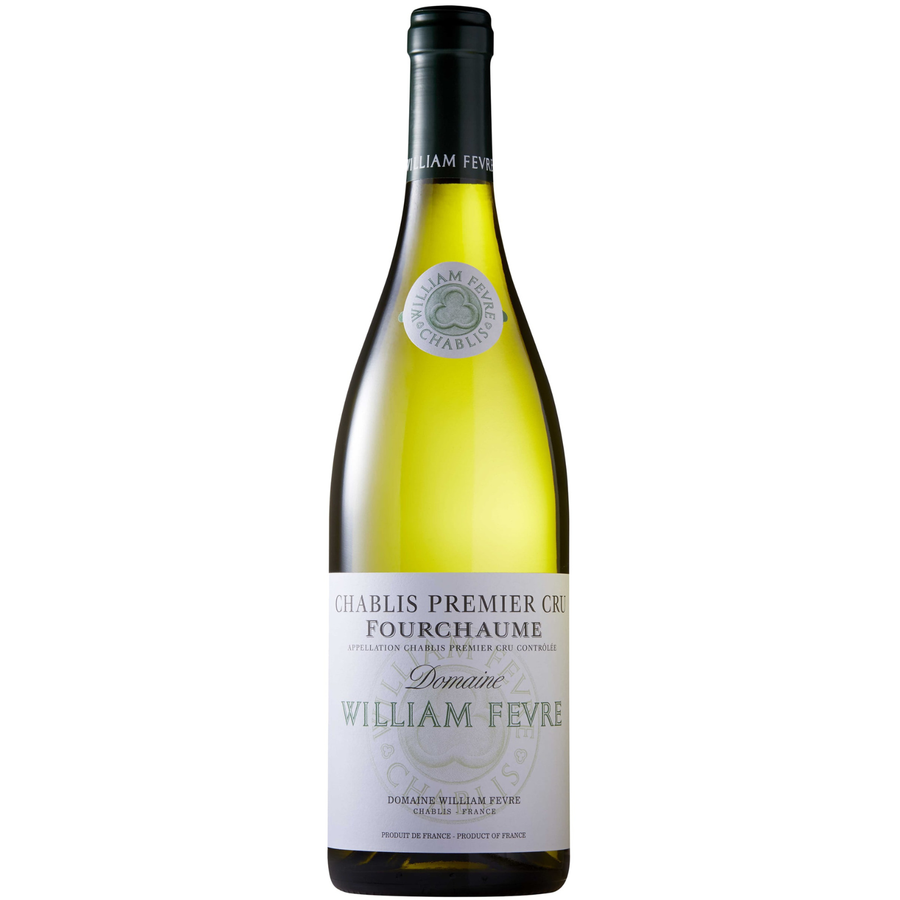
William Fèvre Chablis Burgundy 2022 |
Oaked Chardonnay: Aged in barrels (usually French or American oak). This adds flavors of butter, vanilla, toast, and spice. The wine feels creamier, rounder, and fuller in body. It’s the classic style you’ll find in many California Chardonnays or high-end Burgundy from Côte de Beaune.
Unoaked Chardonnay: Aged in stainless steel or neutral tanks. This keeps the wine fresh, bright, and true to the grape itself. Expect lemon, green apple, and minerality. It’s lighter, zippier, and perfect if you prefer clean, refreshing whites.
Whether you're looking for a crisp weeknight white or a cellar-worthy icon, Chardonnay delivers at every level. Here’s a curated look at the most popular Chardonnay brands from buttery Napa classics to mineral-rich French gems, so you can shop with confidence.
Top-Rated Chardonnay for Collectors & Special Occasions
These are prestige picks built to age, highly rated, and beloved by collectors around the world.
|
Wine |
Region |
Why It Matters |
|
Jean-Claude Ramonet Bâtard-Montrachet Grand Cru 2021 |
Burgundy, France |
One of the most coveted white wines globally is layered, structured, and long-lived. |
|
Ridge Vineyards Estate Chardonnay 2023 |
Santa Cruz Mountains, USA |
Minerality meets elegant oak in this benchmark California Chardonnay. |
|
Marchesi Antinori Cervaro della Sala 2016 |
Umbria, Italy |
Italy’s iconic Chardonnay blend has depth, finesse, and aging potential. |
Looking for value without compromise? These crowd-pleasers are easy to enjoy and perfect for casual sipping or pairing with dinner.
|
Wine |
Region |
What to Expect |
|
Pavette Chardonnay 2023 |
California, USA |
Fresh, fruit-forward, and lightly oaked, a no-fuss favorite. |
|
BloodRoot Chardonnay 2021 |
Sonoma Coast, USA |
Coastal brightness with a creamy edge. Great versatility. |
|
Domaine Louis Moreau Vau Ligneau 2022 |
Chablis, France |
Classic unoaked Chardonnay mineral, zesty, and food-friendly. |
These are oaked, creamy, and rich, ideal for lobster, roast chicken, or when you want a white with red-wine weight.
|
Wine |
Region |
Style Profile |
|
Cakebread Cellars Reserve Chardonnay 2022 |
Carneros, USA |
Creamy texture, vanilla, almond, and lemon curd. |
|
De Morgenzon DMZ Chardonnay 2021 |
Stellenbosch, South Africa |
Peach, tropical fruit, and toasted oak are round and lush. |
Think of this as your ‘value vs. wow’ compass. Whether you’re shopping under $30 or hunting collectible whites, the goal is the same: match the bottle to how (and when) you’ll drink it.
If you want immediate payoff fresh, clean, and satisfying these tiers are where Chardonnay overdelivers.
One of the joys of Chardonnay is that it can be as easygoing as a weeknight dinner wine or as serious as a cellar-worthy treasure. Unlike some grapes that live in a single price lane, Chardonnay stretches across every budget without losing its charm.
You’ll find crisp, unoaked bottles under $20 that refresh like a squeeze of lemon, balanced mid-range picks that deliver both fruit and finesse, and luxurious Grand Crus or single-vineyard gems that collectors chase for their depth and longevity.
Here’s how to navigate the shelves, whether you’re hunting for an affordable gem or a luxury showpiece.
A quick way to shop smart: start here if you want value without feeling like you compromised.
|
Category |
Price Range |
Example |
Style & Notes |
|
Budget |
Under $20 |
Pavette Chardonnay 2023 (California) |
Fresh, unoaked, fruit-forward an everyday white with plenty of charm. |
|
Best Value |
$20–30 |
De Morgenzon DMZ Chardonnay 2021 (South Africa) |
Tropical fruit and citrus are lifted by just enough creamy oak for balance. |
|
Mid-Range |
$30–50 |
Martin Woods Koosah Vineyard Chardonnay 2021 (Eola-Amity Hills, USA) |
Elegant, mineral-driven, with flinty edges and stone fruit precision. |
When Chardonnay gets serious, it can age beautifully gaining hazelnut, brioche, and deeper complexity over time.
These are the bottles you buy for the ‘special dinner’ calendar or to forget in the cellar for a while.
|
Category |
Price Range |
Example |
Style & Notes |
|
Premium |
$50–100 |
Ridge Vineyards Estate Chardonnay 2023 (Santa Cruz Mountains, USA) |
Layered citrus, minerality, and refined oak, classic California elegance. |
|
Collectible |
$100+ |
EnRoute Brumaire Chardonnay 2022 (Russian River Valley, USA) |
Key lime pie meets a creamy texture, lifted by subtle oak. A bottle built to impress. |
Chardonnay has calories, sugar, and alcohol just like any wine. The good news? Most styles are low in sugar, and a glass in moderation can be part of a balanced lifestyle.
Dry Chardonnay: ~0–1 g sugar, lighter in calories.
Oaked/Buttery Chardonnay: ~1–2 g sugar, richer and fuller.
Sweet/Late Harvest Chardonnay: 3–4 g+ sugar, usually dessert wines.
Chardonnay also provides antioxidants and, when enjoyed in moderation, may support heart health. Compared to cocktails or soda, it’s often a lower-sugar, lower-carb choice.
Chardonnay is one of the easiest whites to pair because you can match the style to the dish crisp for fresh, creamy for rich.
The simplest rule: mirror texture. Creamy Chardonnay loves creamy sauces; zippy, unoaked Chardonnay loves bright, briny, or citrusy food.
One reason Chardonnay is so beloved is its flexibility at the table. From crisp, unoaked bottles to rich, buttery icons, it can match light seafood just as well as creamy pastas or roasted chicken. Here’s your go-to pairing guide:
|
Food |
Dish |
Best Chardonnay Style |
Why It Works |
|
Seafood |
Lobster with butter |
Oaked, creamy (Napa, Sonoma) |
The wine’s buttery texture matches the richness of the sauce. |
|
|
Fresh oysters |
Unoaked, crisp (Chablis, Chile) |
Bright acidity highlights the briny freshness. |
|
Poultry |
Roast chicken |
Lightly oaked |
Freshness cuts through the fat, and oak adds depth. |
|
Pasta & Cheese |
Creamy pasta or Brie |
Buttery (California) |
Creamy + creamy = a perfect match. |
|
Vegetarian |
Mushroom risotto |
Medium-bodied |
Smooth texture pairs with earthy flavors. |
Serve lean, mineral Chardonnay cooler (around 7°C / 45°F) and richer, oaked Chardonnay a bit warmer (around 12°C / 55°F) so the aromatics actually show up. If you’ve ever had ‘buttery’ Chardonnay taste muted straight from the fridge, this is why.
Glassware matters more than people admit: a white Burgundy-style glass (a wider bowl than a standard white wine glass) helps concentrate the richer aromas while still keeping the finish clean.
And yes white wines can be decanted. For a young, oak-aged Chardonnay that feels tight, a short 10–15 minute decant can open up the vanilla/toast notes and soften the edges without stripping freshness.
The bottle matters but so does how it’s sourced, stored, and shipped. Here’s what you’re really buying when you order Chardonnay through Mr D Wine.
Picking the right bottle of Chardonnay is only half the story where you buy it matters too. At Mr D Wine, every label is carefully chosen, stored, and shipped so you can sip with confidence. Here’s why shopping with us makes a difference in 2025:
Direct sourcing from wineries and trusted importers means every bottle is authentic and perfectly stored.
Access to rare Chardonnays from Grand Cru Burgundy to single-vineyard Napa and Margaret River icons.
Full transparency: we verify origin, storage, and shipping practices.
Temperature-controlled shipping keeps your Chardonnay safe from heat or cold.
Every order is backed by our quality guarantee bottles are inspected before leaving our cellar.
Reliable delivery across the U.S., whether you’re a collector, a business, or simply shopping for a casual weeknight wine.
Every wine is hand-picked by sommeliers and specialists who know Burgundy, California, and beyond.
Our collection blends famous names (Kendall-Jackson, Domaine Leflaive, Kistler) with hidden gems from boutique producers.
We update regularly based on vintage reports and critic scores, so you always see what’s best right now.
Quick answers to the questions people ask right before they click “add to cart.”
Yes. Chardonnay is one of the three main grapes in Champagne, together with Pinot Noir and Pinot Meunier. What makes Chardonnay special is its fresh citrus flavor, crisp acidity, and the way it ages into something richer and more complex. That’s why so many famous Champagne houses rely on it.
Blanc de Blancs means “white from white grapes,” and in Champagne it’s almost always 100% Chardonnay. These wines taste bright and zesty, with notes of lemon and green apple. As they age, they become creamier, with flavors like brioche, almond, and honey. The best examples come from the Côte des Blancs, a region known for its chalky soils that give the wine a clean, mineral edge.
Most Champagnes are a mix of Chardonnay, Pinot Noir, and Pinot Meunier. Each grape has a job: Chardonnay brings freshness and elegance, Pinot Noir adds structure and power, and Pinot Meunier gives fruitiness and softness. When combined, they create the balance that makes Champagne so unique. That’s why houses like Moët & Chandon or Veuve Clicquot often highlight Chardonnay in their blends.
Q: Is Chardonnay always buttery?
Nope. “Buttery” is a style choice (often malolactic fermentation + some oak), not a guarantee. Plenty of Chardonnay is crisp, citrusy, and mineral, especially unoaked or cooler-climate bottles.
Q: What does “unoaked Chardonnay” taste like?
Think lemon, green apple, and a clean mineral edge. The texture is usually lighter, and the finish feels snappier because oak isn’t adding sweetness or toast notes.
Q: How do I spot an oaked Chardonnay on a label?
Look for words like “barrel-fermented,” “barrel-aged,” or tasting notes mentioning vanilla, toast, butter, brioche, or baking spice. If it says “stainless steel,” it’s usually aiming for the crisp style.
Q: Does Chardonnay get better with age?
Some does especially premium, oak-aged bottles built with structure. With time, fresh fruit shifts toward hazelnut, honey, and brioche-like complexity.
Q: What’s the easiest food pairing to win?
Roast chicken. It’s the perfect middle ground where both crisp and lightly oaked Chardonnay shine.
Q: Is Chardonnay sweet?
Most Chardonnay is dry. Sweet versions exist, but they’re the exception (late-harvest styles) rather than the rule.


 Bottle
 750ml
750ml


 Case (6)






What Our Customers Say