



 Bottle
 750ml




 Half Case (6)


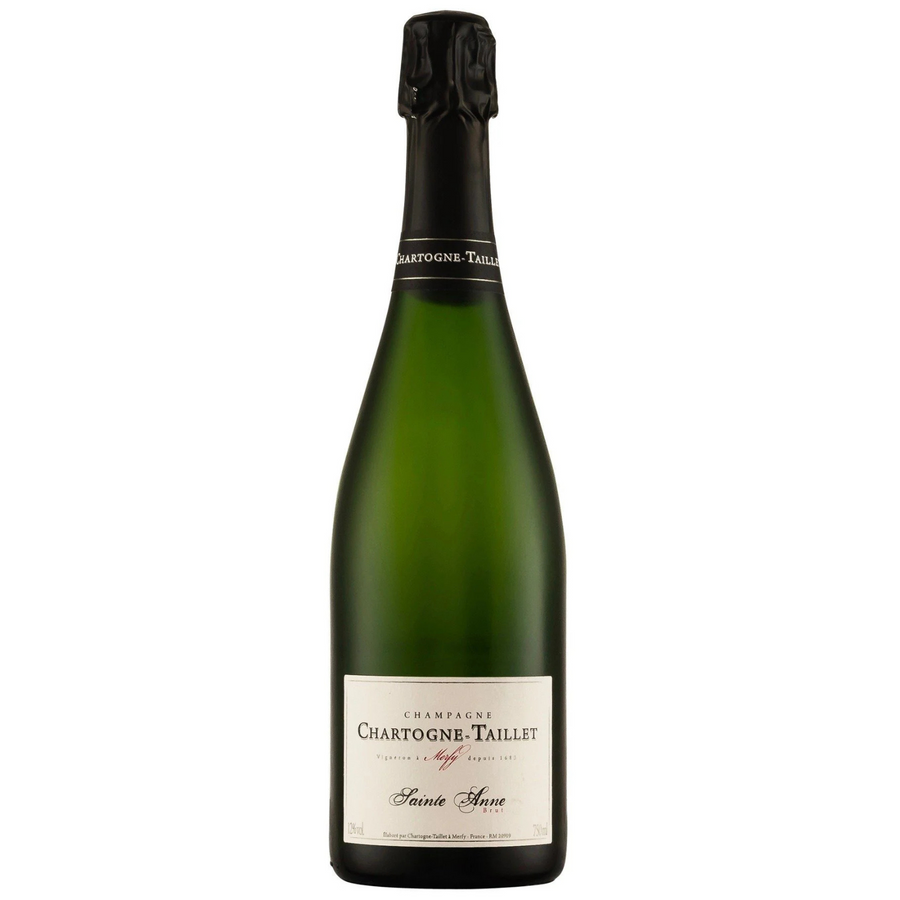
Brut Nature
Zero added dosage
- Citrus
- Chalk
- Green apple
Bone-dry → Brut: 1/5

217 products
Google reviews
Real reviews from people who ordered from Mr.D Wine Merchant.
From our cellar to your door
Great wine deserves a great journey. From selection to your doorstep, we obsess over the details that matter because a bottle is only as good as how it's treated before you open it.
Selection
Tasted and approved by experts who love wine. Not a wall of labels. Just a selection built around styles, pairings, and the moments you actually buy wine for.
Storage
We handle bottles gently and keep them stored carefully. Simple goal: keep your wine in great shape until delivery day.
Delivery
Your bottles are protected for transit, and you can follow the shipment end to end, with responsive support if you need anything.
Content reflects verified standards for labeling, alcohol levels, and serving practices.
Grower Champagne · Buyer's guide
What RM means on the label, what changes in the glass, how much to pay, and which growers to know, so you can move past big houses with confidence.
By Leopoldo "Leo" Monterrey14 min read
The short version, before the details.
Grower Champagne is made by the same family that farms the grapes, rather than a large house that buys fruit from hundreds of growers across the region. About 16,200 growers farm 90% of Champagne's vineyards, but only a fraction of them, the récoltants-manipulants, make and bottle their own wine.
When you see RM on a Champagne label, it means Récoltant-Manipulant: a grower who makes Champagne primarily from grapes grown in their own vineyards, rather than buying most of their fruit from other growers. NM (Négociant-Manipulant) generally means a producer that can buy grapes or wine, like many of the famous Champagne houses. RM is a great clue if you want to discover smaller producers and a more personal expression of their vineyards, but it doesn't automatically mean better Champagne.
Some 360 houses ship more than 70% of all Champagne sold, part of why grower Champagne can feel like its own category even though it's made the same way, in the same region, under the same traditional method.
Pierre Péters was the first grower who really marked me. I don't remember exactly when, where, or which bottle it was.
Leo, Founder & Curator
We don't currently carry Péters. If that name is what brought you here, the Le Mesnil-sur-Oger character that made it special is still in this collection, in Michel Gonet's Blanc de Blancs.
Grower
Farms and bottles
Label code
RM
Villages
319, 17 Grand Cru
Dosage
Often low
Grower Champagne tends to show more village character and more vintage variation than a big house's consistent blend, often with less dosage and a drier finish.
Dosage is the small amount of wine and, usually, sugar added after disgorgement to help establish the final style. Some growers prefer very low dosage because they want the vineyard character, acidity, and texture to show without much additional sweetness. I don't think low dosage is a competition. A beautifully balanced Brut can be more enjoyable than an aggressive Brut Nature. Zero dosage isn't a quality score. It's a stylistic choice.
Brut Nature
Zero added dosage
Bone-dry → Brut: 1/5
Extra Brut
Very low dosage
Bone-dry → Brut: 2/5
Brut
Balanced, classic dosage
Bone-dry → Brut: 4/5
This is a Brut or Extra Brut from an individual producer. Body moves up in Blanc de Noirs and vintage-dated bottles.
RM means the grower farms and bottles mostly their own fruit; NM means the producer can buy grapes or finished wine, which covers many of the famous Champagne houses.
Explore Shop Champagne Bottles Online by Style, Sweetness and Occasion
Some of the greatest Champagnes in the world still come from large houses. Being a grower isn't a guarantee of quality, it's a different model, built around one family's vineyards instead of a blend for consistency.
Explore Shop Champagne Bottles Online by Style, Sweetness and Occasion
Both use the traditional method and age on the lees, but Crémant comes from outside Champagne and ages for fewer months, part of why it usually costs less.
Brut Nature has no added dosage, Extra Brut allows very little, and Brut allows up to 12 g/L. None of the three is automatically the better choice.
Leo's insight
I would never tell a customer that a grower is automatically better than a famous house. In my own selling, if someone is buying Champagne for a business gift, a large celebration, or a person whose preferences they don't know, a recognizable house can be the better choice. There's value in consistency, familiarity, and presentation.
Some of the greatest Champagnes in the world come from large houses. Being a grower isn't a guarantee of quality. If someone enjoys discovering vineyards, villages, and smaller producers, that's when I'd introduce a grower, from my own shelf of favorites. My rule is simple: choose the producer for the person and the occasion, not because the label says RM or NM.
Leo, Founder & Curator
Grower Champagne is made by the same traditional method as any other Champagne, a second fermentation in the bottle with time aging on the lees, just on a much smaller scale, often a single vineyard or a single village instead of a blend across hundreds of growers.
The average grower produces a small fraction of what a large house bottles each year, which is part of why a single vineyard's character comes through so clearly in the glass: there's simply less blending across sites and vintages to smooth it out.
With a Champagne like Gounel-Lassalle Brut Nature, I'd recommend it to someone who already enjoys very dry, precise wines. If a customer loves Chablis, dry Riesling, or oysters with nothing more than a squeeze of lemon, Brut Nature might be a great discovery. But if someone is buying Champagne for the first time, I wouldn't automatically start there.
| Code | What it means | Who grows the grapes | Example in our cellar |
|---|---|---|---|
| RM | Récoltant-Manipulant: grows and bottles mostly their own fruit | The producer, on their own estate | Several growers in this collection, codes pending confirmation |
| NM | Négociant-Manipulant: can buy grapes, must, or finished wine from other growers | Often dozens of growers across many vineyards | Many well-known Champagne houses |
| CM | Coopérative-Manipulant: a cooperative of growers pooling their fruit | A cooperative of member growers | Not currently in this collection |
| RC | Récoltant-Coopérateur: fruit vinified at a cooperative, sold under the grower's name | The grower; winemaking happens at a cooperative | Not currently in this collection |
| SR | Société de Récoltants: a family group of growers | A family or group of growers together | Not currently in this collection |
| ND | Négociant-Distributeur: buys and sells finished wine | Not the grower | Not currently in this collection |
| MA | Marque d'Acheteur: a private label | Varies by buyer | Not currently in this collection |
Le Mesnil-sur-Oger, in the Côte des Blancs, is famous for Chardonnay. With a Champagne like Gonet from Le Mesnil, I'd expect citrus, green apple, chalky minerality, and a very precise, focused structure. It's the kind of Champagne I'd recommend to someone who loves Chablis or very mineral-driven white wines.
Bouzy, in the Montagne de Reims, is particularly famous for Pinot Noir. With a producer like Paul Bara, I'd generally expect more breadth and body, with red apple, ripe orchard fruit, sometimes subtle red berries, and a more generous texture. If Le Mesnil is about precision and tension, Bouzy is often about depth and generosity. Of course, those are village and grape profiles, not guarantees about every bottle.
Gaston Chiquet farms in Dizy, in the Vallée de la Marne, a region built around Pinot Meunier alongside Chardonnay and Pinot Noir, which usually gives a rounder, more immediately fruity Champagne than the Côte des Blancs.
Further south, the Côte des Bar leans heavily on Pinot Noir and sits closer to Burgundy than to Reims. It isn't represented among our current anchors, but it's worth knowing as you explore beyond this collection.
Voirin-Jumel and Michel Gonet are both 100% Chardonnay Blanc de Blancs from the Côte des Blancs, the style to reach for if citrus, chalk, and precision are what you're after.
With a Champagne like Gounel-Lassalle Brut Nature, I'd recommend it to someone who already enjoys very dry, precise wines, rather than someone buying Champagne for the first time.
Rosé and Blanc de Noirs grower Champagne exist too, built around Pinot Noir and Pinot Meunier rather than Chardonnay; see our rosé Champagne guide for more.
Côte des Blancs
Chardonnay
Chalky soil, citrus and mineral tension. Home to Voirin-Jumel in Cramant and Michel Gonet in Le Mesnil-sur-Oger.
Montagne de Reims
Pinot Noir
More body and red fruit. Home to Vilmart in Rilly-la-Montagne and Gounel-Lassalle in Chigny-les-Roses.
Vallée de la Marne
Pinot Meunier
Gaston Chiquet's home, in Dizy.
Petit Morin, Sézannais
Mixed plantings
A. Bergère's home, south of the Marne.
Vilmart & Cie Grande Réserve Premier Cru Brut NV, $73.00. Rilly-la-Montagne. Richer and more structured than most growers at this price.
$ 73.00
Michel Gonet Blanc de Blancs Grand Cru, Le Mesnil-sur-Oger, 2015, $77.13. A single-vintage, single-village Chardonnay, precise and chalky.
$ 77.13
LM
RM is usually printed in small type near the registration number. It's the clue to look for if you specifically want a grower, farming and bottling the wine at their own estate.
In my own shopping, I'd go by village and producer rather than by how luxurious the label looks. Le Mesnil or Bouzy tells you more than most brand names do.
Don't expect price to scale pleasure in a straight line, in my experience. The gains at higher prices get subtler, not necessarily bigger.
My glass of choice is a tulip-shaped glass or a medium-sized white wine glass rather than a narrow flute. My rule is simple: give great Champagne the same attention you'd give a great white wine.
My serving temperature is generally around 46 to 50°F. For a more complex or mature bottle, I might go slightly warmer, around 50 to 54°F, to let the aromas develop.
If someone is buying Champagne for a business gift, a large celebration, or a person whose preferences they don't know, a recognizable house can be the better choice.
Tips by Leo, Founder & Curator
Grower Champagne here runs from $49.99 to $85, with most of the 216 bottles in stock between $50 and $100; only 5 bottles sit under $50.
Voirin-Jumel's Blanc de Blancs Premier Cru, at $49.99, is the one bottle in this range I'd point to with real confidence: traditional method, chalky Côte des Blancs character, at the lowest price in this collection.
Gaston Chiquet, Gounel-Lassalle, Vilmart, and Michel Gonet all land in this range, each built around a different village: Dizy, Chigny-les-Roses, Rilly-la-Montagne, and Le Mesnil-sur-Oger.
Michel Gonet's Blanc de Blancs is a single-vintage, single-village Chardonnay from Le Mesnil-sur-Oger, the kind of bottle where one site and one year show clearly instead of being blended away.
Pierre Péters, no recuerdo. That's what Leo told us when we asked which grower first pulled him away from the big houses: he's certain it was Péters, just not when or where. Péters isn't in this collection today, but the Le Mesnil character that marked him lives on in Michel Gonet.
Voirin-Jumel, Gaston Chiquet, Gounel-Lassalle, Vilmart, and Michel Gonet anchor this collection. A. Bergère and Paul Bara are worth knowing too, each tied to its own village.
An entry point like Voirin-Jumel, traditional method at a lower price
The bulk of this collection, with a named village and producer behind every bottle
A specific site like Michel Gonet's Le Mesnil, not just a regional blend
Older vintages and harder-to-find names worth seeking out
First growerCollector
Voirin-Jumel Blanc de Blancs Premier Cru Brut NV, $49.99. Cramant, Côte des Blancs. The most affordable confident grower here.
$ 49.99
Gaston Chiquet Premier Cru Brut Tradition NV, $59.00. Dizy, Vallée de la Marne. Rounder and fruitier than the Côte des Blancs anchors.
$ 59.00
Gounel-Lassalle Esprit Voyageur Premier Cru Brut Nature NV, $64.00. Chigny-les-Roses. No added dosage, for a drier, more precise style.
$ 64.00
Crisp and chalky, round, rich, or bone-dry?
You want traditional-method Champagne under $50
You want something rounder than a Blanc de Blancs
You want more weight and structure
You already enjoy very dry, precise wines
| Under $50 NV | Voirin-Jumel Blanc de Blancs Premier Cru Brut | Champagne | First grower Gaston Chiquet Premier Cru Brut Tradition, Champagne, France NV | Sommelier pick Vilmart & Cie Champagne Brut 'Grande Réserve' 1er Cru, France NV | Zero dosage NV | Gounel + Lassalle Wine-Rider Esprit Voyageur Premier Cru Brut Nature | Champagne | |
|---|---|---|---|---|
| Style | Crisp and chalky | Round and fruity | Rich and structured | Bone-dry |
| Think of it as | An everyday grower, not a splurge | A friendlier first grower Champagne | A bigger, more vinous grower style | Not a beginner's first Champagne |
| Pair with | Oysters | Roast chicken | Aged Comté | Sushi |
| Choose it if | You want traditional-method Champagne under $50 | You want something rounder than a Blanc de Blancs | You want more weight and structure | You already enjoy very dry, precise wines |
| Add to cart | $ 49.99 | $ 59.00 | $ 73.00 | $ 64.00 |
A Blanc de Blancs from Le Mesnil calls for something precise, like oysters or seared scallops; a Pinot-led Grand Cru from Bouzy can carry a richer dish, like roast chicken.
I generally serve Champagne around 46 to 50°F. For a more complex or mature bottle, I might go slightly warmer, around 50 to 54°F, to let the aromas develop. I prefer a tulip-shaped glass or a medium-sized white wine glass rather than a narrow flute: when I'm opening an interesting grower Champagne, I want to smell everything the wine has to offer. My rule is simple: give great Champagne the same attention you'd give a great white wine.
For a specific food pairing, I'd open Gonet Blanc de Blancs from Le Mesnil with pan-seared scallops, cauliflower purée, and a little brown butter. The Champagne's freshness would balance the richness of the butter, while its texture would complement the scallops.
Oysters
Blanc de Blancs Grand Cru
Chalky minerality echoes the brine, a classic match for Côte des Blancs Chardonnay.
Roast chicken
Pinot-led Grand Cru
More body and red fruit stand up to a richer bird than a Blanc de Blancs would.
Scallops, cauliflower, brown butter
Michel Gonet Blanc de Blancs
The Champagne's freshness balances the butter, while its texture complements the scallops.
Sushi
Brut Nature
Zero dosage and high acidity suit raw fish better than a sweeter style would.
Temperature
46–50°F (8–10°C)
Glass
Tulip or white wine glass
Decant
Not typical; aged vintages briefly
Cellar
NV 2 to 5 years after release; vintage 10-20+
We carry 216 grower Champagnes from small, family-run estates that are genuinely difficult to find in the US, organized by village so you can shop Le Mesnil, Bouzy, or Dizy instead of guessing from a wall of unfamiliar names. Champagne is sensitive to heat and light, and we store ours at a controlled temperature, away from direct light.
How we choose
Stock and pricing confirmed; label codes pending Leo's final check.
By village
Côte des Blancs, Montagne de Reims, Vallée de la Marne, and more.
Storage
Stored at a controlled temperature, away from heat and direct light.
Champagne made and bottled by the same family that farms the grapes, rather than a house that buys fruit from hundreds of growers across the region.
Récoltant-Manipulant: the producer grows the grapes, makes the wine, and sells it under their own name, rather than buying most of their fruit from other growers.
Not automatically. Some of the greatest Champagnes in the world come from large houses. Being a grower is a different model, built around one family's vineyards, not a guarantee of quality.
In small type on the label, usually near the professional registration number.
Not necessarily. Most grower Champagne in this collection sits between $50 and $100, similar to many well-known house Champagnes; only 5 bottles are under $50.
An RM grower makes the wine at their own estate. An RC grower (Récoltant-Coopérateur) has their fruit vinified at a cooperative, then sells the finished wine under their own name.
Shop the guide


