Priorat Wine: A Buyer's Guide
Priorat is one of Spain's two top-tier wine regions, alongside Rioja, and one of the most dramatic vineyard landscapes in Europe. In the hills of Catalonia, southwest of Barcelona, old Garnacha and Cariñena vines grow on steep terraces of black slate called llicorella. The wines are dark, concentrated and mineral, with the structure to age for decades. This guide covers what Priorat tastes like, how the region works, what to pay and which bottles we would open first.
Priorat Wine: Quick Reference
| Feature |
Details |
| Region |
Priorat DOQ (DOCa), Catalonia, northeast Spain |
| Classification |
One of only two DOCa regions in Spain, with Rioja
|
| Key Grapes |
Garnacha and Cariñena (Samsó), often with Syrah, Cabernet Sauvignon or Merlot; Garnacha Blanca for whites |
| Soil |
Llicorella: crumbly black slate and quartzite |
| Style |
Dry, full-bodied reds with ripe dark fruit, minerality and firm tannins |
| Key Flavors |
Black cherry, blackberry, licorice, graphite, wild herbs, pepper |
| Serving Temperature |
60 to 65°F |
| Decanting |
One to two hours for young wines |
| Aging Potential |
5 to 10 years for village wines; 20 years and more for top single vineyards |
| Classic Pairings |
Grilled lamb, beef, game, mushroom dishes, aged Manchego |
Best Priorat Wines to Buy Now
From great-value introductions to the cult estates that put Priorat on the map. All in stock and kept in temperature-controlled storage until they ship.
| Wine |
Style |
Why We Like It |
| Álvaro Palacios Camins del Priorat 2023 |
Red · Entry |
From one of the pioneers of modern Priorat. Racy bramble berry, hibiscus, pomegranate and cherry, juicy and stony. The best way to start. |
| Mas Martinet Menut 2021 |
Red · Entry |
Tobacco, black pepper and wild spice over black cherry and blackberry, with iron and mineral notes. |
| Clos Figueras Serras del Priorat 2023 |
Red · Gratallops |
Cariñena and Garnacha from the slate of Gratallops. Blackberry, plum, Mediterranean herbs and a clear mineral edge, smooth and approachable. |
| Familia Nin-Ortiz Planetes de Nin 2020 |
Red · Porrera |
Garnacha, Garnacha Peluda and Cariñena fermented with whole clusters in large oak foudres. Elegant, ethereal and very fine. |
| Mas Doix Doix Costers de Vinyes Velles 2018 |
Red · Old vines |
A selection of very old vines that shows the classic Priorat style: powerful but balanced, with elegant tannins. |
| Clos Mogador Vinya Classificada 2022 |
Red · Gratallops |
René Barbier's estate, the first in Priorat recognized as a Vinya Classificada. Garnacha, Cariñena, Syrah and Cabernet with rich fruit, herbs and a satiny texture. |
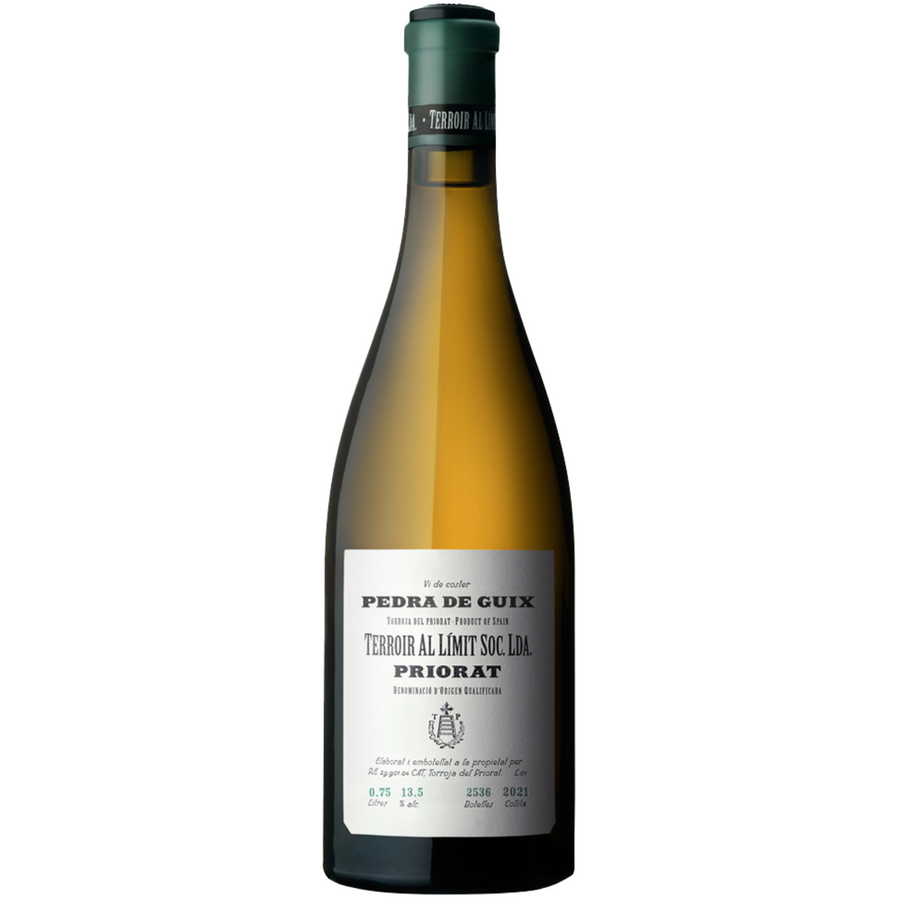
| Terroir al Límit Pedra de Guix 2022 |
White |
Proof that Priorat makes great whites. Honeyed, nutty and herbal, full-bodied and waxy, with a long, pristine finish. |
| Clos Erasmus 2022 |
Red · Icon |
Daphne Glorian's tiny estate in Gratallops, one of the original five and one of Spain's most sought-after wines. |
What Is Priorat Wine?
Priorat is a small, mountainous wine region in Catalonia, about two hours southwest of Barcelona. Monks from the Carthusian monastery of Scala Dei planted vines here in the 12th century, but by the 1980s the region was almost forgotten. In the late 1980s, a small group of winemakers, including René Barbier, Álvaro Palacios, Daphne Glorian and Josep Lluís Pérez, began making powerful, modern wines from its old vines in Gratallops. Within a decade, Priorat had become one of the most celebrated regions in the world.
Today Priorat holds Spain's highest classification, DOQ (Denominació d'Origen Qualificada, the Catalan name for DOCa). It also has its own system of village wines (Vi de Vila) and classified single vineyards (Vinya Classificada and Gran Vinya Classificada), which put the place on the label.
What Does Priorat Taste Like?
Priorat reds are dry, full-bodied and intense. Expect black cherry, blackberry and plum, with licorice, wild herbs, pepper and a distinctive graphite or stony minerality from the slate. Old-vine Garnacha gives ripeness and perfume; Cariñena adds acidity, color and structure. Modern producers increasingly use larger oak, whole clusters and earlier picking, which gives fresher, more elegant wines than the heavily oaked style of the 1990s.
Llicorella: Why the Soil Matters
Llicorella is a dark, crumbly slate mixed with quartzite that breaks into thin, glittering layers. It holds little water, so vines must push their roots deep into the rock, and yields are tiny. The slopes are so steep that much of the work is done by hand or with mules. Low yields and hard soils give Priorat its concentration, freshness and mineral signature.
Priorat Villages to Know
-
Gratallops: The heart of the modern revival, home to Clos Mogador, Clos Erasmus, Clos Figueras and Álvaro Palacios.
-
Porrera: Cooler and higher, with very old Cariñena. Known for perfumed, elegant wines such as Familia Nin-Ortiz.
-
Poboleda and Torroja: High-altitude villages with fresh, refined wines.
-
Bellmunt and El Lloar: Warmer sites that give rich, generous reds.
Priorat Wine Price Guide
-
$25 to $45: Regional blends that show the Priorat style, such as Camins del Priorat, Menut and Serras del Priorat.
-
$45 to $120: Estate and village wines from top producers, including old-vine cuvées and serious whites.
-
$120 and up: Classified single vineyards and icons such as Clos Erasmus, L'Ermita and the great old-vine bottlings.
Priorat Food Pairing and Serving Tips
Priorat's power and minerality call for hearty food: grilled or roast lamb, beef, venison, wild boar, mushroom dishes and aged cheeses such as Manchego. Serve at 60 to 65°F and decant young wines for an hour or two. Priorat whites, made from Garnacha Blanca, are excellent with roast chicken, pork and rich seafood.
Priorat vs Montsant
Montsant wraps around Priorat like a ring and grows the same Garnacha and Cariñena, but on more varied soils of clay, limestone and granite. Its wines are usually softer, fruitier and much less expensive, making Montsant a great everyday alternative. Explore more from Spain in our Spanish red wine collection, or try Monastrell from Jumilla.
Frequently Asked Questions About Priorat Wine
What is Priorat wine?
Priorat is a red wine, and sometimes white, from the Priorat DOQ in Catalonia, Spain. It is usually a blend of Garnacha and Cariñena grown on steep slopes of black slate called llicorella.
What grapes are used in Priorat?
Garnacha and Cariñena are the main grapes, often blended with small amounts of Syrah, Cabernet Sauvignon or Merlot. Whites are made mainly from Garnacha Blanca.
What does Priorat wine taste like?
Priorat is dry and full-bodied, with black cherry, blackberry, licorice, wild herbs and a stony, mineral finish from the slate soils.
Why is Priorat wine so expensive?
The slopes are extremely steep, much of the work is done by hand, and the old vines on slate produce very small yields. Top wines also come from tiny single vineyards.
Is Priorat better than Rioja?
They are different styles. Rioja is built on Tempranillo and is more elegant and savory, with long oak aging. Priorat is built on Garnacha and Cariñena and is more powerful, concentrated and mineral. Both are DOCa, Spain's highest classification.
How long can you age Priorat?
Entry-level Priorat is enjoyable within 5 to 10 years. Top estate and single-vineyard wines can age for 20 years or more.
What is the difference between Priorat and Montsant?
Montsant surrounds Priorat and grows the same grapes, but on more varied soils. Montsant wines are usually softer, fruitier and more affordable.









 Bottle
 750ml


 Half Case (6)




What Our Customers Say