Spanish Red Wine: A Buyer's Guide
Spain has more land under vine than almost any country on earth, and its red wines offer some of the best value in the wine world. From the long-aged Tempranillo of Rioja to the dark, mineral Garnacha of Priorat and the sun-soaked Monastrell of Jumilla, Spanish red wine covers every style and budget. This guide explains the main regions and grapes, the labels to look for, the best dry Spanish red wine for sangria, and the bottles we would open first.
Spanish Red Wine: Quick Reference
| Feature |
Details |
| Top Regions |
Rioja, Ribera del Duero, Priorat, Toro, Bierzo, Jumilla, Navarra
|
| Main Grapes |
Tempranillo, Garnacha, Monastrell, Mencía, Bobal, Cariñena, Graciano |
| Sweetness |
Almost always dry |
| Styles |
Fresh and fruity Joven, oak-aged Crianza, Reserva and Gran Reserva, and powerful modern reds |
| Key Flavors |
Cherry, plum, blackberry, vanilla, leather, tobacco, dried herbs, black pepper |
| Serving Temperature |
60 to 65°F; young Joven and Garnacha slightly cooler, around 58°F |
| Classic Pairings |
Roast lamb, jamón, chorizo, paella, grilled steak, Manchego |
Best Spanish Red Wines to Buy Now
A short list from across Spain, from great-value Ribera to old-vine Priorat. Every bottle is in stock and kept in temperature-controlled storage until it ships.
| Wine |
Region and Grape |
Why We Like It |
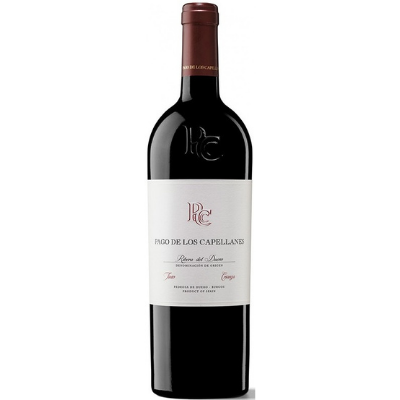
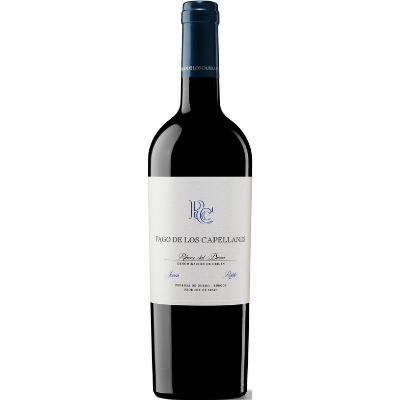
| Pago de los Capellanes Crianza 2022 |
Ribera del Duero · Tempranillo |
Elegant and medium-bodied, with ripe cherry and raspberry, a touch of vanilla and spice, and fine tannins. An easy introduction to Ribera. |
| Dominio del Águila Reserva 2019 |
Ribera del Duero · Tempranillo blend |
Aromatic and spicy, with a balsamic edge, solid structure and beautifully integrated oak. Fresh, elegant and intense at once. |
| La Rioja Alta Gran Reserva 904 |
Rioja Alta · Tempranillo and Graciano |
The classic aged Rioja. Clove, licorice, tobacco leaf and cigar box over a creamy, seamless palate and a very long finish. |
| Familia Nin-Ortiz Nit de Nin Mas d'en Caçador 2016 |
Priorat · Garnacha and Cariñena |
From vines 78 to more than 100 years old in Porrera. Ripe and Mediterranean but never heavy, with fine tannins and subtle minerality. |
| Clos Figueras Font de la Figuera 2022 |
Priorat · Garnacha blend |
Garnacha, Cariñena, Cabernet and Syrah from Priorat's slate soils. Polished and balsamic, with a sleek palate and bright acidity. |
| Raúl Pérez Ultreia de Paluezas 2022 |
Bierzo · Mencía |
A tiny limestone parcel in a region of slate. Floral, red-fruited and velvety, with very fine, chalky tannins. More Burgundy than Rhône. |
| Dominio del Bendito Las Sabias 2022 |
Toro · Tinta de Toro |
Plum and blackberry with vanilla and spice, smooth tannins and balanced acidity. Toro's power with real polish. |
| Bodegas Cerrón La Servil 2023 |
Jumilla · Monastrell |
Aged in large foudres. Wild herbs, thyme and dried flowers, dry and chalky, with a fine line of freshness. |
Best Dry Spanish Red Wine for Sangria
The best red wine for sangria is dry, fruity and low in tannin, with little or no oak. Heavy oak and firm tannins turn bitter when mixed with fruit and citrus, so skip the Reserva and save it for dinner. Look for a young Garnacha or a Joven Tempranillo in the $15 to $20 range: they have bright red fruit, fresh acidity and enough body to carry the fruit and brandy.
| Wine |
Why It Works for Sangria |
|
Bodegas Aroa Le Naturel · Navarra |
Medium-bodied cherry, raspberry and blackberry with a hint of violet. Juicy and dry, with soft tannins. |
|
Eduardo Garrido Joven · Rioja |
100% Tempranillo bottled young and unoaked to keep its fresh fruit. Clean, bright and violet-scented. |
|
Josep Grau L'Efecte · Montsant |
Garnacha-led and full of dark berry fruit, with supple tannins that blend easily with citrus and stone fruit. |
|
Bodegas Fariña Lágrima · Toro |
Fruity and fresh, with cassis and lively tannins. A good pick if you like a darker, richer sangria. |
Simple Red Sangria
Combine one bottle of dry Spanish red with half a cup of Spanish brandy, a quarter cup of orange liqueur, two tablespoons of sugar, one sliced orange, one sliced lemon and one diced apple. Stir, chill for at least two hours, then top with sparkling water and serve over ice.
Spanish Red Wine Regions
-
Rioja: Spain's most famous red. Tempranillo-based blends labeled by aging time: Crianza, Reserva and Gran Reserva. Elegant, savory and ready to drink on release.
-
Ribera del Duero: High plateau vineyards along the Duero River. Tempranillo (called Tinto Fino here) that is darker, more concentrated and more structured than Rioja. Home to Vega Sicilia and Pingus.
-
Priorat: Steep Catalan hillsides of black slate (llicorella). Old-vine Garnacha and Cariñena with power, minerality and great aging potential. One of only two DOCa regions in Spain, along with Rioja.
-
Toro: Hot, dry and west of Ribera. Its own Tempranillo, Tinta de Toro, makes bold, ripe and full-bodied reds.
-
Bierzo: Green, cool northwest Spain. Mencía here is floral, fresh and medium-bodied, often compared to Pinot Noir or Cabernet Franc.
-
Jumilla and the Southeast: Warm Mediterranean country for Monastrell (Mourvèdre), with dark fruit, wild herbs and excellent value.
-
Navarra and Utiel-Requena: Juicy Garnacha from Navarra, and rustic, dark-fruited Bobal from Valencia's high plateau.
Spanish Red Grapes to Know
-
Tempranillo: Spain's signature grape. Cherry, plum, leather and tobacco, with medium to full body. Known as Tinto Fino in Ribera and Tinta de Toro in Toro.
-
Garnacha: Ripe strawberry, raspberry and spice. Light and juicy when young, powerful and mineral from old vines in Priorat.
-
Monastrell: Dark, warm and herbal, with blackberry and black pepper.
-
Mencía: Floral and fresh, with red cherry and gentle tannins.
-
Graciano and Cariñena (Mazuelo): Blending grapes that add color, acidity and perfume.
Spanish Wine Labels: Joven, Crianza, Reserva and Gran Reserva
Many Spanish regions label red wine by how long it aged before release. The exact rules vary by region; these are the national minimums.
-
Joven: Young wine with little or no oak. Fresh, fruity and the best choice for sangria.
-
Crianza: At least 2 years of aging, with 6 months or more in oak (Rioja and Ribera require a full year).
-
Reserva: At least 3 years of aging, with at least 1 year in oak.
-
Gran Reserva: At least 5 years of aging, with at least 18 months in oak (2 years in Rioja and Ribera). Traditionally made only in strong vintages.
Spanish Red Wine Price Guide
-
Under $20: Joven Tempranillo, Garnacha, Monastrell and Crianza. Everyday wines and the best for sangria.
-
$20 to $50: Quality Crianza and Reserva from Rioja and Ribera, plus top Toro, Bierzo and Jumilla.
-
$50 to $100: Gran Reserva, old-vine Priorat and single-vineyard wines.
-
$100 and up: Icons such as Vega Sicilia, Pingus and the great Priorat estates.
Spanish Red Wine Food Pairing
Spanish reds are made for food. Young Joven and Garnacha suit tapas, jamón, pizza and grilled chicken. Crianza and Reserva Rioja are perfect with roast lamb, chorizo and paella with meat. Ribera, Toro and Priorat stand up to grilled steak, beef stews and aged Manchego. Monastrell loves barbecue and spiced dishes, and Mencía is excellent with roast pork, mushrooms and salmon.
Why Buy Spanish Red Wine From Mr D Wine?
We work with importers and estates across Spain, from historic Rioja houses to small growers in Bierzo and Priorat, and every bottle is kept in temperature-controlled storage until it ships. Explore more of Spain in our Spanish wines collection, or try our Spanish white wines and Basque Txakoli.
Frequently Asked Questions About Spanish Red Wine
What is the best Spanish red wine?
It depends on your style. For classic, aged elegance, choose a Rioja Reserva or Gran Reserva. For power and concentration, choose Ribera del Duero or Toro. For mineral, old-vine Garnacha, choose Priorat. For a lighter, floral red, try Mencía from Bierzo.
What is the best Spanish red wine for sangria?
Use a dry, fruity, unoaked or lightly oaked red with soft tannins, such as a young Garnacha or a Joven Tempranillo. A bottle in the $15 to $20 range is ideal. Avoid heavily oaked Reserva wines, which turn bitter when mixed.
Are Spanish red wines dry?
Yes. Almost all Spanish red wine is made in a dry style, from fresh Joven to long-aged Gran Reserva.
What grape is Spanish red wine made from?
Tempranillo is the most planted red grape, followed by Garnacha and Monastrell. Mencía, Bobal, Cariñena and Graciano are also important.
What is the difference between Rioja and Ribera del Duero?
Both are built on Tempranillo. Rioja is usually more elegant and savory, with longer oak aging. Ribera del Duero, from a higher, more extreme climate, tends to be darker, riper and more concentrated.
What does Crianza mean on a Spanish wine?
Crianza means the wine aged at least two years before release, with part of that time in oak barrels. Reserva and Gran Reserva age longer.
What is a good Spanish red wine under $20?
Look for young Garnacha from Navarra or Montsant, Joven Tempranillo from Rioja, or Monastrell from Jumilla. They offer bright fruit and great value for everyday drinking.
Should Spanish red wine be served chilled?
Serve most Spanish reds slightly below room temperature, at 60 to 65°F. Young, fruity Joven and Garnacha are even better a little cooler, around 58°F.









 Half Case (6)
 750ml

 Bottle








What Our Customers Say