Veneto Wine Buyer's Guide: Amarone, Valpolicella, Soave and Prosecco
Veneto wine comes from northeast Italy, between Lake Garda, the Dolomites and Venice, and it is one of the country's most productive and varied regions. The hills north of Verona make Valpolicella, Ripasso and Amarone from dried grapes; the volcanic hills to the east make Soave from Garganega; and the slopes of Conegliano and Valdobbiadene make Prosecco. This guide explains the styles, how they're made and which bottles to buy at every price.
Veneto Wine: Quick Reference
| Feature |
Details |
| Location |
Northeast Italy, from Lake Garda and Verona east to Venice and north to the Dolomites |
| Key red grapes |
Corvina, Corvinone, Rondinella, Molinara, Oseleta |
| Key white grapes |
Garganega (Soave), Glera (Prosecco), Pinot Grigio, Trebbiano di Soave |
| Signature technique |
Appassimento: drying grapes for months before pressing, used for Amarone and Recioto |
| Main wines |
Valpolicella, Valpolicella Ripasso, Amarone della Valpolicella, Recioto, Soave, Prosecco |
| Red style ladder |
Valpolicella (light, fresh) → Ripasso (rounder) → Amarone (rich, powerful) |
| Serving temperature |
Valpolicella 55 to 60°F; Ripasso and Amarone 60 to 65°F; Soave and Prosecco 42 to 50°F |
| Best with |
Risotto, braised meats, aged cheeses, seafood, antipasti |
Veneto Wines in Stock by Style
| Style |
What to expect |
Bottles to try |
| Valpolicella |
Light to medium red, sour cherry, herbs, bright acidity |
Tedeschi 'Capitel Nicalò' Valpolicella Superiore, Clementi Valpolicella Classico, Tommaso Bussola 'Ca' del Laito'
|
| Ripasso |
Rounder and deeper, dark cherry, plum, spice |
Monte Faustino 'Corte Bure' Ripasso, Sartori 'Regolo' Ripasso, Torre Mastio Ripasso Classico Superiore
|
| Amarone |
Full-bodied and dry, dried cherry, raisin, chocolate, spice |
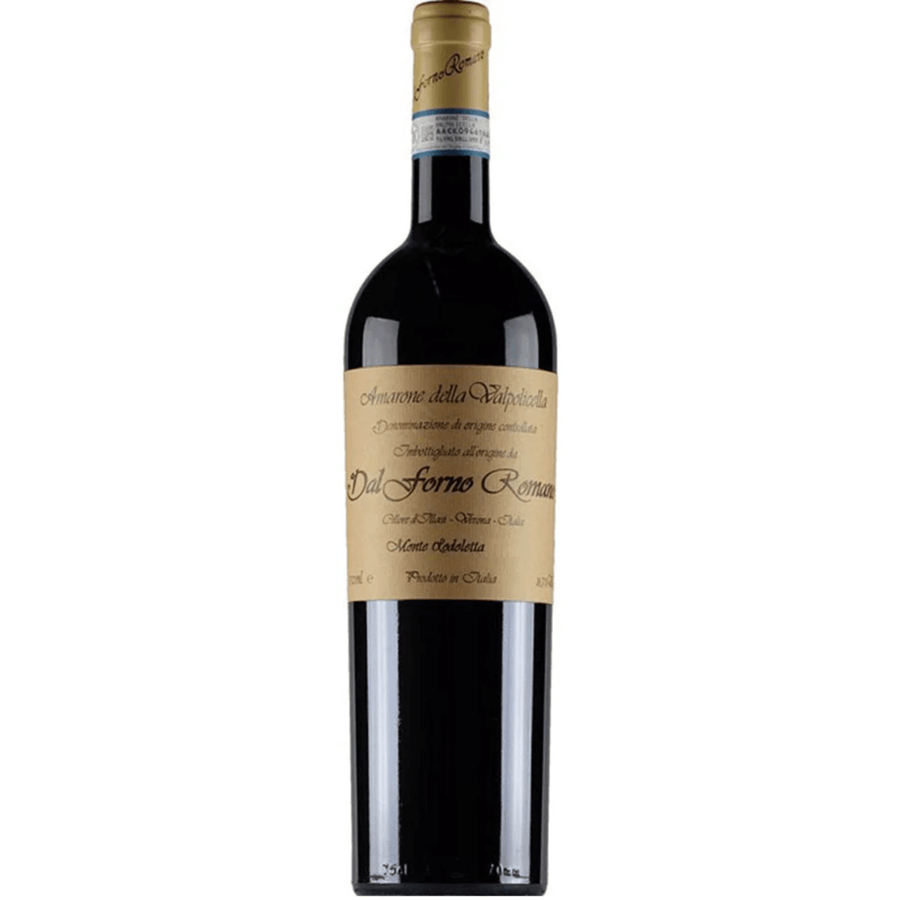
Masi Costasera, Mazzi 'Punta di Villa', Allegrini Amarone Classico, Dal Forno Romano 'Monte Lodoletta'
|
| Recioto |
Sweet red from dried grapes |
Sartori 'Rerum' Recioto della Valpolicella |
| Soave |
Dry white, almond, white flowers, citrus, mineral |
Bertani Soave Classico Vintage Edition, Corte Giacobbe Soave Superiore 'Runcata'
|
| Prosecco |
Sparkling, green apple, pear, white flowers |
Le Vigne di Alice 'Doro' Nature, Nino Franco 'Riva di San Floriano'; see all Prosecco
|
| Pinot Grigio |
Light, crisp everyday white |
Bennati 'I Gadi' Pinot Grigio |
Looking for the rest of Italy? Browse our Italian wines or read our vino italiano guide.
Valpolicella: The Heart of Veneto Red Wine
Valpolicella is the hill country just north of Verona, a series of valleys running down toward the city. The historic Classico zone covers the western valleys around Fumane, Marano and Negrar, with Valpantena and the eastern valleys beyond. The main grape is Corvina, supported by Corvinone and Rondinella, with small amounts of Molinara, Oseleta and other native varieties.
All of Valpolicella's red wines come from these same grapes. What changes is how they are made, and that gives the region a clear ladder of styles from light and fresh to rich and powerful.
Valpolicella
Basic Valpolicella is a light to medium-bodied red with sour cherry, red berries, herbs and bright acidity. Served slightly cool, it's the everyday red of Verona. Superiore has a little more alcohol and a minimum of one year of aging, so it's fuller.
Valpolicella Ripasso
Ripasso means "repassed." After the Amarone grapes are pressed, the young Valpolicella is refermented on the dried skins left behind. It picks up color, body and a touch of dried-fruit richness while keeping Valpolicella's freshness. Ripasso is the sweet spot of the region: rounder and deeper than Valpolicella, but far more affordable than Amarone and easy to pair with food.
Amarone della Valpolicella
Amarone is made from grapes that are picked and then dried for several months in airy lofts, a process called appassimento. The grapes lose a large share of their water, concentrating sugar, flavor and color, and are then fermented fully dry. The result is a powerful red, usually 15% alcohol or more, with dried cherry, raisin, chocolate, tobacco and spice, a velvety texture and a long finish. Amarone must age at least two years before release, and longer for Riserva.
Amarone is one of Italy's great wines, but it's not where I start most people. It's rich, concentrated and distinctive, but it doesn't represent how most Italians drink wine every day. If you love rich, round reds, start with a Valpolicella Ripasso, then move up to Amarone for a special dinner.
Recioto della Valpolicella
Recioto is the older, sweet version of the same idea: dried grapes whose fermentation stops before all the sugar is used. Amarone, whose name comes from amaro, "bitter," began as the dry alternative to Recioto. Serve Recioto with dark chocolate, dried fruit or blue cheese.
Soave: Veneto's Great White
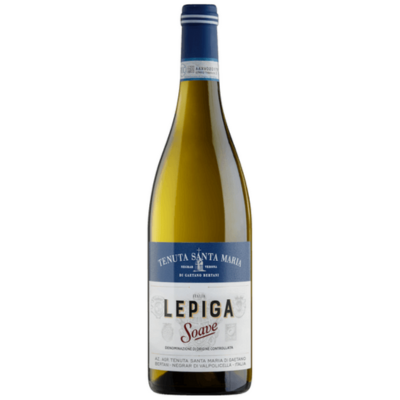
Soave comes from the hills east of Verona, where volcanic and limestone soils give the Garganega grape a distinctive mineral edge, often blended with a little Trebbiano di Soave. Good Soave Classico is dry and textured, with almond, white flowers, citrus and a saline finish, and the best single-vineyard bottlings age for years. Forget the cheap Soave of the past; from serious producers it's one of Italy's best-value whites. Try Bertani's Soave Classico.
Prosecco: How to Choose a Good Bottle
Prosecco is made mainly from the Glera grape, with the second fermentation usually in pressurized tanks, which keeps the fruit fresh: green apple, pear and white flowers. Not all Prosecco is the same:
-
Prosecco DOC covers a large area across the Veneto and Friuli and makes easy, everyday sparkling wine.
-
Conegliano Valdobbiadene Prosecco Superiore DOCG comes from the steep hills between those two towns and is the step up in quality.
-
Rive on the label means a single village or slope within the DOCG, and Cartizze is its most famous hill.
Watch the sweetness terms: Brut is the driest common style, while Extra Dry is actually a little sweeter than Brut. For a serious Prosecco, try Nino Franco 'Riva di San Floriano' or the bone-dry Le Vigne di Alice 'Doro' Nature.
Veneto Wine Price Guide
Under $30: Everyday Veneto
Valpolicella, Pinot Grigio, Soave and Prosecco. Fresh, food-friendly wines for weeknights and aperitivo, like Tedeschi 'Capitel Nicalò' or Le Vigne di Alice 'Doro'.
$30 to $60: Ripasso, Top Soave and Entry Amarone
This is where Veneto gives the most value: Ripasso, single-vineyard Soave, Prosecco Superiore from named slopes and well-made Amarone from good producers, like Giuliano Rosati or Torre Mastio.
$60 and Above: Classic and Cult Amarone
Benchmark Amarone from established houses like Masi, Mazzi and Allegrini, up to cult producers like Dal Forno Romano, whose long-aged wines are among the most sought after in Italy. These are wines for the cellar and a serious meal.
Veneto Food Pairing and Serving
-
Valpolicella: serve slightly cool, around 55 to 60°F, with pizza, pasta, cured meats or grilled chicken.
-
Ripasso: risotto all'Amarone, lasagna, burgers and roast pork.
-
Amarone: braised beef, short ribs, game, osso buco and aged Parmigiano-Reggiano or Monte Veronese. Open it an hour ahead or decant it, and serve at 60 to 65°F.
-
Soave: seafood risotto, grilled fish, vegetable dishes and soft cheeses.
-
Prosecco: antipasti, fried snacks, prosciutto and brunch.
Frequently Asked Questions About Veneto Wine
What wine is the Veneto known for?
The Veneto is best known for Amarone, Valpolicella and Ripasso reds from the hills north of Verona, Soave whites from Garganega, and Prosecco sparkling wine. It is also a major producer of Pinot Grigio.
What is the difference between Valpolicella, Ripasso and Amarone?
All three come from the same grapes, led by Corvina. Valpolicella is light and fresh; Ripasso is Valpolicella refermented on Amarone skins, making it rounder and deeper; Amarone is made from dried grapes and is rich, powerful and dry.
What does appassimento mean?
Appassimento is the Veneto tradition of drying grapes for several months after harvest before pressing them. The grapes lose water and concentrate sugar and flavor. It is used to make Amarone and the sweet Recioto.
Is Amarone sweet?
No. Amarone is fermented dry, though its ripe dried-fruit flavors and high alcohol can feel generous. The sweet version made from the same dried grapes is called Recioto della Valpolicella.
How long can you age Amarone?
Good Amarone drinks well from about five years after the vintage, and top bottles can develop for 15 to 20 years or more. Ripasso is best within five to eight years.
What grape is Soave made from?
Soave is made mainly from Garganega, sometimes blended with Trebbiano di Soave. The best come from the Classico hills east of Verona.
Is Extra Dry Prosecco drier than Brut?
No. Despite the name, Extra Dry Prosecco is slightly sweeter than Brut. If you want the driest style, look for Brut, Extra Brut or Brut Nature.
What food goes with Amarone?
Amarone pairs best with rich dishes: braised beef, short ribs, game, osso buco, risotto all'Amarone and aged hard cheeses like Parmigiano-Reggiano.









 Bottle
 750ml


 Case (12)






What Our Customers Say