

Dessert Wines: Sweet, Elegant & Perfectly Balanced
258 products
258 products


Great wine deserves a great journey. From selection to your doorstep, we obsess over the details that matter because a bottle is only as good as how it's treated before you open it.

Tasted and approved by experts who love wine. Not a wall of labels. Just a selection built around styles, pairings, and the moments you actually buy wine for.

We handle bottles gently and keep them stored carefully. Simple goal: keep your wine in great shape until delivery day.

Your bottles are protected for transit, and you can follow the shipment end to end, with responsive support if you need anything.
Author

Founder & Curator
Wine entrepreneur with 25+ years of global industry experience.
This Buyer's Guide is curated by MR.D Wine based on decades of tasting, sourcing, and importing experience across leading wine regions. Content reflects verified standards for labeling, alcohol levels, and serving practices.
Information checked against official resources from U.S. Alcohol and Tobacco Tax and Trade Bureau (TTB);Wine Institute (USA);International Organisation of Vine and Wine (OIV)

"The best sweet wines aren't about sugar. They're about acidity, balance, and texture. Once you understand that, the whole category opens up." Leopoldo Monterrey, Founder, Mr D Wine
If you've ever stood in a wine shop wondering whether dessert wine is worth your money, or whether it's just sugary leftover stuff that gets opened at Christmas and finished in March, this guide is for you. After 25 years of sourcing wine across France, Portugal, Italy, Germany, and Hungary, I can tell you with certainty: dessert wine is one of the most misunderstood categories in the American market, and one of the most rewarding once you know what to look for.
Dessert wines are wines made with intentional residual sugar, achieved through one of five techniques: noble rot, fortification, late harvesting, drying the grapes after harvest, or freezing them on the vine. That's the technical answer. The real answer is that "dessert wine" is a misleading umbrella that covers wines as different from each other as Champagne is from Cabernet.
I was around 18 the first time dessert wine clicked for me. I was in France, and what I tasted that day didn't feel like dessert at all. It felt like a category of wine I hadn't known existed. The producer wasn't trying to make something sweet. They were trying to concentrate flavor, and the sweetness was a consequence, not the goal.
That's the right way to think about this whole category. Great dessert wines are not "sweeter wine." They're concentrated wine, where sugar is one element among acidity, texture, aromatic complexity, and the producer's intent. The framing matters because most American buyers approach this category looking for "how sweet" instead of "how balanced." Once you flip that question, you start picking better bottles.

Most "dessert wines" content treats the category as one big sweet blob. That's not how I taste it, and it's not how you should buy it. Each family has its own sensory signature, and once you can distinguish them, you stop overpaying for one when you wanted the other.
Rich, honeyed, complex. The dominant notes are apricot and saffron, with a layer of waxy texture that comes from the noble rot. Good botrytized wines have a tension between sweetness and acidity that keeps them from being cloying. A great one, like an older Château d'Yquem, develops something close to dried orange peel and toasted almond over time.
I tasted a very old bottle of d'Yquem once that recalibrated everything I thought I knew about sweet wine. It wasn't about the sweetness at all by that point. It was about the way the wine kept unfolding in the glass for an hour, changing aromatics every time you came back to it. That's what a great botrytized wine can do.
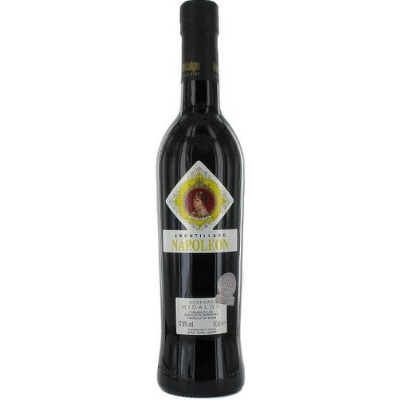
Stronger, warming, intense. The added alcohol gives them a weight and persistence you don't find in unfortified sweet wines. Port leans toward dried fig, cocoa, and dark fruit. PX Sherry is the closest thing to drinking concentrated raisin syrup, with notes of fig, date, and molasses. Madeira is the most savory of the three: nutty, oxidative, with a sharp acidity that cuts through the sweetness even at the richest tier.
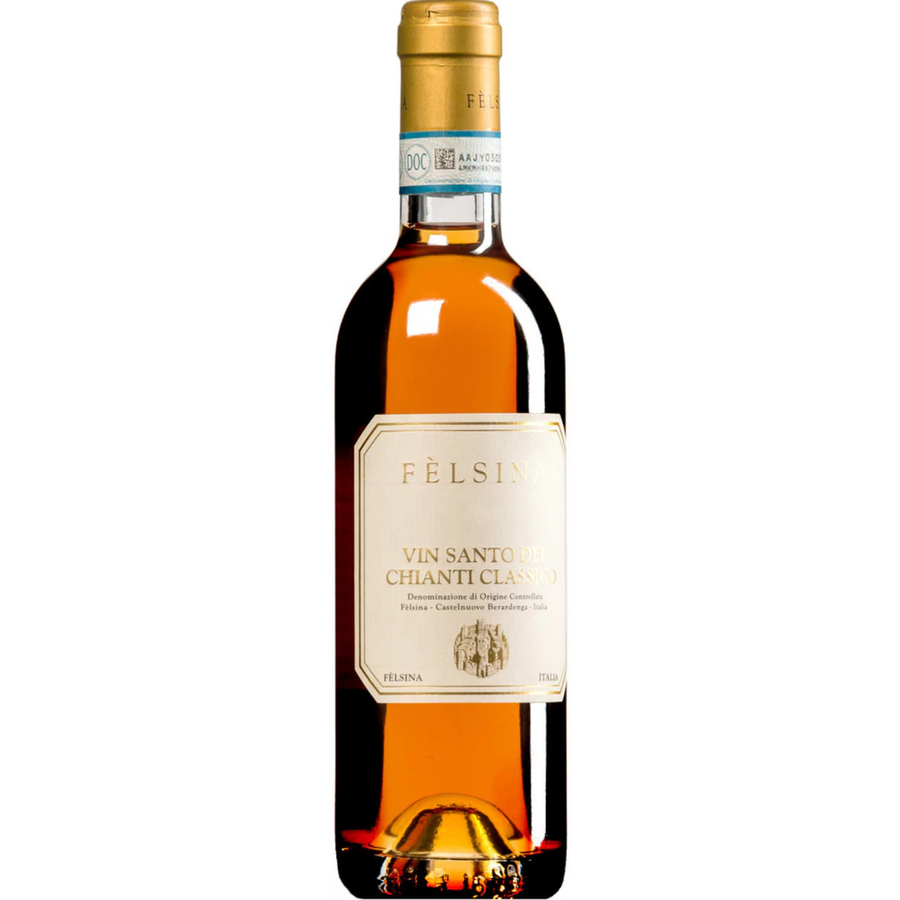
Sweet and luscious, but usually less rich than botrytized wines. Late-harvest Riesling tends toward fresh peach, honeysuckle, and white flowers. Vin Santo and Recioto are raisiny, dried-fruit forward, with a warm caramel undertone. These are quieter wines than Sauternes or Port. They reward attention more than they demand it.
Fresh, playful, fizzy, low in alcohol. Moscato d'Asti is one of the most charming wines in the world when it's done right: aromatic peach, white flowers, a soft sparkle, and rarely above 6% alcohol. Brachetto d'Acqui is the red cousin, with strawberry and rose petal notes. These are not "serious" wines in the cellar-builder sense, but they create more joy at a dinner party than wines five times their price.
Here's something I've watched for 25 years: American wine buyers treat sweetness itself as a sign of lower quality. Not "this wine is poorly balanced" or "this wine is too cloying." Just sweetness as a category, written off.
That framing comes from a real place. It comes from grocery-store Moscato, sticky pairings, and overripe bulk wines labeled "sweet red." Most Americans have had bad sweet wine, so they've concluded all sweet wine is bad. That's a reasonable response to bad data, but it's the wrong conclusion.
The truth is that the best sweet wines are not about sugar. They're about acidity, balance, and texture. A great Sauternes has more acid than most dry white wines. A great Mosel Auslese is more vibrant than most California Chardonnays. A great old Madeira has a finish that lasts longer than most red Burgundies. Sweetness is the entry door, not the whole house.
When a customer tells me they don't like sweet wine, I ask them a different question: "Do you dislike sweetness, or do you dislike wines that feel heavy and sugary?" Almost every time, it's the second one. And the moment we name that, the whole category opens up. Because most great dessert wines are not heavy. They're concentrated and balanced. The best ones drink lighter than their reputation.
If you're someone who's been writing off this whole category, my suggestion is to start with a Moscato d'Asti or a German Riesling Auslese before you go anywhere near a heavy Port. You're looking for the wine that proves to you that sweetness and freshness can coexist. Once you find that wine, the rest of the category starts making sense.

Each production method produces a distinct style. Understanding the technique helps you predict the wine before you open it.
A specific fungus, Botrytis cinerea, attaches to ripe grapes in regions with morning fog and afternoon sun. It punctures the grape skin and dehydrates the fruit from the inside, concentrating sugar, acidity, and a distinct aromatic compound that smells like honey, apricot, and saffron. Sauternes, Tokaj, and the best parts of the Rhine and Mosel valleys are the world's classic botrytis regions because they have the exact microclimate the fungus needs. The trade-off is brutal: each vine produces a fraction of what it would in a dry-wine year, and the harvest happens grape by grape. That's why even modest Sauternes feels like it should cost more.
Fortified wines have neutral grape spirit added during fermentation, killing the yeast before it can convert all the sugar into alcohol. The result is a wine that's higher in alcohol (usually 17-22%) and retains varying levels of residual sweetness. Port is fortified during fermentation, which preserves more sugar. Sherry is generally fortified after fermentation, which is why most styles are dry, with PX being the famously sweet exception. Madeira is the most fascinating of the three because of what happens after fortification: the wine is deliberately heated and oxidized, either in greenhouses (estufa) or in attic cellars (canteiro). That heat treatment is what gives Madeira its signature nutty, caramelized, almost-immortal character.
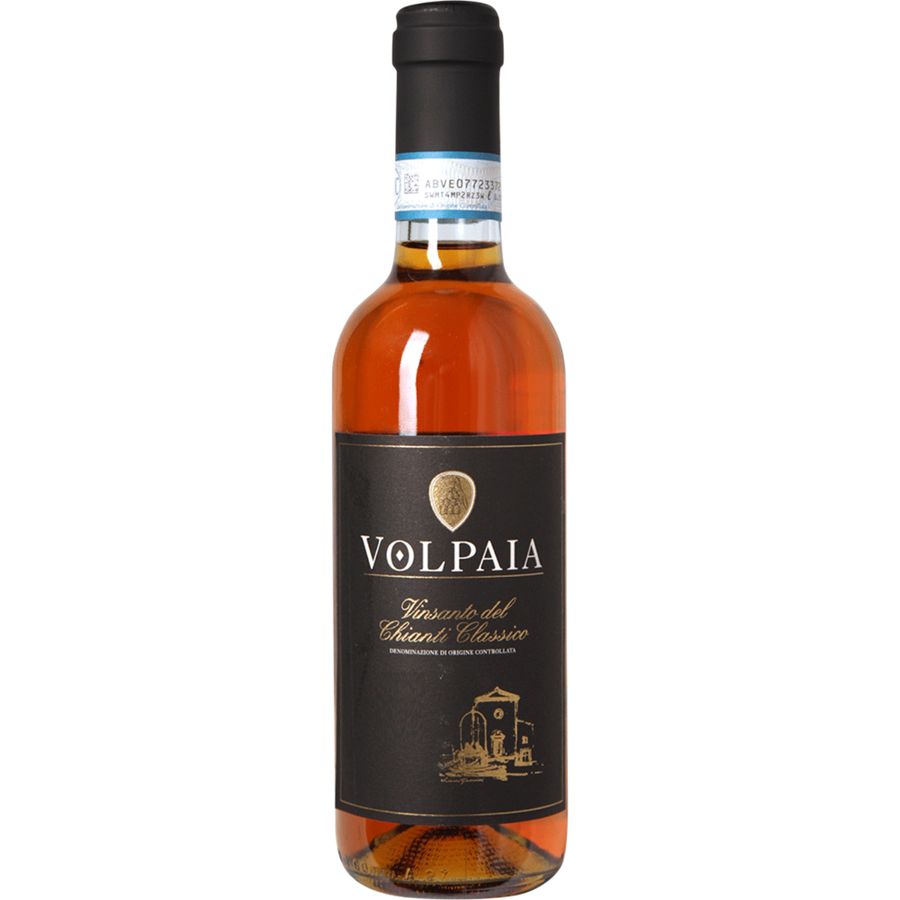
Late-harvest grapes are simply left on the vine longer than the dry-wine harvest, accumulating sugar through extra ripening. Passito wines take this further: the grapes are picked, then dried on mats or hung in lofts for weeks, losing moisture and concentrating their juice. Italian Vin Santo and Recioto della Valpolicella are the classic examples. The Romans were drinking passito wines two thousand years ago, and the method has barely changed.
The world's great dessert wines come from a small number of specific places where geography, grapes, and tradition converged. Here's how I think about them, starting with the two regions I know best on the ground.
Sauternes is the global benchmark for botrytized wine. It's a tiny appellation south of Bordeaux where the cool Ciron River meets the warmer Garonne and creates the morning fog that triggers noble rot almost every year. Château d'Yquem sits at the top of the hierarchy, but the more interesting story for buyers is the second-label tier. Classified estates have been releasing second wines (Castelnau de Suduiraut, Petit Guiraud, Carmes de Rieussec) from younger vines or earlier-harvested batches, and many of them deliver real Sauternes character at a quarter of the grand vin price. These are wines designed to be drunk young, which I actually prefer. You get the freshness, the lift, the obvious botrytis character, without waiting 20 years.
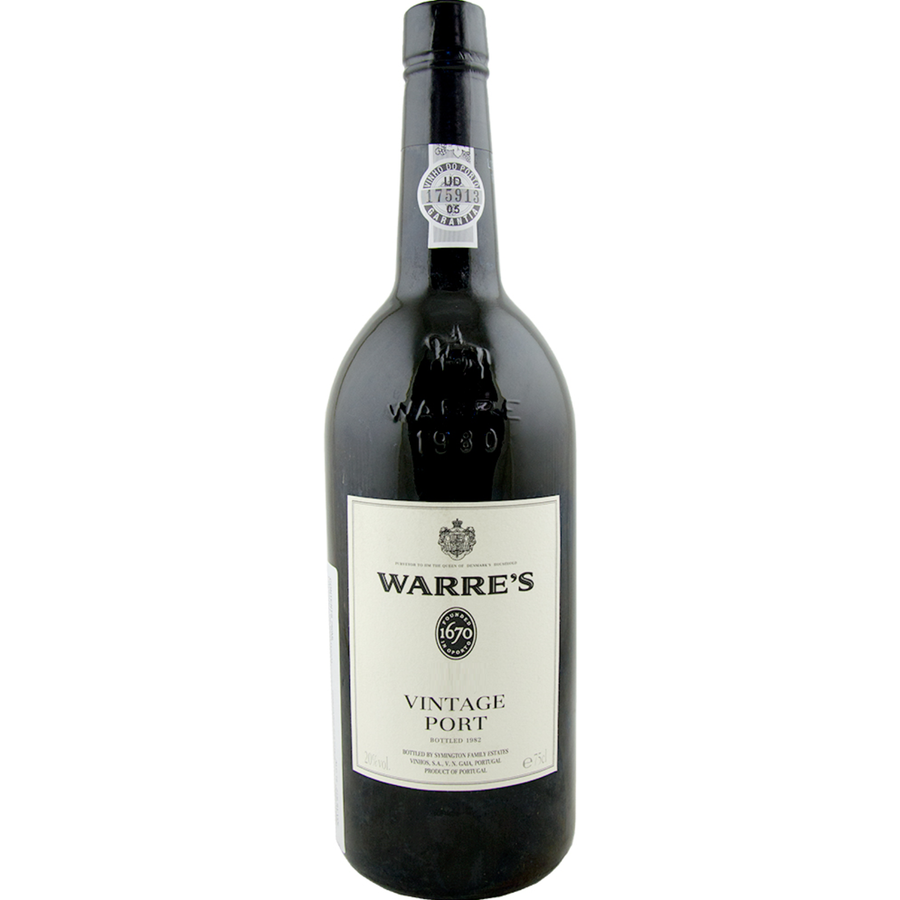
The Douro Valley in northern Portugal is one of the most dramatic wine regions in the world: vineyards terraced into steep schist hillsides that look like they shouldn't be farmable. Most of what reaches the US market comes from the big houses (Taylor, Graham's, Fonseca, Dow), which all produce excellent wines. The more interesting tier for me is the small grower-producer category. Wine & Soul, founded by Jorge Borges and Sandra Tavares in 2001, is the producer I keep coming back to. Their Vintage Ports use lower residual sugar than the norm (around 80 grams per liter versus the typical 100+), which means the wine drinks drier and more food-friendly than a traditional house style.
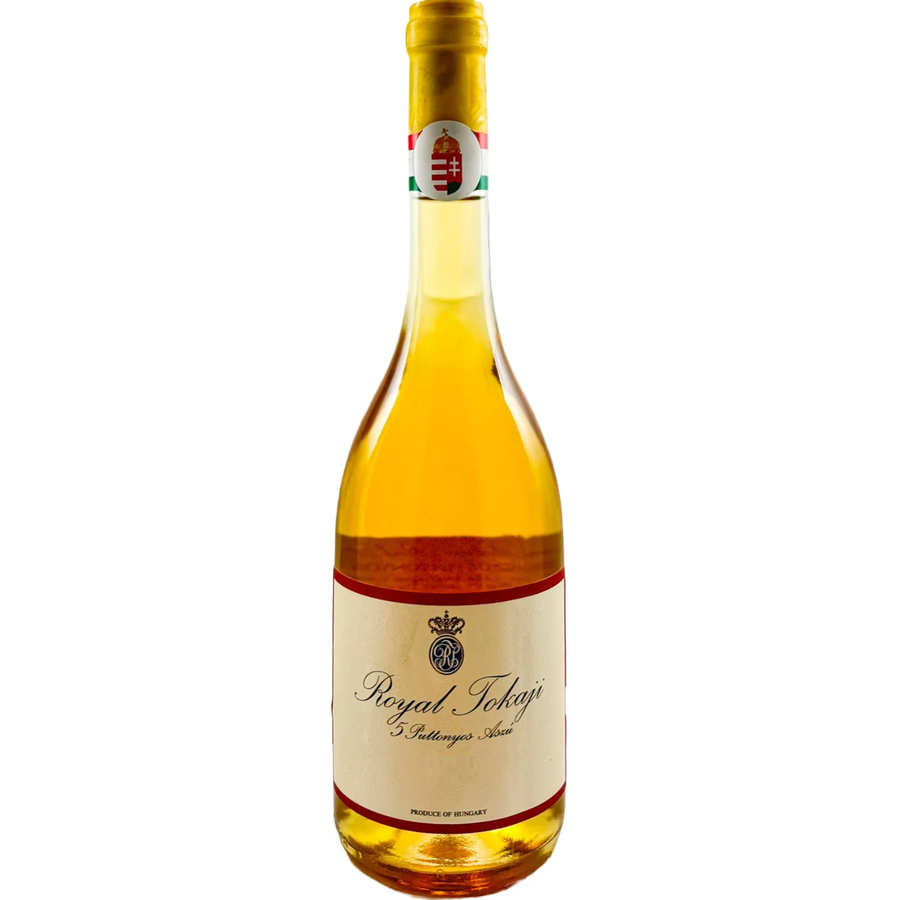
The other great botrytis region, and arguably the most ancient. Tokaji Aszú is graded by puttonyos (standardized to 5 or 6 for export), which corresponds to sweetness level. A 5 Puttonyos is roughly comparable in sweetness to Sauternes but with a higher acid backbone and more orange-peel character. Tokaj punches well above its market share. Most Americans have heard of it without ever having tasted it.
The most underrated category in this entire guide. The island sits 600 miles off the coast of Africa, and its wines are unlike anything else. The four classic styles run from bone-dry (Sercial) to medium-dry (Verdelho) to medium-sweet (Bual) to lusciously sweet (Malmsey), all carrying the signature nutty, oxidative, savory character that the canteiro aging process produces. A 10-year Bual is one of the great-value sophisticated wines in the global market right now.
German late-harvest and botrytized Rieslings (Spätlese, Auslese, Beerenauslese, Trockenbeerenauslese) are the freshest, most acid-driven sweet wines in the world. Even at the BA and TBA tiers, the acidity keeps everything from feeling heavy. These wines age beautifully and are dramatically undervalued in the US market relative to Bordeaux.
Piemonte gives us Moscato d'Asti and Brachetto d'Acqui, the joyful frizzante styles. The Veneto and Tuscany give us Recioto and Vin Santo, both made from dried grapes. Italian dessert wines are family-table wines, designed to close a long meal alongside biscotti, hard cheese, or simply conversation.
Pedro Ximénez (PX) Sherry is the most concentrated, syrupy expression of sweet wine on the market. Made from grapes dried in the Andalusian sun until they're nearly raisins, then fortified and aged in solera. PX is not a beginner wine. It's intense and polarizing, but a small pour over vanilla ice cream is one of the great simple pleasures in wine.

Five things I tell customers when they're buying dessert wine for the first time, or when they want to take a step up from where they are.
I've sold dessert wine across every tier from $15 entry bottles to four-figure rarities. Here's the honest breakdown of what your money buys at each level.
This is where dessert wine delivers some of the best value in all of wine, and most American buyers don't realize it because they underbuy the category overall. At $15-25, you get freshness, obvious fruit, easy sweetness, and immediate charm. Moscato d'Asti, Brachetto d'Acqui, basic Ruby Port, entry-level Sauternes, LBV Port, and simple late-harvest Riesling all live here. A great $22 Moscato d'Asti creates more joy at a dinner party than many wines that cost five times as much. What you don't get yet is profound complexity, long finishes, or tertiary development. At this level, sweetness is often the main event. That's fine. Buy joyfully here.
This is the sweet spot for dessert wine buyers who want more than a fun bottle. Mid-tier is where you start getting layered aromatics, better acidity, longer finishes, more site expression, and the kind of balance that makes you sit up. Good Tokaji, grower Sauternes, aged LBV or Vintage Character Port, quality 10-year Madeira, German Auslese, serious Recioto, and better Vin Santo all live here. This is where most wine lovers realize that sweet wine can be elegant. You start noticing the tension between sweet and savory, between richness and lift, between oxidation and freshness. For most drinkers, this tier delivers 80-90% of the emotional experience of elite bottles.
At the premium tier, you're paying for rarity, labor, ageability, vineyard pedigree, old vintages, and what I'd call emotional depth. Top Sauternes, mature Tokaji Aszú, Vintage Port, old Madeira, Riesling BA and TBA, elite PX, and historic soleras all live here. The difference at this tier is not just "more flavor." It's more dimensionality, changing aromas across hours, extraordinary persistence, textural sophistication, and a sense that the wine keeps unfolding. A great old Madeira can feel almost endless. But this is also where diminishing returns become real for casual drinkers. Someone without experience may not enjoy a $150 Tokaji three times more than a $45 one. Buy premium for the occasion, not the bottle.
Honestly? The $30-45 supermarket "luxury dessert wines." That awkward middle tier is full of overoaked late-harvest Chardonnay, syrupy anonymous sweet reds, manipulated "reserve" Ports, and prestige packaging without real complexity. Dessert wine suffers more from fake luxury signaling than most categories, because consumers don't know what benchmarks to expect. My rule: either stay inexpensive and joyful, or move decisively into authentic mid-tier producers. A carefully chosen $35 bottle from a grower can absolutely embarrass a mediocre $90 bottle with a fancy label.

Most dessert wine pairings fail for the same reason: people pair the wine with the dessert. The actual rule is simpler. The wine should match the moment, the texture should mirror or contrast the food, and the food should never be sweeter than the wine.
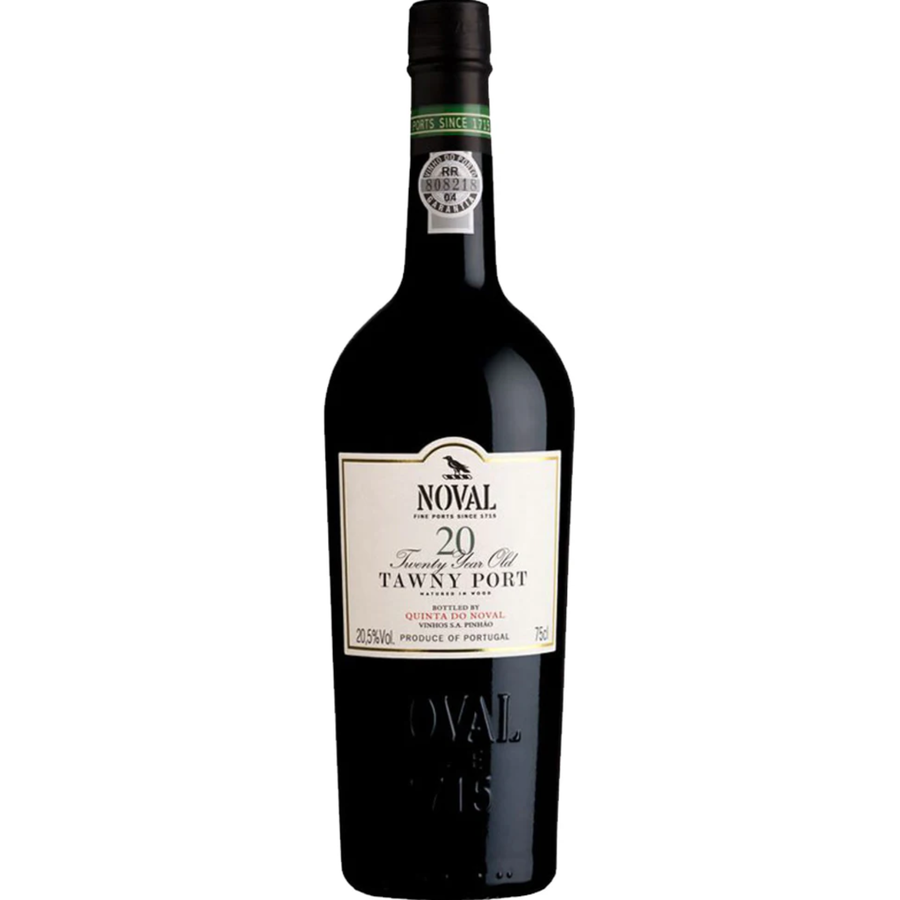
20-year Tawny Port + aged Parmigiano Reggiano + toasted Marcona almonds. No dessert. No chocolate. No cake. This is the pairing I serve when I want to convert someone to dessert wine, and it works almost every time.
Here's why it works. The nutty oxidation in the Tawny mirrors the crystalline, savory depth of the aged Parmesan. The salt in the cheese sharpens the wine's caramel and dried fig notes. The almonds bridge both textures together. The age of the cheese matters: 24 months is good, 36 months or older is magical. Serve the Port slightly cool, not warm. What you get is a combination of butterscotch, roasted nuts, umami, dried fruit, and salt that doesn't exist in any single ingredient on the plate.
Temperature matters more than glass shape. Sauternes and Tokaji: 50-55°F. Port and Madeira: 55-65°F. Moscato d'Asti: 45-50°F. Use a small white wine glass and pour 2-3 ounces. Once opened, botrytized wines keep 3-7 days in the fridge with a stopper. Fortified wines keep weeks to months, with Madeira being essentially immortal once open.
I built this collection around a thesis: that the American market underbuys serious sweet wine, and that the producers worth stocking are not the ones with the biggest marketing budgets. They're the ones with the deepest commitment to the craft.
That's why you'll find Wine & Soul from the Douro in this collection. Jorge Borges and Sandra Tavares started the project in 2001 in a small Port lodge in Vale de Mendiz, and over 25 years they've become one of the most respected small-grower producers in the entire Douro Valley. Their Vintage Ports have a leaner, more food-friendly profile than the big-house style, with lower residual sugar and more transparent fruit. They're the kind of bottles a serious wine buyer should know and most American buyers haven't met yet.
That's why you'll find second-label Sauternes here instead of just the famous grand vins. Wines like Castelnau de Suduiraut deliver real classified-growth pedigree at a price point where you can actually open the bottle on a Tuesday. They're designed to be drunk young, which fits how I think dessert wine should live in a household: as an everyday pleasure, not a museum piece waiting for a special occasion that never comes.
And that's why you'll find serious Madeira here. Madeira is the most underrated category in fine wine right now, and the US market barely engages with it. A 10-year Bual or Malmsey from a real producer is one of the most sophisticated wines you can buy at any price, and I want our customers to have access to it without flying to the island.
I don't stock Vintage Port, Sauternes, Tokaji, Madeira, and Moscato d'Asti because they round out a category. I stock them because each one earns its place. If a producer doesn't add something specific to the collection, they don't make the cut. Browse the full selection as a wine gift, or discover it bottle by bottle through the wine club.
Three terms get used almost interchangeably in American wine shops, and they shouldn't be. Here's how I help customers choose between them.
You want elegance and complexity. You're serving foie gras or aged cheese. You want a wine that ages for decades. You appreciate aromatic complexity (saffron, honey, apricot) over weight.
You want warmth and intensity. The weather is cold or the occasion is contemplative. You're serving aged cheese, walnuts, or dark chocolate. You like the savory, nutty side of wine more than the fresh fruit side.
You want something quieter and more atmospheric. You're closing an Italian meal with biscotti or pecorino. You want fresh stone fruit and floral notes rather than dried fig and caramel.
You want fun and refreshment over seriousness. You're at a brunch, a casual celebration, or with someone who claims not to like sweet wine. You want low alcohol and easy charm.
When a customer can't decide, I ask one question: "Are you choosing the wine for a moment of refreshment or a moment of contemplation?" Refreshment leads to Moscato, German Riesling, or a young second-label Sauternes. Contemplation leads to Vintage Port, old Madeira, or mature Tokaji. The answer tells you everything.
This is the most common question I get, and the answer is usually not what people expect. When someone says they don't like sweet wine, they almost always mean they don't like wines that feel heavy and sugary. Those are not the same thing. If you like freshness, try Moscato d'Asti or a German Riesling Auslese. If you like whiskey or old cocktails, try Madeira. If you like rich red wine, try Vintage Port. If you like complex white Burgundy, try Sauternes or Tokaji. The best dessert wines don't drink sweet. They drink balanced.
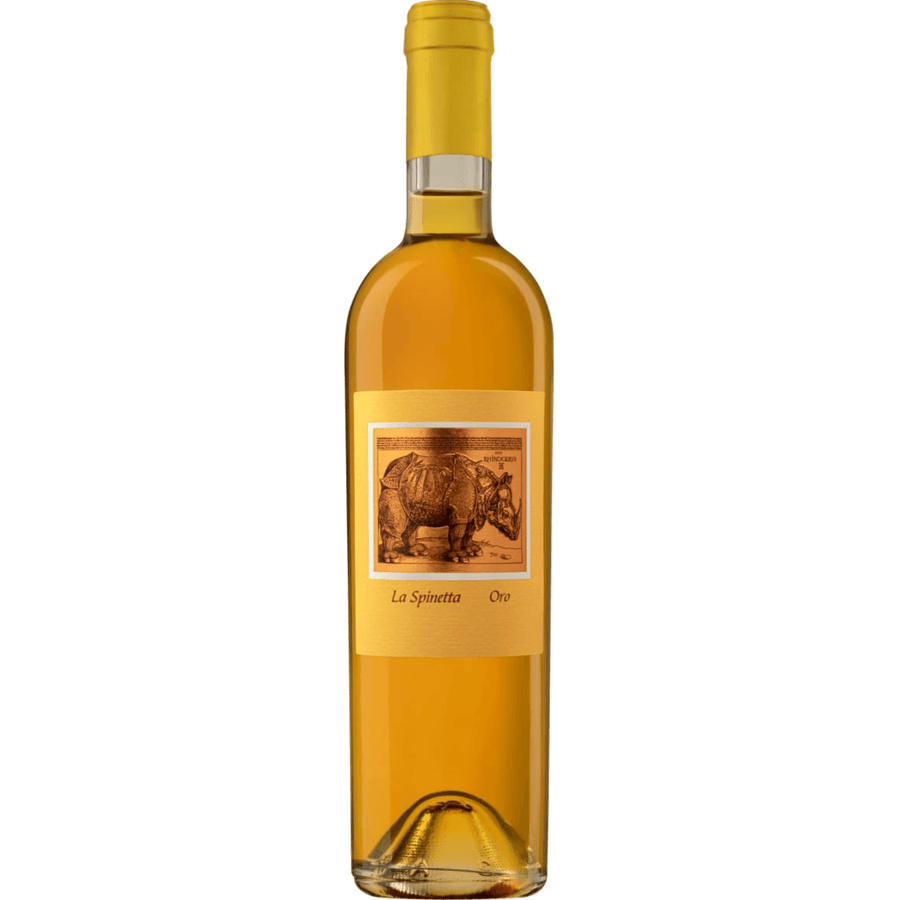
Moscato d'Asti is the easiest win at this price. A good one (Saracco, Vietti, La Spinetta) delivers genuine craftsmanship for around $18-22. After that, look for second-label Sauternes when they go on sale, basic Ruby Port from a real Port house, or simple late-harvest Riesling from the Mosel.
Brachetto d'Acqui is my first answer: a slightly sparkling red from Piemonte with strawberry and rose petal notes, naturally low in alcohol, visually stunning in the glass. Moscato d'Asti is the second choice. For a more serious romantic dinner, a young Sauternes with foie gras still works after 200 years for a reason.
Three categories worth knowing. Moscato d'Asti from Piemonte for fresh and joyful. Brachetto d'Acqui for romantic and lightly sparkling. Vin Santo from Tuscany and Recioto della Valpolicella from the Veneto for the serious, family-table tradition.
Coteaux du Layon from the Loire Valley is excellent and dramatically underpriced. Jurançon from the southwest is one of the great hidden values in French wine. And don't overlook Banyuls, the fortified red from Roussillon, which is one of the best wines in the world with dark chocolate.
The great ones are exceptional. Vintage Port and Tawny Port are red dessert wines, and both belong in any serious cellar. Recioto della Valpolicella is a red passito from the Veneto, structured like a serious red wine but sweet. The cheap supermarket "sweet red blend" category is mostly forgettable, but serious red dessert wines are among the most rewarding bottles in the entire category.
Botrytized wines like Sauternes and Tokaji keep 3-7 days in the fridge with a stopper. Port lasts 2-4 weeks. Madeira stays good for months or even years once opened. Moscato d'Asti should be finished within 2-3 days. PX Sherry keeps several weeks.
Many age remarkably well. Sauternes ages 30-50 years. Vintage Port needs 15-20 years to come into its own. Tokaji Aszú at the higher puttonyos levels ages for decades. German Auslese and BA age 30+ years. Madeira is essentially immortal. Moscato d'Asti should be drunk young. For a dessert wine cellar, focus on Sauternes, Vintage Port, and Madeira.


 Bottle
 500ml
500ml

 Case (6)





What Our Customers Say