

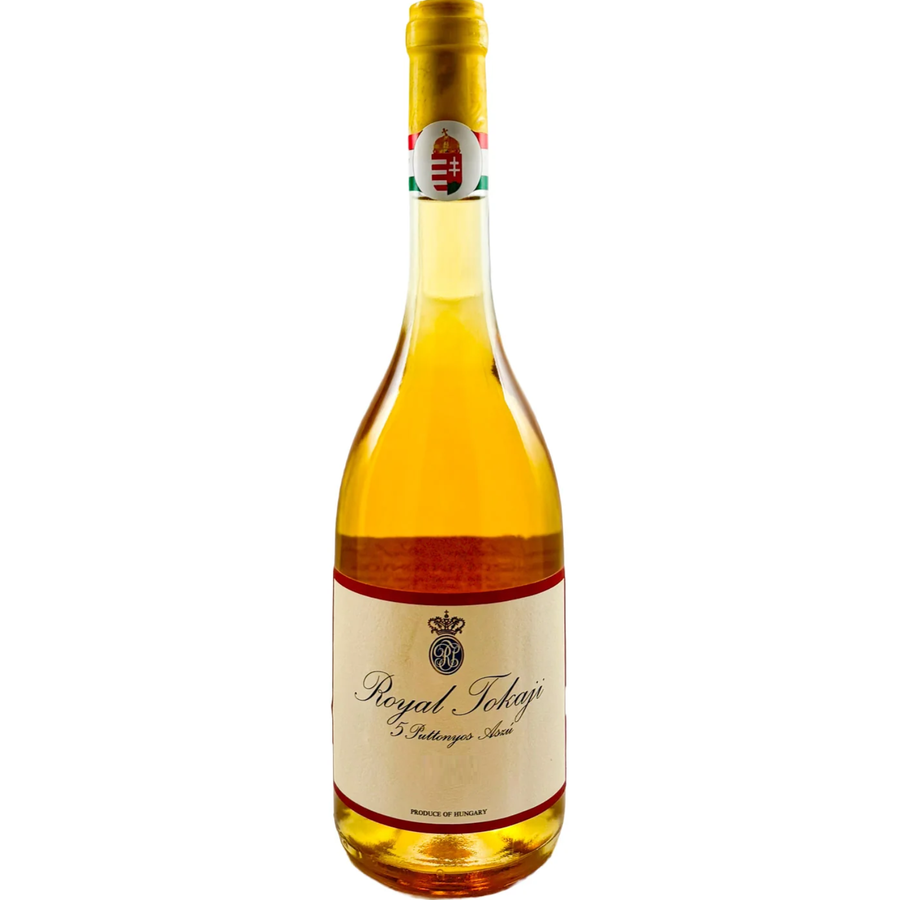

 Bottle
 500ml


 Case (6)


Dry Furmint
Fresh and structured
- Citrus
- Green apple
- Pear
Closer to dry Riesling than dessert wine
Dry → Syrupy: 1/5

3 products
Google reviews
Real reviews from people who ordered from Mr.D Wine Merchant.
From our cellar to your door
Great wine deserves a great journey. From selection to your doorstep, we obsess over the details that matter because a bottle is only as good as how it's treated before you open it.
Selection
Tasted and approved by experts who love wine. Not a wall of labels. Just a selection built around styles, pairings, and the moments you actually buy wine for.
Storage
We handle bottles gently and keep them stored carefully. Simple goal: keep your wine in great shape until delivery day.
Delivery
Your bottles are protected for transit, and you can follow the shipment end to end, with responsive support if you need anything.
Content reflects verified standards for labeling, alcohol levels, and serving practices.
Tokaji · Buyer's guide
What puttonyos means, how Aszú is made, where dry Furmint fits in, what to spend at each level and what to pair it with, so you can pick a Tokaji wine with confidence.
By Leopoldo "Leo" Monterrey15 min read
The short version, before the details.
Tokaji is a wine region in northeast Hungary best known for Aszú, a sweet wine made from grapes affected by botrytis, or noble rot, though the same region also makes dry wine from the same grapes. Vineyard classification in Tokaj began in 1730, and the region became a UNESCO World Heritage Site in 2002.
Some sources call Tokaj the world's first classified wine region, but that claim is disputed: Chianti had already marked out its own zone by 1716. What's settled is that Tokaj's classification dates to 1730, and today the region covers 28 named villages in northeast Hungary, between the Zemplén hills and the Bodrog and Tisza rivers.
Six grapes can legally go into Tokaji: Furmint, which makes up about 60% of plantings, Hárslevelű at roughly 25%, Yellow Muscat, and three rarer grapes, Kabar, Kövérszőlő and Zéta. Furmint carries high acidity and thin skin that takes botrytis easily, which is why it drives both the sweet Aszú and the dry wines in this guide.
My first great Tokaji was an Eszencia, probably back in 2000. I didn't know at the time that Eszencia sits above the puttonyos scale entirely. It's closer to a nectar than a wine.
Leo, Founder & Curator
Region
Tokaj, northeast Hungary
Main grape
Furmint
Aszú sugar
120 g/L minimum
Aszú aging
18 months in oak
Classification begins
Vineyard classification starts in Tokaj, among the earliest in the wine world.
Royal Tokaji founded
A group that included wine writer Hugh Johnson founds Royal Tokaji in Mád.
Vega Sicilia arrives
Vega Sicilia buys a Tokaj estate and renames it Oremus.
UNESCO heritage
The Tokaj wine region becomes a UNESCO World Heritage Site.
120 g/L becomes law
Every Aszú harvest must reach at least 120 g/L of residual sugar.
Tokaji Aszú tastes of dried apricot, orange marmalade, honey and saffron, with acidity high enough that it never feels cloying; dry Furmint is closer to a mineral, citrus-driven white. The common thread across every style is that acidity, which is what keeps a very sweet Aszú feeling fresh rather than heavy.
Furmint ripens with some of the highest natural acidity of any white grape, and botrytis concentrates that acidity right alongside the sugar. That balance is why a 120 g/L Aszú can taste bright rather than syrupy, and why Tokaji ages for decades without losing its shape.
Dry Furmint shows citrus, green apple, pear and sometimes white peach, often with a mineral or faintly saline edge. It is fermented fully dry, with none of the botrytis character of Aszú, and it is the style most people have never heard of.
Dry Furmint
Fresh and structured
Closer to dry Riesling than dessert wine
Dry → Syrupy: 1/5
Late harvest
At least 45 g/L sugar
Dry → Syrupy: 3/5
Aszú 5 puttonyos
At least 120 g/L sugar
Dry → Syrupy: 4/5
Aszú 6 puttonyos
At least 150 g/L sugar
Dry → Syrupy: 4/5
Eszencia
At least 450 g/L sugar
The top of the Tokaji pyramid
Dry → Syrupy: 5/5
This is Aszú, intensely sweet and still fresh. A dry Furmint from the same region is a different wine: sweetness 1, body closer to 3.
Both are botrytised sweet wines, but Tokaji is Furmint-based and measured in g/L of sugar, while Sauternes blends Sémillon, Sauvignon Blanc and Muscadelle with no equivalent sugar scale.
Aszú needs at least 120 g/L of sugar; Eszencia needs at least 450 g/L and barely ferments, which makes it rare and far more expensive.
Tokaji's concentration comes from botrytis shriveling grapes on the vine; ice wine comes from healthy, botrytis-free grapes that freeze naturally and get pressed while frozen.
Explore Buy Dessert Wine Online: Sweet Wines and Half Bottles to Gift
Aszú needs at least 120 g/L of sugar and 18 months in oak; late harvest only needs 45 g/L and no required aging, so it is lighter and more accessible.
Leo's insight
One of the first things I explain to customers about Tokaji is that not all Tokaji is sweet. Furmint, one of its most important grapes, makes beautiful dry white wines as well as some of the world's most extraordinary sweet ones, and both sit on my own shelf at home.
In my own cellar, Mandolás is the Tokaji I'd open with dinner. Aszú is the Tokaji I'd open to make dinner memorable. Neither is better in my mind. They're different expressions of one of the world's most fascinating wines.
Leo, Founder & Curator
Tokaji Aszú is made from grapes picked berry by berry once botrytis has shriveled them and concentrated their sugar. Since the 2013 harvest every Aszú must reach at least 120 g/L of residual sugar, and it has to age at least 18 months in oak before release.
Pickers walk the rows several times each autumn, selecting only the berries that noble rot has shriveled into something closer to raisins than grapes. It is slow, expensive work, and it is the reason Aszú costs more than an ordinary dessert wine.
Puttonyos once referred to the wooden hods of aszú berries added to a base wine; today it mostly communicates a level of concentration. A wine labeled Aszú needs at least 120 g/L of sugar, and a "6 puttonyos" label needs at least 150 g/L, though printing the number on the label is optional.
Today, puttonyos is mainly a way to communicate a level of concentration. Five puttonyos is already a seriously rich sweet wine. But more sugar doesn't automatically mean better wine. The important thing is how that sweetness is balanced by acidity.
Leo, Founder & Curator
For someone discovering Tokaji, I'd start with a 5 puttonyos bottle: you get the dried apricot, honey, citrus peel and acidity that make Aszú special without spending twice as much. I'd move up to 6 puttonyos for someone who already loves Tokaji, wants a special gift, or is curious about a specific vineyard. My rule: five puttonyos is already a great wine, and six is for a particular experience, not a bigger number on the label.
| Style | Minimum sugar | Aging | Bottle |
|---|---|---|---|
| Dry Szamorodni | Up to 9 g/L | At least 6 months in oak | Mostly 500 ml |
| Sweet Szamorodni | At least 45 g/L | At least 6 months in oak | Mostly 500 ml |
| Late harvest | At least 45 g/L | Not required | Mostly 500 ml |
| Aszú | At least 120 g/L | At least 18 months in oak | 500 or 375 ml |
| Aszú 6 puttonyos | At least 150 g/L | At least 18 months in oak | 500 or 375 ml |
| Eszencia | At least 450 g/L | Not required | 500 or 375 ml |
Tokaji covers more ground than most people expect, from bone-dry Furmint to Eszencia, a nectar so concentrated it barely ferments. We go style by style below, and we're upfront about which ones we don't currently have in stock.
Aszú is the wine most people mean when they say Tokaji: at least 120 g/L of sugar, 18 months in oak, and the dried apricot and honey character this region is known for.
Eszencia needs at least 450 g/L of sugar and tops out around 6% alcohol, since the sugar is so concentrated that fermentation barely starts. It is the rarest, most expensive style, and we don't currently carry a bottle: our last one sold out.
Szamorodni means "as it comes": healthy and botrytised grapes are picked and pressed together, unsorted, which gives either a dry wine (up to 9 g/L) or a sweet one (at least 45 g/L), both aged at least 6 months in oak. We don't currently have a Szamorodni in stock, but it is worth knowing if you see one elsewhere.
Late harvest needs only 45 g/L of sugar and no required aging, which makes it the easiest, most affordable way into sweet Tokaji. It's less concentrated than Aszú, with honey and apricot but a lighter touch.
Dry Furmint is fermented fully dry, with the same high acidity and mineral edge that makes Aszú age so well, but none of the sugar.
As in Burgundy, some producers bottle a single named vineyard, or dűlő, instead of a regional blend. Royal Tokaji's Szent Tamás and Oremus's Mandolás are both single-vineyard wines, built around one specific site rather than a house style.
Oremus's dry Furmint from Vega Sicilia's Tokaj estate. Citrus, green apple, pear and a mineral edge, with none of Aszú's sugar.
$ 61.60
Royal Tokaji Szent Tamás Aszú 6 Puttonyos, 2018, 500 ml. A single named vineyard at 150+ g/L, marmalade, saffron and ginger.
$ 131.94
Related collections
LM
For Tokaji Aszú, I keep my serving temperature around 48 to 54°F. I don't want it ice-cold, because that can hide its complexity.
I pour into a small white wine glass rather than a tiny cordial glass, and my pours are modest, around two ounces.
Dry Furmint is different. I drop my temperature to around 46 to 52°F in a regular white wine glass, and I'd generally finish it within three to five days.
Once opened, I refrigerate the bottle right away and keep it tightly closed. In my experience, a good Aszú can often remain enjoyable for a couple of weeks, sometimes longer.
I wouldn't automatically steer my recommendation to the $132 bottle over the $60 bottle. For many customers, five puttonyos is exactly what they need.
I think my favorite December gift is Tokaji, because it's unexpected. Most people receive Champagne or a bottle of red wine during the holidays. Far fewer receive a great Hungarian sweet wine.
Tips by Leo, Founder & Curator
Good Tokaji starts under $50, the sweet spot for Aszú sits between $60 and $90, and above $100 you're often paying for a single vineyard or an older vintage. This collection runs from a $45.50 late harvest to a $131.94 single-vineyard Aszú, so every level is covered.
Royal Tokaji was founded in Mád in 1990 by a group that included the wine writer Hugh Johnson, part of the wave of producers who rebuilt the region after communism. Vega Sicilia bought its own Tokaj estate in 1993 and renamed it Oremus, bringing one of Spain's most respected names into Hungary.
Oremus Late Harvest and Oremus Mandolás, a dry Furmint, both sit under $70, alongside the Royal Tokaji 5 Puttonyos Red Label at $60. This is where I'd point someone trying Tokaji for the first time.
Above $100, Royal Tokaji's Szent Tamás and Oremus's own Aszú 5 Puttonyos move from a regional blend to a single named vineyard, and Tokaj-Hétszőlő's 2010 is the oldest vintage currently in the collection.
If the gift is about discovery, I'd choose the Red Label or Mandolás. If it's about recognition, for someone who already loves Tokaji, I'd choose Szent Tamás or a single-vineyard Oremus.
Late harvest and dry Furmint, an easy, affordable way into the region.
5 puttonyos Aszú, the dried apricot and honey style Tokaji is known for.
Named vineyards and 6 puttonyos bottles, built around one specific site.
Older vintages and single vineyards worth holding for a decade or more.
Try itCellar it
Oremus Late Harvest, 2023, 500 ml. Honey and apricot at 45 g/L, the lightest step into sweet Tokaji.
$ 45.50
Royal Tokaji 5 Puttonyos Red Label, 500 ml. Dried apricot, honey and citrus peel, the classic entry into Aszú.
$ 60.00
Disznókő Aszú 5 Puttonyos, 2013, 500 ml. The first vintage made under the current 120 g/L rule.
$ 63.00
Tokaj-Hétszőlő Aszú 5 Puttonyos, 2010, 500 ml. The oldest vintage currently in this collection.
$ 84.99
Oremus Aszú 5 Puttonyos, 2017, 500 ml, from $114.40. Vega Sicilia's take on classic Aszú.
From$ 114.40
Dry and mineral, lightly sweet, honeyed, or very rich?
You want Tokaji without the sugar
You want sweet Tokaji without committing to full Aszú
You're discovering Aszú for the first time
You already love Tokaji or want a special gift
| Dry start Oremus Tokaji Mandolas | First sweet Tokaji Oremus Tokaji Late Harvest | Classic Aszú NV | Royal Tokaji 5 Puttonyos Red Label | Tokaj 500ml | Single vineyard 2018 | Royal Tokaji Szt. Tamas Aszu 6 Puttonyos | Tokaj 500ml | |
|---|---|---|---|---|
| Style | Dry and mineral | Lightly sweet | Honeyed | Very rich |
| Think of it as | Dry Riesling or Chablis, not dessert | A gentle first taste of botrytis | The reference point for Tokaji Aszú | A specific vineyard, not just more sugar |
| Choose it if | You want Tokaji without the sugar | You want sweet Tokaji without committing to full Aszú | You're discovering Aszú for the first time | You already love Tokaji or want a special gift |
| Add to cart | $ 61.60 | $ 45.50 | $ 60.00 | $ 131.94 |
Tokaji Aszú pairs best with rich, intense dishes like foie gras and blue cheese, because its acidity balances the sugar instead of letting it taste merely sweet; dry Furmint works more like a classic dry white, with seafood.
For Tokaji Aszú, I keep my serving temperature around 48 to 54°F. I don't want it ice-cold, because that can hide its complexity. I pour into a small white wine glass rather than a tiny cordial glass, and I keep my pours modest, around two ounces. Dry Furmint is different: I drop my temperature to around 46 to 52°F, in a regular white wine glass.
Once opened, I refrigerate an Aszú right away and keep it tightly closed; in my experience a good one can often remain enjoyable for a couple of weeks, sometimes longer, though I'd always check its freshness. Dry Furmint is different: I keep my own habit of finishing it within three to five days, refrigerated.
Pan-seared sea bass
Dry Furmint (Mandolás)
Crispy skin, lemon butter and roasted fennel let the wine's acidity cut through the butter.
Foie gras with toasted brioche
Aszú 6 puttonyos
A classic match: the wine's concentration stands up to foie gras without either one overwhelming the other.
Blue cheese with toasted walnuts
Tokaji Aszú
Salt and nuts meet honey and dried apricot, rather than an overly sweet dessert.
Apricot and almond tart
Aszú 5 puttonyos
A tart that isn't overly sweet lets the wine's own apricot and honey character lead.
Temperature
48–54°F (9–12°C)
Glass
Small white wine glass
Decant
Not needed
Cellar
Aszú 10 to 50+ years; Eszencia practically indefinite
Tokaji is one of the harder styles to find well in the US, and we bring in four producers at once: Royal Tokaji, Oremus, Disznókő and Tokaj-Hétszőlő, in vintages from 2010 to 2023. We carry both the sweet Aszú most people expect and the dry Furmint almost nobody asks for by name. If you're buying Tokaji as a gift, we cover the range from a $45.50 first bottle to a $131.94 single vineyard.
How we choose
Royal Tokaji, Oremus, Disznókő and Tokaj-Hétszőlő, from 2010 to 2023.
Gifting
Most people give Champagne or red wine. Far fewer give a great Hungarian sweet wine.
Hard to find
Dry and sweet Tokaji from four producers, in one place.
Tokaji is a wine from Hungary's Tokaj region, best known for Aszú, a sweet wine made from botrytis-affected grapes. The same region also makes dry Furmint. Vineyard classification in Tokaj began in 1730, and the region is a UNESCO World Heritage Site.
Usually, but not always. Aszú, late harvest and Eszencia are sweet, with Aszú needing at least 120 g/L of residual sugar. Dry Furmint, made from the same grapes, is fully dry and shows citrus, green apple and pear.
Aszú is made from grapes affected by botrytis, or noble rot, picked berry by berry once the fungus has shriveled and concentrated their sugar. Since 2013 every Aszú needs at least 120 g/L of residual sugar and at least 18 months in oak before release.
Tokaji Aszú pairs well with foie gras, blue cheese and a not-too-sweet apricot tart, since its acidity balances rich or salty food. Dry Furmint works more like a classic dry white, good with pan-seared fish or shellfish.
Puttonyos once referred to the wooden hods of botrytised berries added to a base wine. Today it mainly signals concentration: an Aszú needs at least 120 g/L of sugar, and a 6 puttonyos wine needs at least 150 g/L, though the number on the label is optional.
An opened Aszú, refrigerated and tightly closed, often stays enjoyable for a couple of weeks, sometimes longer, though it's worth checking its freshness. Dry Furmint is more fragile: plan to finish it within three to five days, refrigerated.
Shop the guide


